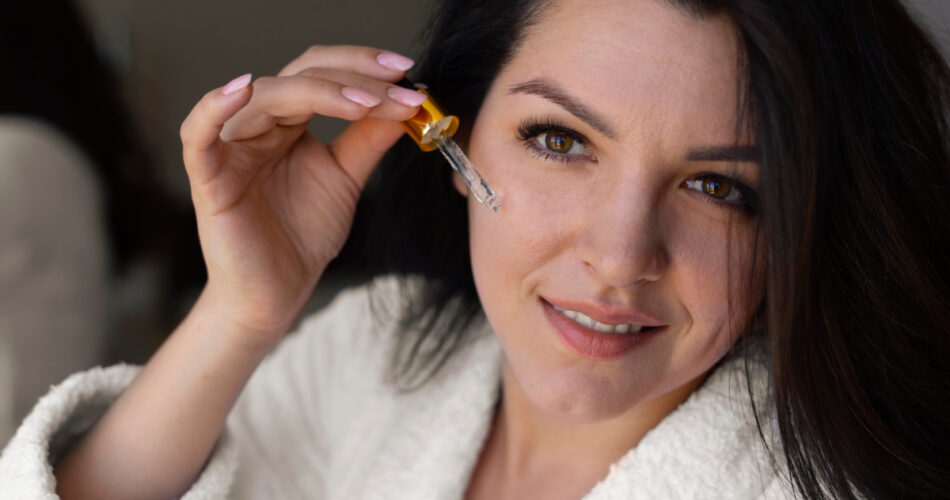
Pregnancy and breastfeeding-safe anti-aging skincare: retinoid-free creams and serums with peptides, vitamin C, and hyaluronic acid.
Navigating pregnancy-safe skincare can be complicated, but as a medical doctor with a focus on cosmetic ingredient safety, I’ve simplified the search for you. Visit my Skincare During Pregnancy: Begin Here guide for a full index of ingredient safety reviews, pregnancy and IVF-safe recommendations, and doctor-vetted product guides.
Coming to an interesting tidbit: the CDC (Centers for Disease Control and Prevention) has, for the first time, reported a higher birth rate among women over 40 (4.1%) than among teenagers (4.0%). As someone who contributed to this statistic, finding pregnancy-safe anti-aging skincare products was something I struggled with, and this post is bringing back all the memories of countless hours of sifting online for one.
Yes, there are pregnancy-safe anti-aging ingredients, and these are:
Moisturizers (specifically pregnancy-safe moisturizers)
Sunscreens (physical: titanium dioxide, zinc oxide)
Alpha hydroxy acid, low dose
Hyaluronic acid
Niacinamide
Peptides
Vitamin C
I will link the article for those interested in more details here: Ingredients to use or avoid in anti-aging skincare during pregnancy.
This post offers recommendations for products that combine the above ingredients. For those wanting to incorporate individual ingredients into their pregnancy-safe anti-aging skincare regime, here are the relevant links:
Quick Navigation
Clean and Conscious
What these recommendations avoid
All the items listed here are retinol-free anti-aging products. Retinoids are contraindicated in pregnancy due to reports of fetal malformations.
As always, all my pregnancy recommendations (at the time of writing) are free of:
Parabens, phthalates, triclosan, and benzophenone 3 (also known as oxybenzone). All four are endocrine disruptors. They interfere with the normal functioning of the endocrine system and the reproductive and other biological processes it regulates.
Added artificial fragrance. Unless specified as phthalate-free, artificial fragrances are a rich source of phthalates. They can also be a skin irritant, especially during pregnancy, when skin becomes more sensitive due to hormonal changes.
Formaldehyde and formaldehyde releasers. These have been linked to cancer and are also known skin irritants.
Retinoids. These vitamin A derivatives can cause abnormalities in multiple organ systems.
Always consult your treating doctor before starting any beauty regimen. They are the best people to guide you based on your needs and medical history.
Reminder: Companies frequently change their formulas, and ingredient lists may vary by country. Always check the ingredient list before using any product.
The Picks
Anti-aging creams: pregnancy safe
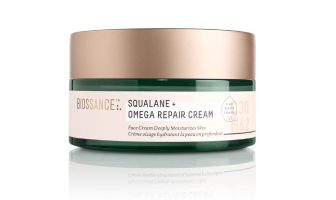
- With squalane, ceramides, and hyaluronic acid
- Ideal for dry, sensitive skin
- Labeled eczema-friendly
- With peptides, ceramides, niacinamide, and hyaluronic acid
- Non-comedogenic
- Suitable for all skin types
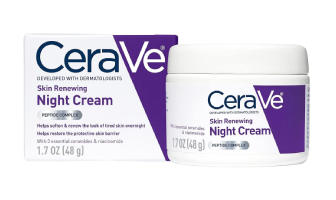
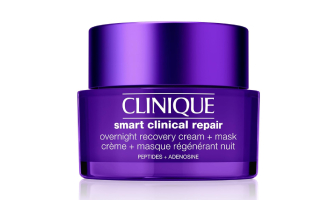
- Dual use as a night cream or mask
- With peptides and hyaluronic acid
- For very dry to dry, combination, and oily skin types
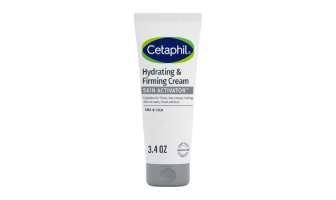
- With mandelic acid (AHA) and cica
- Non-comedogenic
- For all skin types
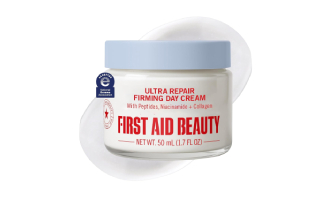
- With glycerin, peptides, niacinamide, and collagen
- Gluten and nano-free
- Cruelty-free, vegan
- For dry, normal, and combination skin
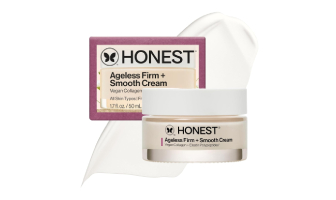
- With polypeptides, hyaluronic acid, collagen, and shea butter
- Mineral oil-free
- Vegan, cruelty-free
- For all skin types
- With peptides, vitamin C, and panthenol
- Lightweight feel
- Gluten-free, vegan, cruelty-free
- For all skin types
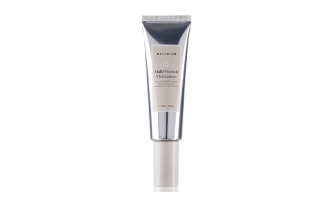
- Lightweight, non-greasy gel cream
- With peptides and hyaluronic acid
- Gluten-free, vegan
- For all skin types
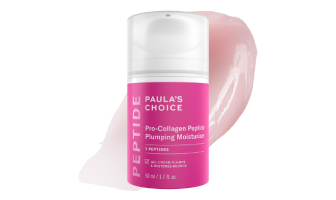
- With ceramides, cholesterol, and fatty acids
- Non-comedogenic
- Lightweight, fast-absorbing texture
- For dry, dehydrated skin
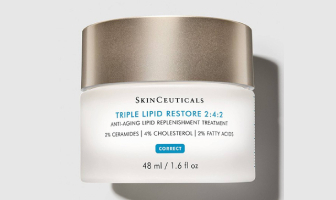
- With peptides and shea butter
- Non-comedogenic
- Vegan
- Best for dry skin
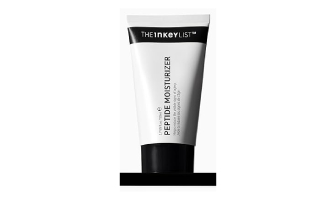
The Picks
Anti-aging serums: pregnancy safe
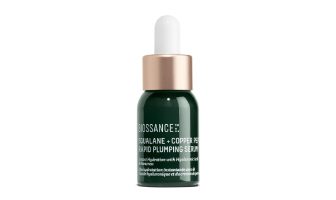
- With copper peptides, hyaluronic acid, and squalane
- Vegan
- For all skin types
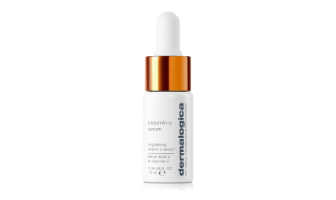
- With vitamin C, lactic acid, and glycerin
- Targets fine lines, hyperpigmentation, and uneven texture
- For all skin types
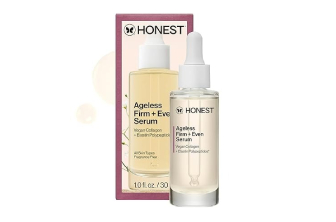
- With polypeptides and hyaluronic acid
- Also has vegan collagen and shea butter
- Mineral oil-free
- Vegan, cruelty-free
- For all skin types
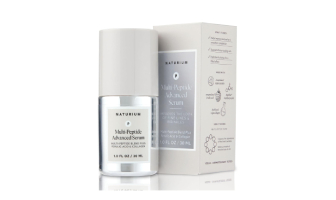
- With copper peptides, ferulic acid, and collagen
- Gluten-free
- Vegan, cruelty-free
- For all skin types
- With peptides, vitamin C, and 2% PHA
- Labeled non-comedogenic
- For all skin types
A combination of 15% ascorbic acid and a PHA can be potentially irritating, so I suggest doing a patch test first and going slow with this one.
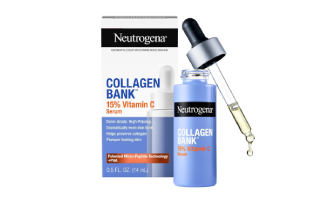
- Collagen-boosting serum
- With peptides
- Gluten-free, vegan, cruelty-free
- For all skin types
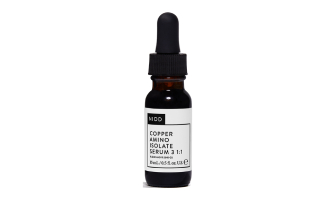
- With lactic acid, peptides, glycerin, niacinamide, and salicylic acid
- For all skin types
With quite a few actives, albeit in low concentrations, there is potential for skin irritation, and patch testing is recommended.
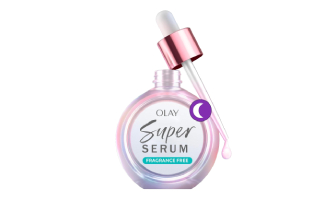
- With vitamin C, peptides, ferulic acid, and Co-Q10
- For dull, uneven skin tone with signs of aging
- Cruelty-free
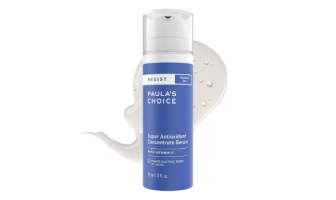
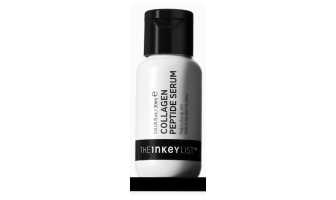
- With peptides, collagen, and hyaluronic acid
- Vegan and cruelty-free
- For all skin types
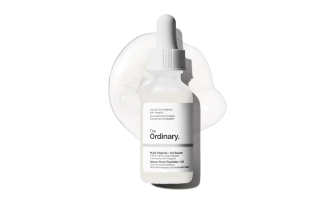
- With peptides and hyaluronic acid
- Water-based
- Gluten-free, vegan, and cruelty-free
- For all skin types
FAQ
Frequently asked questions
Can I use anti-aging skincare while pregnant?
Yes. There are pregnancy-safe anti-aging ingredients, and the creams and serums in this roundup combine them in retinoid-free formulations that are also free of the other ingredients of concern listed above.
Is retinol safe during pregnancy?
No. Retinoids are contraindicated in pregnancy due to reports of fetal malformations, which is why every product in this list is retinoid-free. See the linked retinol safety explainer for the full picture.
Which anti-aging ingredients are pregnancy-safe?
Pregnancy-safe anti-aging ingredients include moisturizers, physical sunscreens (titanium dioxide, zinc oxide), low-dose alpha hydroxy acids, hyaluronic acid, niacinamide, peptides, and vitamin C.
Are these products also safe while breastfeeding?
This guide is curated for both pregnancy and breastfeeding. As always, check the ingredient list before using any product, since formulas change frequently and vary by country, and consult your treating doctor about your specific needs and medical history.
Do I need to patch test anti-aging serums?
It is a good idea with multi-active formulas. For example, a combination of a higher-strength vitamin C with a PHA, or a serum stacking several actives even at low concentrations, can be potentially irritating, so patch test first and go slow.
Sponsored post: This post is in collaboration with Amazon, but all the product choices and opinions are my own. See our disclosure.
Questions about anti-aging in pregnancy?
If you would like a quick, doctor-vetted review of an anti-aging product’s ingredient list, or help building a pregnancy-safe routine that targets fine lines without retinoids, I would love to help.