The best pregnancy-safe non-tinted sunscreens: mineral, zinc oxide options gentle enough for this special time.
Navigating pregnancy-safe skincare can be complicated, but as a medical doctor with a focus on cosmetic ingredient safety, I’ve simplified the search for you. Visit my Skincare During Pregnancy: Begin Here guide for a full index of ingredient safety reviews, pregnancy and IVF-safe recommendations, and doctor-vetted product guides.
Today, it is about pregnancy-safe non-tinted sunscreens.
While the best kind of sunscreen is the one you will wear, mineral sunscreens may be a better choice during pregnancy due to concerns about chemical filters.
More information on the whole debate about chemical versus mineral sunscreen during pregnancy is in this blog: Is Sunscreen Safe in Pregnancy? Expert Guide.
Below, I’ve curated a list of non-tinted pregnancy-safe mineral sunscreens that you can consider using during this special period of your life.
For tinted sunscreens, see this: Best Tinted Sunscreen for Pregnancy: Safe Mineral Options for Pregnant Women.
Quick Navigation
The Method
Pointers to how this list has been constructed
All the sunscreen recommendations here are 100% mineral-based (with zinc oxide always included) and have a minimum SPF of 30.
You will see some products labeled ‘non-nano’ in this list. These are the products the manufacturer has clearly stated are non-nano. The rest, with no such label, carry no manufacturer declaration as nano or non-nano. Topical nano mineral sunscreens are generally considered safe for use during pregnancy, but if you are concerned, you can opt for non-nano sunscreens.
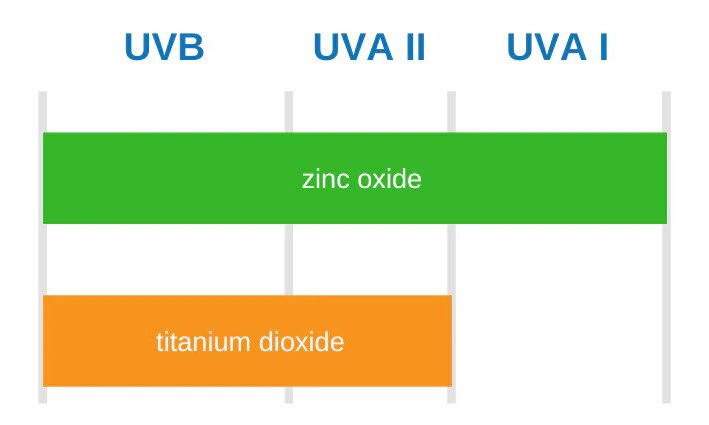
I have not included mineral sunscreens that are predominantly or exclusively titanium dioxide based, because they do not offer full-spectrum protection on their own.
This list does not include any product that has both mineral and chemical sunscreens.
I have excluded spray, stick, and powder formulations from this list, as they can lead to inadequate coverage (especially powder) and there is a risk of inhalation-related issues with spray devices.
This list is specifically tailored to pregnant individuals, so I have eliminated certain chemicals (aside from chemical filters) that are best avoided during pregnancy.
This list is free of chemical filters used in the ‘doping’ of mineral sunscreens.
For more information: What is doping in mineral sunscreens?
You can build your own list using these posts:
As always, all my pregnancy recommendations (at the time of writing) are free of:
Parabens, phthalates, triclosan, and benzophenone 3 (also known as oxybenzone). All four are endocrine disruptors. They interfere with the normal functioning of the endocrine system and the reproductive and other biological processes it regulates.
Added fragrance. A rich source of phthalates and a skin irritant, especially in pregnancy, when hormonal changes can leave skin more sensitive.
Formaldehyde and formaldehyde releasers. These have been linked to cancer and are also known skin irritants.
Retinoids. These vitamin A derivatives can cause abnormalities in multiple organ systems.
Reminder: Companies frequently change their formulas, and ingredient lists may vary by country. Always check the full ingredient list before using any product, especially sunscreens.
A Practical Tip
How to reduce the white cast in mineral sunscreen
Use tinted sunscreen. This has the dual benefit of not only mitigating the white cast but also blocking the visible light from our tech devices, which can cause or worsen melasma. You might have to try out different brands and shades, though, to find the right match.
Mineral sunscreen takes a while to settle down. Applying it a few minutes before stepping out might reduce the white cast.
A Gentle Reminder
Don’t rely solely on sunscreen
No sunscreen can block 100% of UV rays, so pairing it with other measures like seeking shade when you can, using sunglasses, wearing protective clothing, and wearing a hat is important. You can also avoid sun exposure when it is at its peak, typically 10 AM to 2 PM.
Furthermore, widespread underapplication and infrequent reapplication make relying solely on sunscreen insufficient.
The Picks
The best pregnancy-safe mineral sunscreens (non-tinted)
Choosing the best pregnancy-safe sunscreen depends on your skin type, your preference for texture, and your tolerance for white cast, but all options below are mineral-based and suitable for use during pregnancy.
- 20% zinc oxide
- With blue tansy and aloe vera to calm, soothe, and hydrate sensitive skin
- Vegan, cruelty-free
- 20% zinc oxide (labeled non-nano)
- Vegan
- Unscented
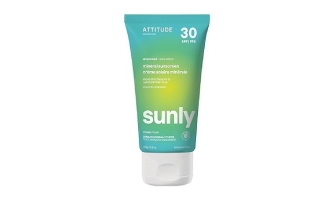
- 18.75% zinc oxide (labeled non-nano)
- No added fragrance
- Total 6 ingredients (1 active, 5 inactive)
- Vegan, cruelty-free
- Made in the USA in a solar-powered plant
Badger has been a personal favorite, and this is the brand I used a lot during my pregnancy, from sunscreens and bug sprays to belly oils and lip balms. PS: I have not been paid by them for this statement.
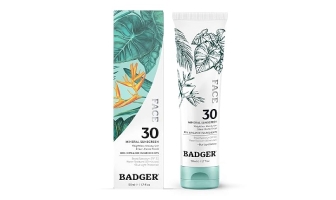
- Uncoated (untreated with other chemicals) 22.5% zinc oxide (labeled non-nano)
- No added fragrance
- Total 4 ingredients (1 active, 3 inactive)
- Vegan, cruelty-free
- Made in the USA in a solar-powered plant
Click here for more information on uncoated zinc oxide. I did not quite like this one for my brown skin, as it gave me a heavy white cast, but the formula is very clean.
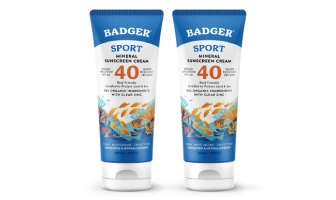
- 25% zinc oxide (labeled non-nano)
- With colloidal oatmeal for sensitive, eczema-prone skin
- With shea butter
- Has the Seal of Acceptance from the National Eczema Association
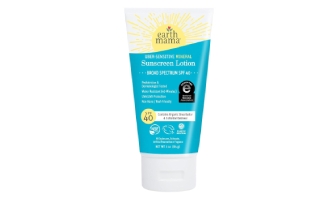
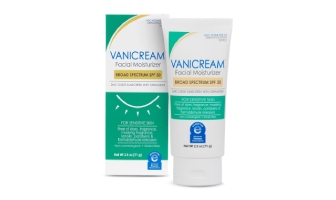
- 11% zinc oxide
- With shea butter and hyaluronic acid
- Fragrance free
- Vegan, cruelty-free
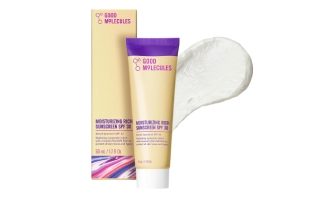
- 20% zinc oxide (labeled non-nano)
- With natural fragrance oil
- Cruelty-free
This is my go-to sunscreen for my kid and me, we have gone through so many tubes. It leaves a white cast, but it is quite okay once rubbed in. The fragrance in it is so mild that you won’t even notice it.
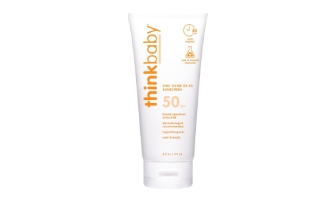
- 23.4% zinc oxide (labeled non-nano)
- With natural fragrance oil
- Cruelty-free
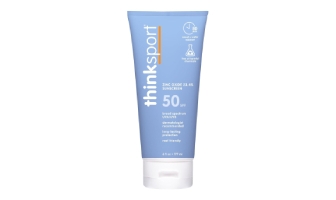
- 23.5% zinc oxide (labeled non-nano)
- Vegan, cruelty-free
- Packaging made from recycled plastic
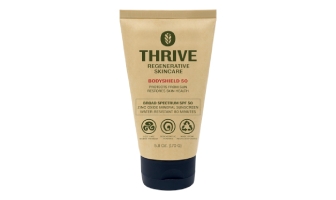
- 19.5% zinc oxide
- With ceramides
- Labeled non-comedogenic
- No botanical extracts
FAQ
Common questions about pregnancy-safe sunscreens
What is the best pregnancy safe sunscreen?
The best pregnancy-safe sunscreens are mineral sunscreens containing zinc oxide, as they provide broad-spectrum protection with minimal absorption.
Is mineral sunscreen safe during pregnancy?
Yes, mineral sunscreen is considered safe during pregnancy because it sits on the skin and reflects UV rays instead of being absorbed.
Why is zinc oxide sunscreen recommended during pregnancy?
Zinc oxide sunscreen is preferred because it is a mineral sunscreen: gentle, less irritating, and it does not penetrate the skin significantly. It is also preferred over titanium dioxide, another mineral filter, because it provides full-spectrum protection that titanium dioxide alone does not.
What makes sunscreen safe for pregnant women?
A safe sunscreen for pregnant women is typically fragrance-free, mineral-based, and free from chemical filters like oxybenzone and octinoxate.
Do I need to switch to mineral sunscreen during pregnancy?
You do not have to switch, but many women prefer mineral sunscreen as a safer choice during pregnancy. Although there are concerns about the use of chemical filters, there is still no concrete proof that chemical filters are harmful to human health.
Sponsored post: This post is in collaboration with Amazon, but all the product choices and opinions are my own. See our disclosure.
Not sure which sunscreen suits you?
If you would like a quick, doctor-vetted review of a sunscreen’s ingredient list for your pregnancy, or help choosing an option you will actually enjoy wearing, I would love to help.