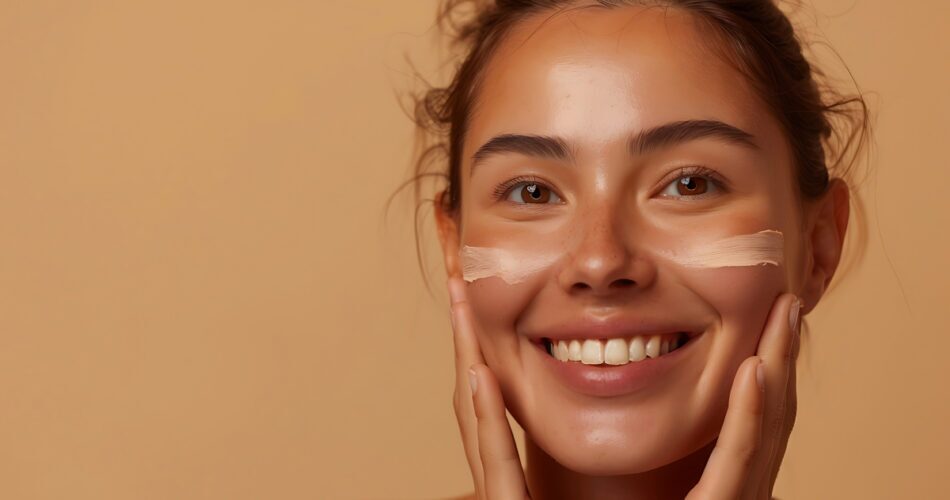
The best pregnancy-safe tinted sunscreens: mineral, zinc oxide options that protect against visible light and help prevent melasma.
Navigating pregnancy-safe skincare can be complicated, but as a medical doctor with a focus on cosmetic ingredient safety, I’ve simplified the search for you. Visit my Skincare During Pregnancy: Begin Here guide for a full index of ingredient safety reviews, pregnancy and IVF-safe recommendations, and doctor-vetted product guides.
Today, it is about pregnancy-safe tinted sunscreens. While the best kind of sunscreen is the one you will wear, mineral sunscreens may be a better choice during pregnancy due to concerns about chemical filters.
More information on the whole debate about chemical versus mineral sunscreen during pregnancy is in this blog: Is Sunscreen Safe in Pregnancy? Expert Guide.
If you are looking for the best tinted sunscreen for pregnancy, mineral sunscreens containing iron oxides and zinc oxide are considered safe for pregnant women. Here, in this blog, is the curated list.
For non-tinted sunscreen, see this: Best Non-tinted Pregnancy Safe Sunscreen – Mineral and Zinc Oxide Options.
Quick Navigation
The Verdict
Are tinted mineral sunscreens pregnancy safe?
One of the most common questions is whether tinted sunscreen is pregnancy safe, and the answer is yes. The tint in these sunscreens comes from iron oxide, a naturally occurring mineral. In skincare, it is largely synthetic and typically free of the trace amounts of heavy metals found in natural sources. Iron oxides are safe to use in pregnancy.
The Advantage
Are tinted mineral sunscreens better than non-tinted in pregnancy?
In many ways, yes. They are better than non-tinted sunscreens.
Iron oxides in tinted sunscreens protect against visible light, a major trigger of melasma or pregnancy-induced hyperpigmentation.
While both tinted and non-tinted mineral sunscreens are safe during pregnancy, as they sit on the skin’s surface and are not absorbed, the tinted variety is unique in its role in preventing (and even managing) melasma.
Besides the sun, the major source of visible light? Our phones and laptops, an irreplaceable part of modern life.
This is why tinted sunscreen is often recommended as a pregnancy-safe option, especially for women concerned about pigmentation.
The presence of iron oxides also helps eliminate the white cast that is an ever-present problem with mineral sunscreens. Tinted sunscreens can blend well with diverse skin tones, which improves the amount and consistency of sunscreen use. The only way to completely eliminate the white cast is to use tinted sunscreens in the right color shade for your skin tone.
It also camouflages minor skin imperfections to even out the skin tone.
The Trade-offs
What are the negatives of tinted sunscreens?
Finding the right color may take quite a bit of trial and error. Consider going somewhere that lets you try different shades, as blind purchases may not match your skin tone.
Iron oxides may transfer onto your clothes and can be tough to get rid of.
The tint may settle into skin lines and look orangish.
Avoid using tinted sunscreen like a foundation and applying too little.
The Method
Pointers to how this list has been constructed
All the sunscreen recommendations here are 100% mineral-based (with zinc oxide always included) and have a minimum SPF of 30.
You will see some products labeled ‘non-nano’ in this list. These are the products the manufacturer has clearly stated are non-nano. The rest, with no such label, carry no manufacturer declaration as nano or non-nano. Topical nano mineral sunscreens are generally considered safe for use during pregnancy, but if you are concerned, you can opt for non-nano sunscreens.
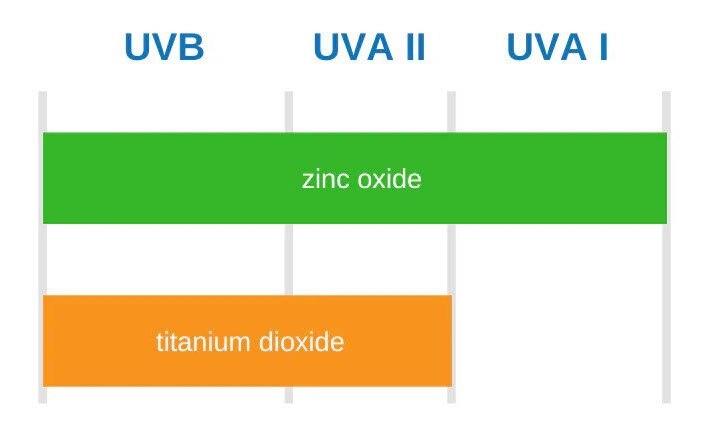
I have not included mineral sunscreens that are predominantly or exclusively titanium dioxide based, because they do not offer full-spectrum protection on their own.
This list does not include any product that has both mineral and chemical sunscreens.
I have excluded spray, stick, and powder formulations from this list, as they can lead to inadequate coverage (especially powder) and there is a risk of inhalation-related issues with spray devices.
This list is specifically tailored to pregnant individuals, so I have eliminated certain chemicals (aside from chemical filters) that are best avoided during pregnancy.
This list is free of the chemical filters used in the ‘doping’ of mineral sunscreens. For more information: What is doping in mineral sunscreens?
You can build your own list using these posts:
As always, all my pregnancy recommendations (at the time of writing) are free of:
Parabens, phthalates, triclosan, and benzophenone 3 (also known as oxybenzone). All four are endocrine disruptors. They interfere with the normal functioning of the endocrine system and the reproductive and other biological processes it regulates.
Added fragrance. A rich source of phthalates and a skin irritant, especially in pregnancy, when hormonal changes can leave skin more sensitive.
Formaldehyde and formaldehyde releasers. These have been linked to cancer and are also known skin irritants.
Retinoids. These vitamin A derivatives can cause abnormalities in multiple organ systems.
Reminder: Companies frequently change their formulas, and ingredient lists may vary by country. Always check the full ingredient list before using any product, especially sunscreens.
A Gentle Reminder
Don’t rely solely on sunscreen
No sunscreen can block 100% of UV rays, so pairing it with other measures like seeking shade when you can, using sunglasses, wearing protective clothing, and wearing a hat is important. You can also avoid sun exposure when it is at its peak, typically 10 AM to 2 PM.
The Picks
The best pregnancy-safe mineral sunscreens (tinted)
Choosing the best pregnancy-safe tinted sunscreen depends on your skin type, your preference for texture, and the color match you are able to get, but all options below are mineral-based and suitable for use during pregnancy.
- 4% titanium dioxide, 4% zinc oxide
- With shea butter
- Labeled hypoallergenic
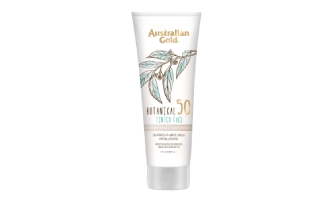
- 6% titanium dioxide, 6% zinc oxide
- With argan oil and hyaluronic acid
- Cruelty-free
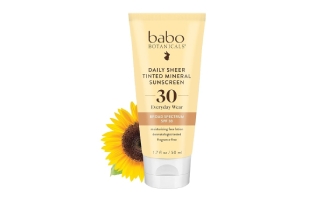
- 25% zinc oxide
- With vitamin E and coconut oil
- Vegan
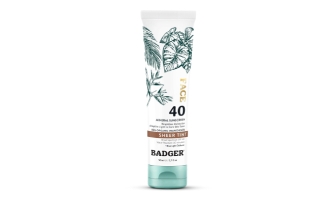
- 5.5% titanium dioxide, 10% zinc oxide
- With hyaluronic acid
- 25% zinc oxide (labeled non-nano)
- With shea butter
- Dimethicone free
- Cruelty-free
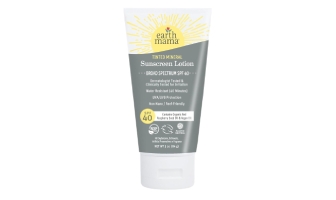
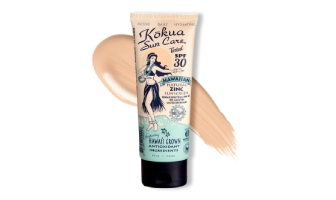
- 18% zinc oxide (labeled non-nano)
- Contains Hawaii-grown botanical extracts
- Vegan bio-based formula
Contains cinnamon bark extract, which can cause skin irritation in sensitive skin. This is far down the ingredients list, and probably a very low concentration, but a patch test would be a good idea.
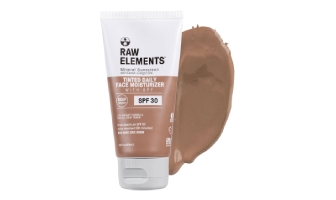
- 20% zinc oxide (labeled non-nano)
- With sunflower, beeswax, and rosemary oil
- Cruelty-free
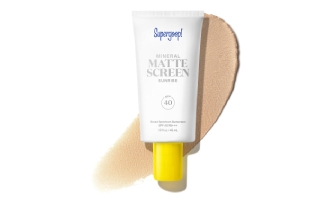
- 17.42% zinc oxide, 1.33% titanium dioxide
- With skin conditioning polymers
- Labeled non-comedogenic
- Cruelty-free, vegan
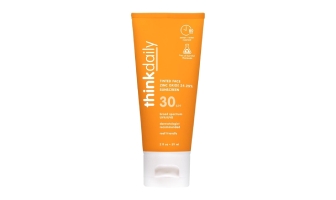
- 24.25% zinc oxide (labeled non-nano)
- Benzene free
- Cruelty-free
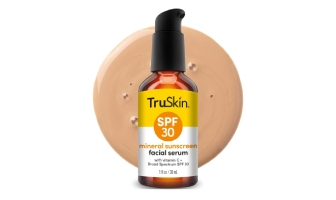
- 16.1% zinc oxide
- With vitamin C
FAQ
Common questions about tinted sunscreen during pregnancy
Is tinted sunscreen pregnancy safe?
Yes, tinted sunscreen is pregnancy safe when it is mineral-based and contains ingredients like zinc oxide and iron oxides.
What is the best tinted sunscreen for pregnancy?
The best tinted sunscreen for pregnancy is a mineral sunscreen with zinc oxide and iron oxides for protection against visible light.
Why is tinted sunscreen recommended during pregnancy?
Tinted sunscreen helps protect against visible light, which can trigger melasma, a common skin concern during pregnancy.
Is mineral-tinted sunscreen better than regular sunscreen during pregnancy?
Mineral-tinted sunscreen is often preferred because it provides both UV and visible light protection while remaining gentle on sensitive skin.
Can tinted sunscreen replace foundation during pregnancy?
Yes, tinted sunscreen can help even out skin tone, hide minor imperfections, and reduce the need for additional makeup, while still providing sun protection.
Sponsored post: This post is in collaboration with Amazon, but all the product choices and opinions are my own. See our disclosure.
Not sure which tinted sunscreen suits you?
If you would like help matching a shade or a quick, doctor-vetted review of a sunscreen’s ingredient list for your pregnancy, I would love to help.