The best pregnancy-safe, steroid-free moisturizers for eczema: fragrance-free, NEA-accepted creams, balms, and lotions for flare-prone skin.
Navigating pregnancy-safe skincare can be complicated, but as a medical doctor with a focus on cosmetic ingredient safety, I’ve simplified the search for you. Visit my Skincare During Pregnancy: Begin Here guide for a full index of ingredient safety reviews, pregnancy and IVF-safe recommendations, and doctor-vetted product guides.
Today is about pregnancy-safe moisturizers for eczematous skin. While the total prevalence of eczema during pregnancy is unknown, studies (1, 2) have found eczema to be the most common skin disease in pregnant women, with most of them (60-80%) developing the symptoms for the first time during pregnancy.
If you suspect you have eczema, the first step is to consult your dermatologist, who is your best guide for diagnosing the condition and providing a tailor-made solution for you.
Quick Navigation
Getting the Most From It
Best ways of using moisturizer for eczema
Moisturizers are an integral part of managing eczema.
A pregnancy-safe moisturizer is your best friend for caring for eczematous skin and should never be missed.
Here is how to best use them:
The best kinds of moisturizer for eczema are the ones that feel greasy, ointments followed by creams. This makes petroleum jelly an excellent choice for eczematous skin, and yes, it is pregnancy safe. Just make sure it is white or refined petroleum.
If petroleum jelly is not for you, there are other good options like oats, shea butter, vitamin E, niacinamide, or glycerin.
The best time to use a moisturizer is immediately after a bath or handwashing, which can be drying due to the soap or the use of hot water.
There is no set number of times you should moisturize. Apply it at least once a day, generously, and repeat whenever the skin feels dry or itchy.
Never use moisturizers with fragrance, as this can be a major source of skin irritation and worsen your eczema.
Before using a new product, do a patch test with a pea-sized amount on a small, discreet area of normal skin, like the wrist, to rule out any allergic reaction (redness, itchiness, hives, and so on).
Read the product label carefully to rule out the presence of any chemical or ingredient that you are allergic to.
Always consult your treating doctor for product recommendations.
The Method
How has this list been put together?
A lot went into curating this list of steroid-free, pregnancy-safe moisturizers for eczema. The inclusion of some ingredients (for example, propylene glycol) may surprise you, but there are a lot of fish in the sea, and you should pick the ones you are comfortable with.
There is no fragrance (natural or artificial) in any of the recommended products, as it can irritate and worsen the eczema.
Every product in this list bears the National Eczema Association’s Seal of Acceptance (NEA Accepted), which filters out products with chemicals that may not be suitable for eczema-prone skin. That said, a product without this seal is not necessarily unsuitable, but people have a strong preference for such products, and thus, the list is based on that.
Here is the link to the database of all such products:
National Eczema Association’s Seal of Acceptance
Some of the products contain propylene glycol, which is safe to use in cosmetic formulations during pregnancy. It serves both as a preservative and a moisturizing agent by retaining water. Many people prefer not to have it in their products, so where it is present, I have made a note of that.
Petrolatum or petroleum jelly is a very effective moisturizer for dry and eczematous skin, as it creates a protective barrier that prevents moisture loss. It is also pregnancy safe, just make sure you use refined or white petroleum jelly that is free of impurities. This list has both products with and without petrolatum to cater to all preferences.
As always, all my pregnancy recommendations (at the time of writing) are free of:
Parabens, phthalates, triclosan, and benzophenone 3 (also known as oxybenzone). All four are endocrine disruptors. They interfere with the normal functioning of the endocrine system and the reproductive and other biological processes it regulates.
Formaldehyde and formaldehyde releasers. These have been linked to cancer and are also known skin irritants.
Retinoids. These vitamin A derivatives can cause abnormalities in multiple organ systems.
Always consult your treating doctor before starting any beauty regimen. They are the best people to guide you based on your needs and medical history.
Reminder: Companies frequently change their formulas, and ingredient lists may vary by country. Always check the ingredient list before using any product.
The Picks
Best pregnancy-safe petrolatum-containing moisturizers for eczema
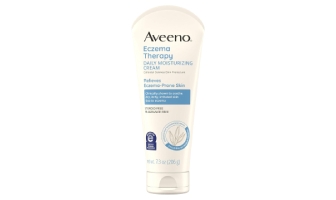
- With colloidal oatmeal
- Labeled non-comedogenic
- Non-greasy
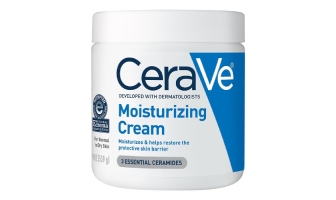
- With ceramides and hyaluronic acid
- Rich, fast-absorbing, non-greasy
- With ceramide complex
- Cruelty-free
- Vegan
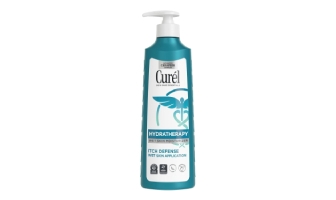
- With ceramides and shea butter
- Vegan and cruelty-free
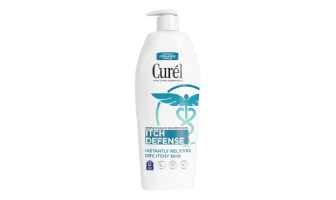
- With 2% oatmeal
- Moisture-rich cream formulation
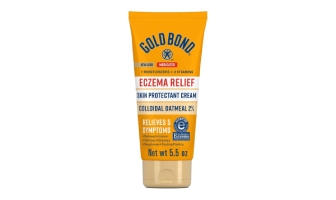
- Rich and creamy texture
- Labeled non-comedogenic
- Has propylene glycol
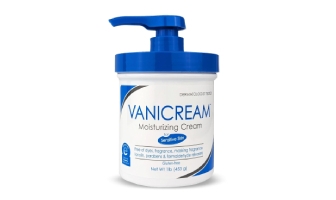
The Picks
Best pregnancy-safe non-petroleum moisturizers for eczema
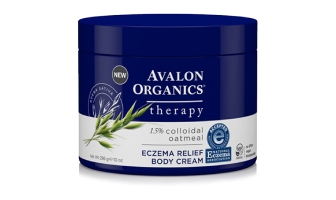
- With 1.5% colloidal oatmeal
- Vegan and cruelty-free
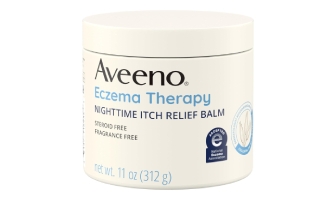
- With oatmeal, ceramides, and glycerin
- Rich, thick texture
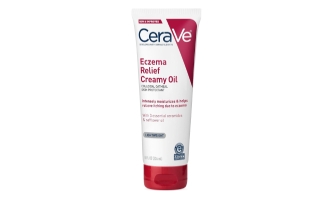
- With 1% colloidal oatmeal, ceramides, and safflower oil
- A combination of cream and body oil for a rich, occlusive texture
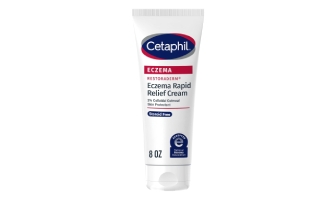
- With 2% oatmeal and glycerin
- Helps restore the skin barrier
- With oatmeal and glycerin
- Lightweight, cooling gel formula
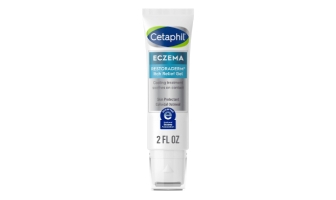
- With oatmeal and glycerin
- Labeled non-pore-clogging
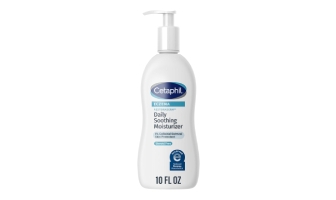
- With cica and ceramide
- Repairs the skin barrier
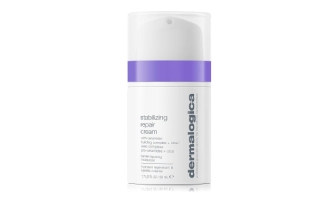
- With oatmeal, honey, shea butter, aloe vera, and cocoa butter
- Lightweight and fast-absorbing
- Cruelty-free
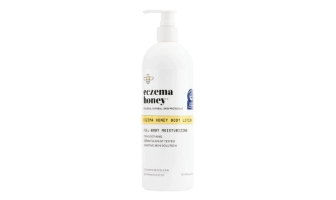
- With prebiotics and colloidal oatmeal
- Silicone-free
- Cruelty-free
This is what I use for my child’s eczema-prone skin.
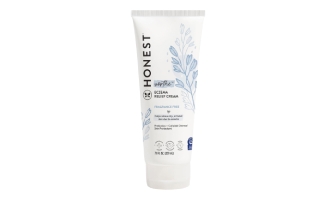
- With hyaluronic acid and allantoin
- Cruelty-free and vegan
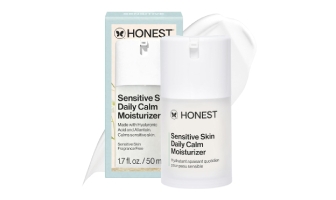
- With dimethicone, shea butter, cica, and vitamin B5
- Rich cream texture with a matte finish
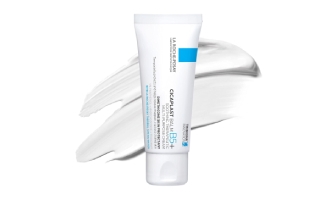
- With squalane and shea butter
- Labeled non-comedogenic
- Repairs the skin barrier
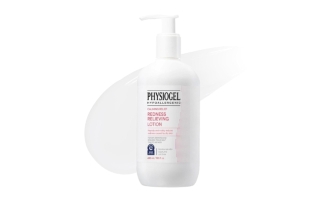
- With glycerin, squalane, hyaluronic acid, and ceramides
- Gluten-free
- Labeled non-comedogenic
FAQ
Frequently asked questions
What is the best moisturizer for eczema during pregnancy?
The best kinds of moisturizer for eczema are the ones that feel greasy, ointments followed by creams. Every pick in this list is steroid-free, fragrance-free, NEA-accepted, and pregnancy-safe, with both petrolatum-containing and non-petroleum options to suit your preference.
Is petroleum jelly safe and effective for eczema while pregnant?
Yes. Petroleum jelly is a very effective moisturizer for dry and eczematous skin, as it creates a protective barrier that prevents moisture loss, and it is pregnancy safe. Just make sure it is refined or white petroleum jelly that is free of impurities.
How often should I moisturize eczema-prone skin?
There is no set number of times. Apply moisturizer at least once a day, generously, and repeat whenever the skin feels dry or itchy. The best time is immediately after a bath or handwashing, which can be drying due to soap or hot water.
Can eczema start for the first time during pregnancy?
Yes. Studies have found eczema to be the most common skin disease in pregnant women, with most (60-80%) developing symptoms for the first time during pregnancy. If you suspect you have eczema, consult your dermatologist first for diagnosis and a tailor-made plan.
Is propylene glycol safe during pregnancy?
Yes, propylene glycol is safe to use in cosmetic formulations during pregnancy. It serves both as a preservative and a moisturizing agent by retaining water. Since many people prefer to avoid it, the picks that contain it are noted in this list.
What does NEA Accepted mean?
It is the National Eczema Association’s Seal of Acceptance, which filters out products with chemicals that may not be suitable for eczema-prone skin. Every product in this list bears the seal, though a product without it is not necessarily unsuitable.
Sponsored post: This post is in collaboration with Amazon, but all the product choices and opinions are my own. See our disclosure.
Questions about eczema care in pregnancy?
If you would like a quick, doctor-vetted review of a moisturizer’s ingredient list, or help choosing a fragrance-free option for eczema-prone skin, I would love to help.