Picking out pregnancy-safe skincare can seem complicated. I have an entire page on pregnancy beauty, dedicated to which skincare ingredients to avoid during pregnancy, breastfeeding, or IVF.
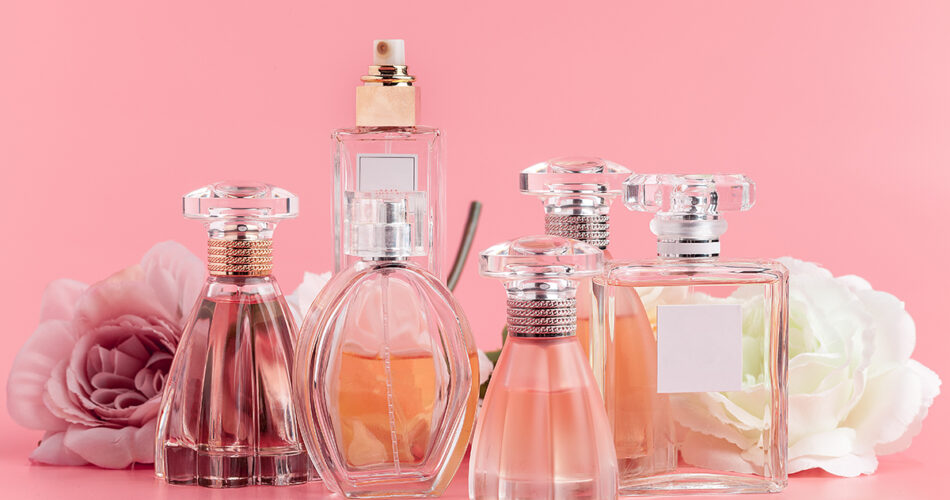
Today is about perfumes in pregnancy.
I love perfumes, and I have used everything from dollar-store varieties to the ones from high-end fashion brands. As I started my IVF journey, I realized the problem with perfumes (presence of pthalates, paraben and other harmful chemicals) and stopped using them.
In a previous blog post, I covered the problem with phthalates and how they adversely affect fertility for both men and women, and their negative impact on success with IVF treatments.
Read Reducing Phthalate Exposure for Improved IVF Outcomes: A Personal Journey and Practical Guide
As with other cosmetics, unlike what one may imagine, it is not all natural things like floral extracts that go into making a perfume. There may not be any natural extracts; instead, they may be filled with chemicals like phthalates and parabens that can harm your health.
Read along to know about phthalate and paraben-free perfume brands.
If you want to jump straight to an exhaustive list of pregnancy-safe perfumes, I have a separate post for that, which I will link here:
Best Pregnancy Safe Perfumes / Perfume for Pregnant Mother.
Quick Navigation
- What are the roles of parabens and phthalates in perfumes?
- How do I know my perfume is clean?
- What if I buy only high-end luxury brands?
- How do you choose a long-lasting phthalate-free perfume?
- Natural vs Clean perfume?
- Best Clean Perfume Brands (With Synthetics).
- Best Clean Perfume Brands (No Synthetics. All natural).
- Trivia.
What are the roles of parabens and phthalates in perfumes?
Parabens have antimicrobial properties and act as preservatives by inhibiting the growth of harmful organisms like bacteria and fungi.
(To know more about parabens in cosmetics, read Are Parabens In Cosmetics Safe To Use?)
Phthalates are used as ‘fixatives’ in perfumes. They help the fragrance last longer and give it an even, consistent scent.
How do I know my perfume is clean?
You can be sure that if a brand makes phthalate-free perfume or paraben-free perfume, it will announce it on its package. That said, studies have found that cosmetics may contain harmful chemicals not listed in their ingredient lists.
Look for ‘fragrance’ or ‘parfum ’ in the ingredients list. Unless it is specified that it is from natural sources or free from phthalates, you should assume it has phthalates in it.
Remember that companies are legally permitted not to disclose the full ingredients list, stating intellectual property rights on the formula.
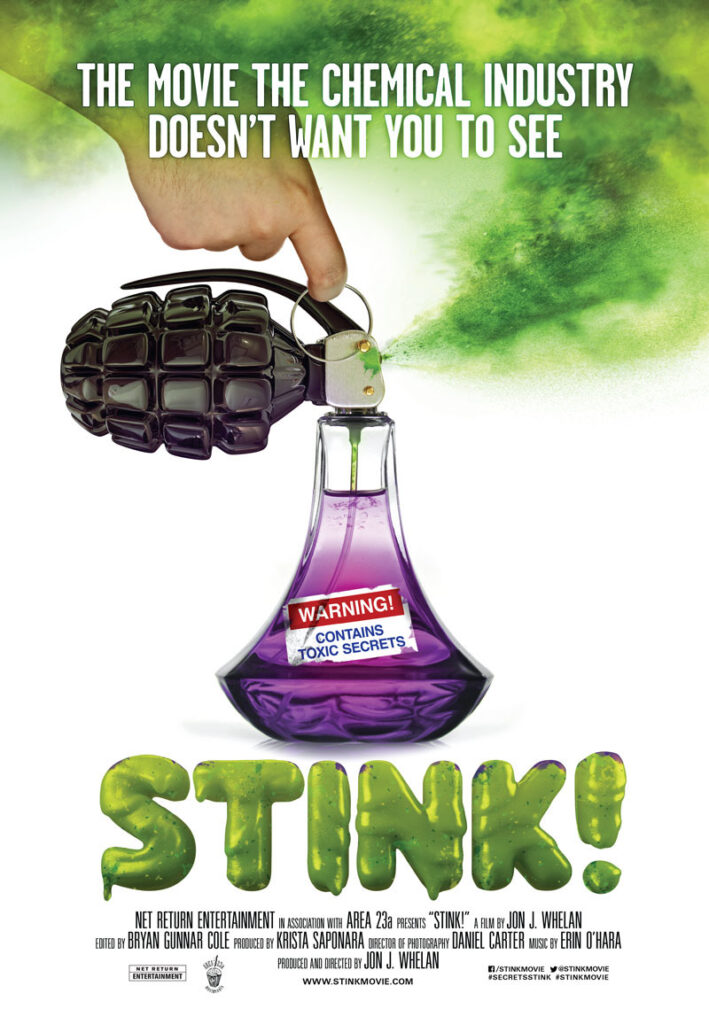
Watch- STINK! The movie the chemical industry does not want you to see.
What if I buy only high-end luxury brands?
Unfortunately, spending more money on perfume from a luxury brand does not necessarily equate to a phthalate-free perfume or a paraben-free perfume.
Just a look at the ingredient list of perfumes from high-end brands will make it clear that they are not clean perfumes.
How do you choose a long-lasting phthalate-free perfume?
Phthalates make scents last longer; thus, when removed from perfumes, the scent will dissipate faster, making short lasting scent a common complaint with phthalate-free perfumes.
Generally speaking, while selecting a phthalate-free fragrance, perfumes that use heavier, amber, or resinous ingredients will last longer, whereas those made of lighter citrusy ingredients will dissipate faster.
To know more about making your natural perfume last longer, read: Make your natural perfume last longer.
Natural vs Clean perfume?
It is important to note that not all clean fragrances are made from natural sources.
There are two main categories of clean perfumes- one made from 100% natural sources and the other that combines synthetic with natural ingredients.
Those made from synthetic ingredients will be similar in feel and fragrance to conventional perfumes. In contrast, those made of natural materials will smell and look different from mainstream perfume and will cost significantly more.
For example, I bought a 100% natural jasmine perfume or ‘attar’ from the famed Gulab Singh Jhorimal that is dark brown in color (it stains light-colored clothes!) and had a deeper and less ‘floral’ smell to it compared to the conventional jasmine fragrance we are exposed to in beauty products.
Trivia
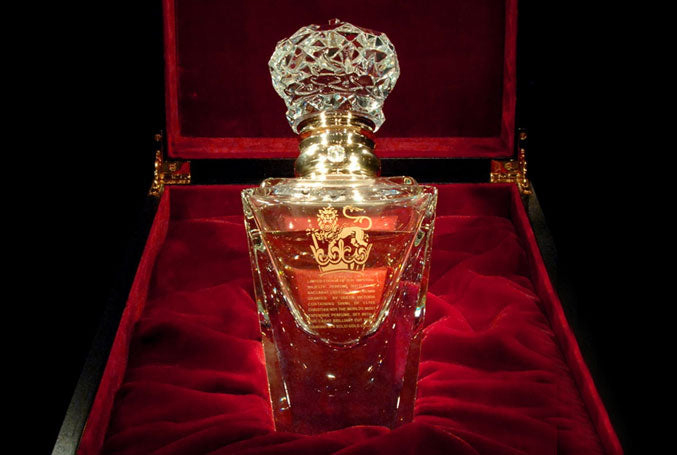
The most expensive perfume recorded in the Guinness Book of World Records is Clive Christian No.1 Imperial Majesty, priced at $205,000 per 500ml and presented in a Baccarat crystal flacon decorated with a five-carat white diamond and an 18-carat gold collar. Only 10 of these bottles were made, and the price included delivery in a Bentley!
Sponsored post
This post is in collaboration with Amazon, but all the product choices and opinions are my own.