The one chemical hiding in your cosmetics, your takeout container, and your sanitary pads that can quietly work against your IVF outcome.
Navigating pregnancy-safe skincare can be complicated, but as a medical doctor with a focus on cosmetic ingredient safety, I’ve simplified the search for you. Visit my Skincare During Pregnancy: Begin Here guide for a full index of ingredient safety reviews, pregnancy and IVF-safe recommendations, and doctor-vetted product guides.
I have an IVF baby. It took multiple cycles of treatment, a gazillion shots (as in injections), and a boatload of money, but here we are, and all the pain and suffering are miraculously forgotten the moment you hold your child in your arms.
IVF is not just expensive, but it is also time-consuming and a physically painful experience. Anyone who has undergone one will tell you that for each shot you take, each pill you pop, each visit to the doctor, each time your blood is drawn for one of the million tests, each retrieval and implantation you undergo, it is of paramount importance that you do the best to get the maximum out of it.
Everyone knows you should not smoke, take folic acid supplements, eat a healthy diet, and exercise, but how many of us have evaluated certain things in our lives and changed them? Things like:
Personal care products (lotions, perfumes, soaps, hair care products, etc)
Ordering takeaways
Sanitary pads
Well, I did.
I did a significant detox of my life.
And why?
Because each of these things has one chemical in common that harms your fertility and, thus, your IVF outcome.
Phthalates.
Quick Navigation
The Basics
What are phthalates, and where are they found?
Phthalates, also known as plasticizers, are a group of man-made chemicals that are colorless and odorless, making them perfect for multiple applications.
CDC (Centers for Disease Control & Prevention) measured 13 phthalate metabolites in the urine of 2,636 people aged 6 years and older who took part in the National Health and Nutrition Examination Survey (NHANES) during 2003 to 2004 and found measurable levels of phthalates in the general US population, with women and non-Hispanic Blacks having a higher level of exposure.
They are so ubiquitous in our lives that they are called ‘The Everywhere Chemical.‘
It is literally everywhere!
In cosmetics, they are used as solvents and product stabilizers, especially perfumes and products that contain fragrances, like soaps, shampoos, lotions, hair sprays, laundry detergents, air fresheners, etc.
In plastics, they are used to make it more durable or flexible. Thus, finding its way into the vinyl flooring of our house, the toys your children play with, your personal hygiene products, the boxes you get your takeout meal in, the garden hose you use to water your plants, the sandals that you wear, the plastic bag you carry groceries in, the medical equipment your doctor used on you.
The list is endless, and so is the exposure to it.
The Science
The impact of phthalates on fertility
Phthalates are endocrine-disrupting chemicals (EDCs) defined as natural or human-made chemicals that may mimic, block, or interfere with the body’s hormones, which are part of the endocrine system.
The body requires hormones in minute quantities; thus, even low doses of these EDCs, like phthalates, are sufficient to cause a health impact.
The formation process of sperm and eggs and their subsequent union and growth is controlled by hormones: EDCs can interfere with this process.
There is growing evidence that links higher levels of EDCs like phthalates to:
Lower fertility rate.
Preterm labor.
Difficulty conceiving.
Low birth weight babies
Higher miscarriage rate.
Lower testosterone levels.
Lower sperm count and poorer sperm motility.
In the case of IVF treatment, the chances of a successful outcome are lowered due to:
Lower egg yield during the oocyte pick-up procedure.
Reduced numbers of mature oocytes
Lower rate of clinical pregnancy
Lower rate of live births.
* It is important to remember that infertility, however, can be due to multiple factors. The treating physician is your best resource for each case.
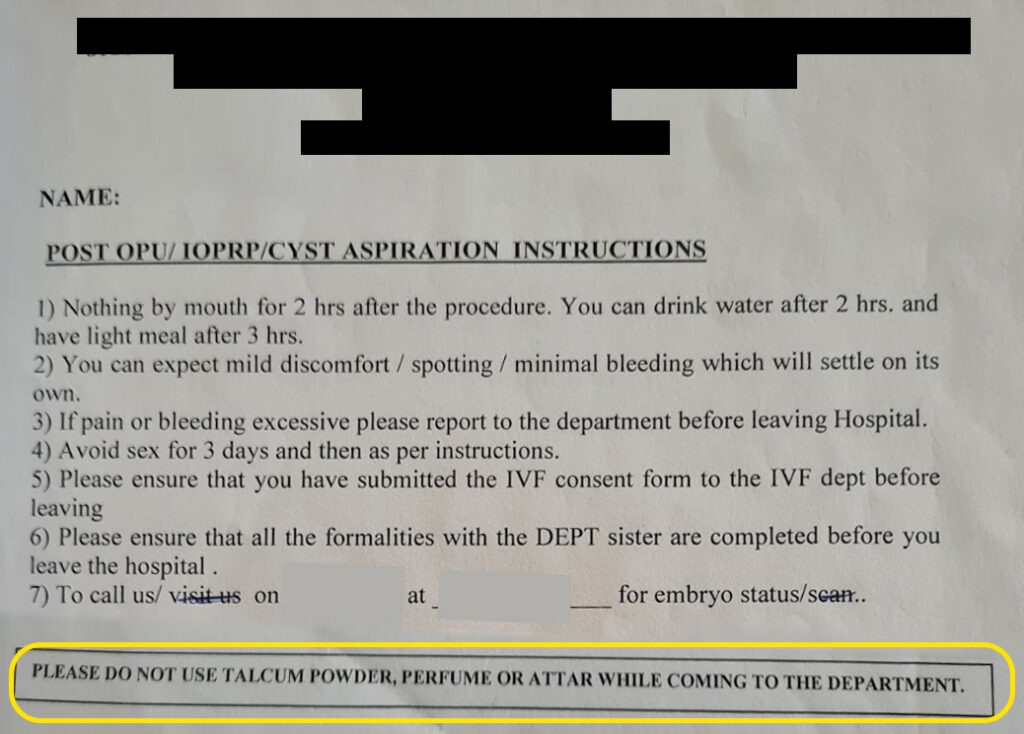 Instruction paper from a fertility clinic asking patients not to use fragranced products.
Reducing Exposure
How do we reduce phthalate exposure?
You can come in contact with phthalates through the skin (cosmetics), diet (takeaway containers), air (breathing in perfume or indoor air mixed with particles of plastic products), and water!
Phthalates are also widely used in the capsules used to contain medicines that may be a part of your infertility treatment!
It is impossible to entirely avoid phthalates: their ubiquitous nature is why they are called ‘The Forever Chemical.’
What is possible is to reduce our exposure to it and, thus, lower its impact on our bodies.
1) Use plastics with caution!
All plastics are not the same. One easy way to identify plastic with phthalate is to look out for the no.3 and the letter V or PVC under it. Such symbols are usually molded at the bottom of the container.
Plastic no.5 (polypropylene) is phthalate-free and should be preferred over others.
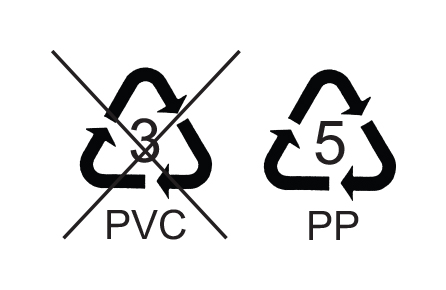 Source: National Institute of Health
No cling films.
Avoid using plastic utensils.
Do not heat or microwave plastic utensils.
Prefer to use glass and steel storage containers over plastic ones, especially for oily or high-fat foods, as they can leach more phthalates from plastic.
Use silicone products over plastic ones.
Remember that products made of flexible plastic are more likely to contain phthalates.
2) Be mindful of the cosmetics you use.
Actively seek out products that say ‘phthalate-free.’
Avoid products that have fragrance as an ingredient unless specified that the source is natural, e.g., from essential oils
Avoid perfumes unless they are labeled ‘phthalate-free.’
Read the label. (more on that below)
For more on choosing a fragrance without them, read: Guide to Phthalate and Paraben Free Perfumes.
3) Yes! Phthalates are in your sanitary products.
Tampons, sanitary pads, and panty liners: phthalates are found in all of them.
They are present in the plastic material used on their layers and also in the hot-melt adhesive used during manufacturing.
As it happens, this study found very high levels of phthalates in sanitary pads and diapers. Sanitary pads and diapers contain higher phthalate contents than those in common commercial plastic products
To reduce your exposure to phthalates:
Always use pure cotton sanitary pads with no plastic core that enhances absorption.
Steer clear of scented pads.
4) Make safer food and drink choices
Reduce take-outs as they are often packed in plastic containers and are hot, which will leach phthalates into the food.
Choose fresh food and drinks over prepackaged and processed foods.
This 2021 study has found higher levels of phthalates in fast-food consumers, possibly due to the extensive use of plastic in handling these foods.
Reading Labels
How do you identify phthalates on beauty product labels?
Studies have shown that women have a higher level of phthalates than men, which is thought to be due to the increased use of phthalate-rich personal care products like perfumes, hair sprays, and cosmetics by women as compared to men.
The number 1 red flag that a product contains phthalates is that the product will have ‘fragrance’ or ‘parfum’ in the ingredient list with no mention of the source. Phthalates help the fragrance last longer and are commonly found in perfumes and products like lotions and body washes.
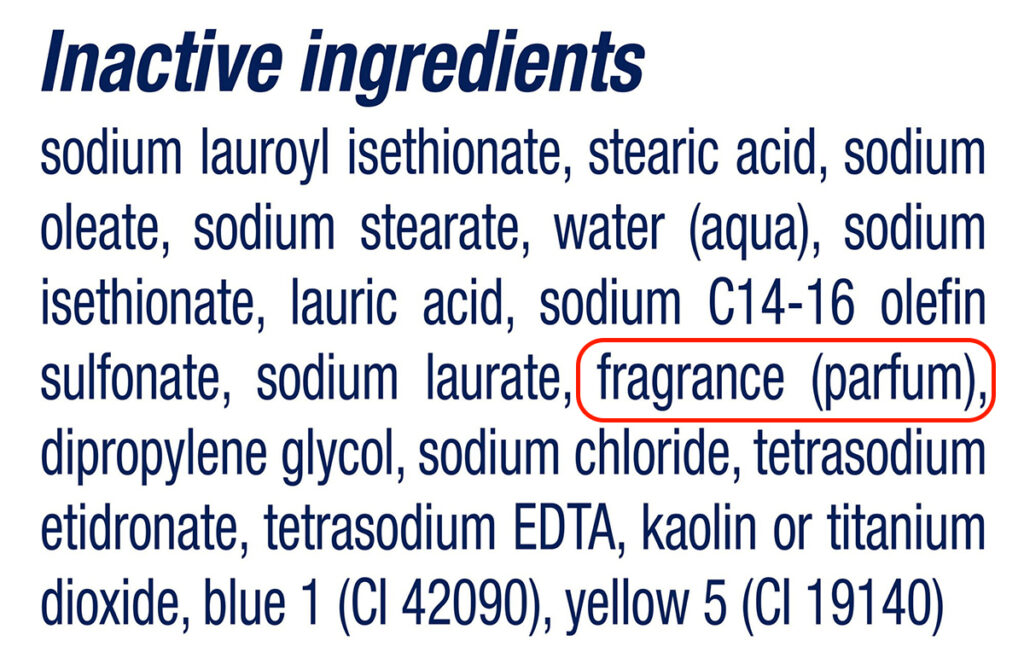 The ingredient list of a very popular bar soap that is famous for being gentle on the skin.
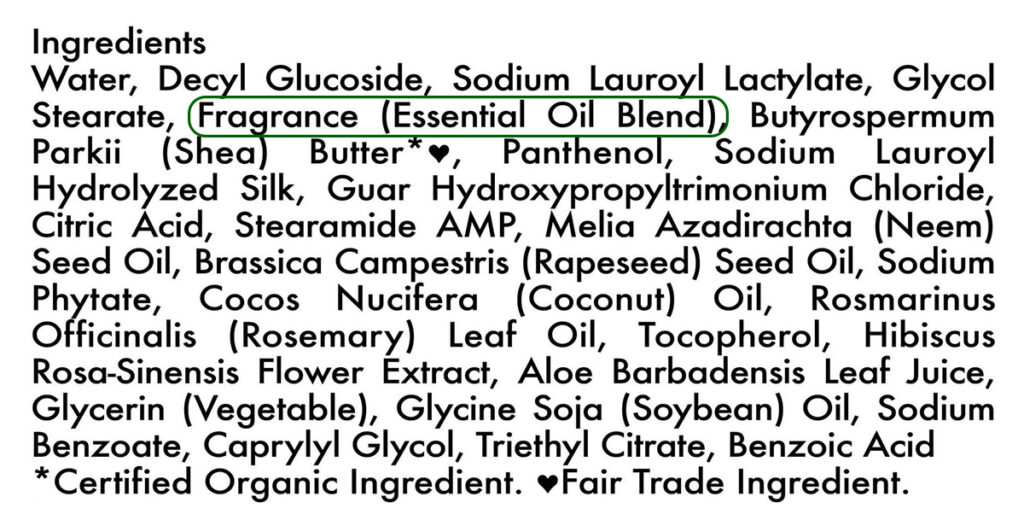 An ingredient list of a shampoo specifying the source of fragrance.
Very rarely will a label state ‘contains phthalates’ or have just ‘phthalates’ written on it.
The labels might have a three or four-letter acronym that defines the chemical structure of a phthalate, but this is also uncommon.
There are a multitude of phthalate compounds.
Besides ‘fragrance’ or ‘perfume’, look for these ingredients in your cosmetic bottle:
- DBP (dibutyl phthalate)
- DINP (diisononyl phthalate)
- DEP (diethyl phthalate)
- DEHP (di-2-ethylhexyl phthalate)
- DMP (dimethyl phthalate)
- BBP (benzyl butyl phthalate)
- DNOP (di-n-octyl phthalate)
- DIDP (diisodecyl phthalate)
- MiBP: mono-isobutyl phthalate, the most common phthalate added to nail polish.
- MEP: monoethyl phthalate, the most common phthalate added to personal care products to enhance fragrance.
Be aware that products labeled “unscented” may still contain fragrance chemicals to cover up other smells, and you cannot be sure they are phthalate-free.
Resources
Resources
https://seed-program.org/
‘The SEED Program is a passion-oriented group of scholars determined to understand how the total environment (built, natural, and social) impacts reproductive health throughout every stage of life. The SEED Program uses novel research techniques to inform clinical practice, public policy, and preventive strategies to elevate the health of all individuals.’
https://www.ewg.org/guides/cleaners/
‘Guide to healthy cleaning.’
https://www.ewg.org/skindeep/
‘Your guide to safer personal care products.’
Takeaway
Takeaway
Phthalates are used in every sphere of modern life, earning them the moniker ‘The Everywhere Chemical.’
It is impossible to avoid phthalates, but we can reduce our exposure to them.
Phthalates act as EDCs and impact fertility, and give poorer results with IVF treatments.
They are commonly found in flexible plastic and as a ‘fragrance’ in cosmetic products.
Women have a higher concentration of phthalates than men, possibly due to more use of cosmetics in the former.
Trivia
Trivia
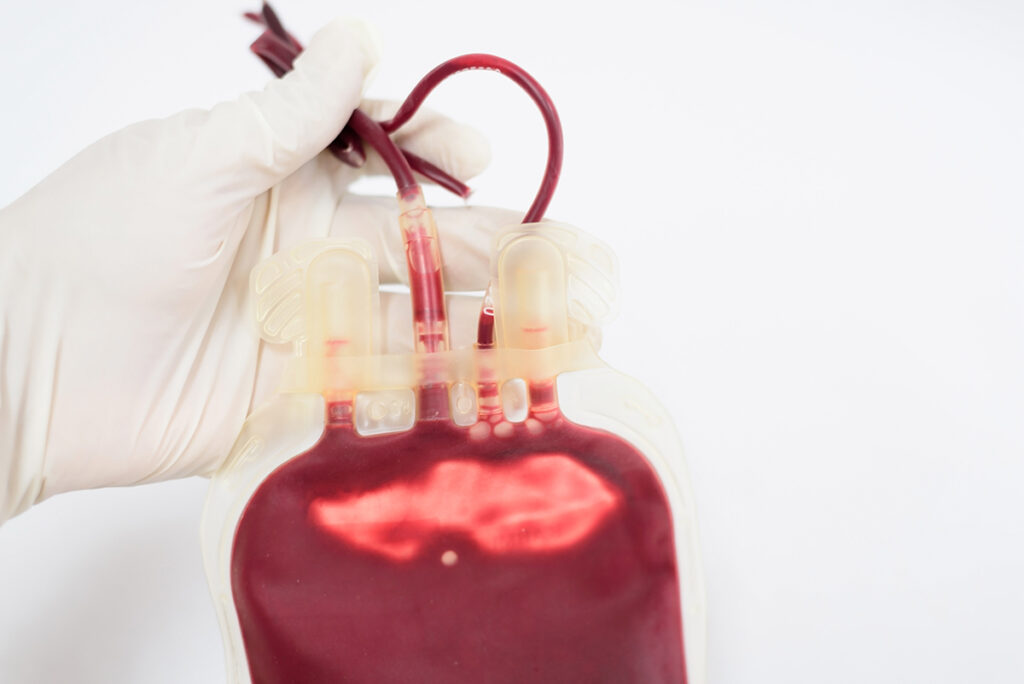 Blood bag and gloves: both made possible by adding phthalates in plastic.
Flexible plastics are more likely to contain phthalates. At the same time, this flexibility imparted by phthalates has been beneficial in the medical industry, where it can be found in disposable gloves, urine catheters, tubings used for IV infusions, blood bags, etc., and in the electrical industry as insulation for wires and cables.
FAQ
Common questions about phthalates and fertility
What are phthalates and where are they found?
Phthalates, also known as plasticizers, are a group of man-made chemicals that are colorless and odorless. In cosmetics they are used as solvents and product stabilizers, especially in perfumes and fragranced products like soaps, shampoos, lotions, hair sprays, laundry detergents, and air fresheners. In plastics they add durability and flexibility, which puts them in vinyl flooring, toys, hygiene products, takeout boxes, garden hoses, sandals, grocery bags, and medical equipment. They are so ubiquitous they are called ‘The Everywhere Chemical.’
How do phthalates affect fertility and IVF?
Phthalates are endocrine-disrupting chemicals that may mimic, block, or interfere with the body’s hormones, and because the body needs hormones only in minute quantities, even low doses can have an impact. Growing evidence links higher levels to lower fertility rates, preterm labor, difficulty conceiving, low birth weight babies, higher miscarriage rates, lower testosterone, and lower sperm count and motility. With IVF specifically, chances of a successful outcome are lowered through lower egg yield at pick-up, fewer mature oocytes, and lower rates of clinical pregnancy and live births. Infertility can be due to multiple factors, and your treating physician is your best resource.
How can I reduce my exposure to phthalates?
It is impossible to entirely avoid them, but exposure can be reduced. Use plastics with caution by avoiding the no.3 or PVC symbol and preferring no.5 polypropylene, skip cling films and plastic utensils, never microwave plastic, and choose glass or steel for oily foods. Seek out cosmetics labeled phthalate-free and avoid unspecified fragrance. Use pure cotton unscented sanitary products. Reduce takeaways and processed food in favor of fresh food and drinks.
How do I spot phthalates on a product label?
The number one red flag is ‘fragrance’ or ‘parfum’ in the ingredient list with no mention of the source. Labels very rarely state ‘contains phthalates’ outright, though they may occasionally carry an acronym such as DBP, DEP, DEHP, DMP, BBP, DINP, DNOP, DIDP, MiBP, or MEP. Be aware that products labeled unscented may still contain fragrance chemicals used to cover up other smells.
Do sanitary pads and tampons contain phthalates?
Yes. Tampons, sanitary pads, and panty liners all contain them, in the plastic material used in their layers and in the hot-melt adhesive used during manufacturing. One study found very high levels of phthalates in sanitary pads and diapers, higher than in common commercial plastic products. Choose pure cotton pads with no plastic absorption core, and steer clear of scented pads.
Why do women have higher phthalate levels than men?
Studies have shown women have a higher level of phthalates than men, which is thought to be due to the increased use of phthalate-rich personal care products such as perfumes, hair sprays, and cosmetics by women compared to men.
Detoxing your routine before treatment?
If you would like help working out which products in your routine are worth replacing before or during fertility treatment, I would love to hear from you.