Navigating pregnancy-safe skincare can be complicated, but as a medical doctor with a focus on cosmetic ingredient safety, I’ve simplified the search for you. Visit my Skincare During Pregnancy – Begin Here guide for a full index of ingredient safety reviews, pregnancy and IVF-safe recommendations, and doctor-vetted product guides.
Today is about parabens in cosmetics.
Though widely used and deemed safe within regulatory limits, this controversial ingredient is strictly blacklisted by the ‘clean beauty’ movement. Many industry experts, however, argue that its reputation has been unfairly tarnished, and this ingredient, in use since the 1930s, serves an important purpose by keeping our cosmetics safe to use.
Read on to know if parabens are really the villains or victims.
Quick Navigation
What Are Parabens & Where Are They Found?
These chemical preservatives are (in)famously found in various types of color cosmetics and skin care products.
They are also widely used in food (processed and frozen foods, pickles, jams, candy, etc.) and the pharmaceuticals industry (injections, oral suspensions, topical preparations, etc.)
Parabens are also found in fruits and vegetables, but in very low concentrations.
They have antibacterial and antifungal properties and are used as preservatives, which are essential to keep products safe for use.
They are also chemically stable, effective over wide pH ranges, odorless, and tasteless, making them very desirable in cosmetics and food industries.
There are many types of parabens, and they will typically be written with the tag ‘paraben’ at the end.
Methylparaben, ethylparaben, propylparaben, butylparaben, isopropylparaben, and isobutylparaben are the most commonly used
Often, multiple types of parabens are used in the same product.
The Concern With Parabens
First introduced in the 1930s as a preservative in medicines, it was reported to be an Endocrine Disrupting Chemical (EDC) in 1998 by Routledge. Over time, parabens have been painted a villain of great magnitude.
(EDCs are chemicals that mimic, interfere with, or block the hormones in our body and have been linked to various health issues like infertility, cancers, etc.)
The 2004 study by Darbe et al., reporting parabens in samples of breast cancer tumors, can be cited as the knell in the coffin.
The list of their alleged malicious behavior includes:
- Endocrine disruption
- Carcinogenesis
- Negative impact on female fertility
- Sperm abnormalities
- Allergies
- Early puberty
- Adipogenesis
- Intrauterine exposure effects (low weight and reduced height at birth)
- Ecological effects
Owing to such concerns, in 2015,the European Union reduced the permissible concentration of propylparaben and butylparaben.
These two have also been banned from leave-on products designed for the nappy area of children under 3, since skin irritation due to fecal and urine contamination, combined with the occlusive effects of items like diapers, may enhance the penetration of these chemicals.
The European Union also banned isopropyl paraben, isobutyl paraben, phenylparaben, benzylparaben, and pentylparaben in cosmetics due to the lack of data necessary for evaluation.
The EU allows other parabens in a maximum concentration of 0.4% for a single type and 0.8% for multiple types as preservatives in cosmetics.
It recognizes methylparaben and ethylparaben as safe to use in the maximum permissible concentrations.
(Click here to read the complete document)
“There Are No Significant Health Concerns With Parabens”
This is a statement you will often read as you read more about parabens.
The 2004 Darbre et al. study mentioned previously has been the most oft-quoted by researchers and healthcare advocates as proof of the carcinogenic potential of parabens.
However, many do not agree with this study and point out the various flaws in it:
- The detected parabens were in a minute amount,
- There was no comparative data taken from non-cancerous normal breast tissue.
- The detection of the same parabens in both the tumor and the very chemicals used for the study.
Multiple studies over time have refuted the toxic claims about parabens. Although theoretical concerns about the safety of parabens abound, the actual impact, if any, on human health is unclear.
Studies have not been able to clearly demonstrate a causal relationship.
Australia’s National Industrial Chemicals Notification and Assessment Scheme (NICNAS) states that “no critical health effects associated with these chemicals in cosmetics have been established.”
The Cosmetic Ingredient Review (CIR) in September 2018 reviewed 20 different types of parabens in cosmetics and concluded that they are safe to use in the current practices and concentrations.
The CDC states that “Parabens that enter the body are quickly excreted” and that “there was no need to change CIR’s original conclusion from 1984 that parabens are safe to use in cosmetics.”
The FDA does not consider parabens to be harmful when used in cosmetics, as they are present in very small amounts.
The American Cancer Society states that “studies in people have not shown any direct link between parabens and any health problems, including breast cancer”, and “Although there are no clear health risks from parabens in food, drugs, cosmetics, and skincare products, people concerned about being exposed to parabens might choose to avoid products containing them.”
The National Cancer Institute states, “It has been reported that parabens are found in breast tumors, but there is no evidence that they cause breast cancer.”
Furthermore, despite public concerns, the allergenic potential of parabens is low, and 2019 saw parabens being crowned the non-allergen of the year by The American Contact Dermatitis Society.
Also, the studies on animals attesting to the toxicity of parabens and extrapolating it to the human population used them in amounts exceeding what is actually used in consumer products.
There is also concern that removal of parabens from consumer products and replacement with other newer substitutes, which are less investigated, could be a health risk.
So, Are Parabens Bad For You?
Well, unfortunately, there is no straight answer to this, and thus these debates. What we do know that the concentrations being used in cosmetics as of now are safe to use.
Do parabens cause cancer? Infertility? Low birth weight? If so, what amounts are dangerous to the human population? It is not known yet. (We have animal models that define toxic levels in them but we do not know for certain how it exptrapolates to the human population)
Everything in excess is toxic. Case in point, water. It is essential to life, but too much can lead to water intoxication and prove fatal.
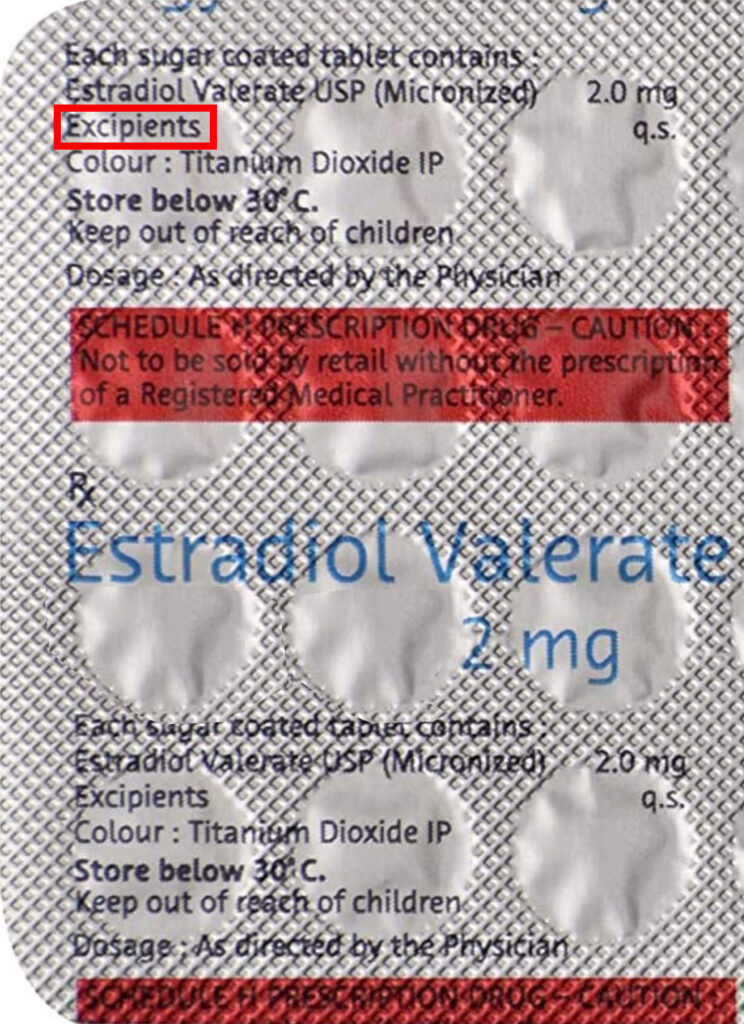
Simple maths can attest that while individual products may contain paraben within the safe limits, cumulative exposure from skincare products or cosmetics ( an average woman uses 16 products each day), food (are you eating parabens?), oral and topical medications (listed as ‘excipients’ which can be of many other types, besides parabens ) may theorotically result in exceeding the safety limit and lead a variety of health problems.
If you are worried about parabens for your general health or in specific situations like infertility or pregnancy, eliminate them from your cosmetics and skincare products, especially since medications and quite a few of the food items in your pantry already have parabens in them.
I pointed out cosmetics and skincare because parabens are always clearly labeled in them, unlike with medicines and many foods, making it easy to eliminate and reduce your exposure. Also, many medications are essential for your health.
Some medicines, esp topical products, and food may mention parabens, but typically most are not required to and do not.
Using parabens “ne quid nimis” (Latin for nothing in excess) is perhaps the key to avoiding unforeseeable health problems.
Takeaway
- Parabens have been used for almost a decade as an effective and cheap preservative in cosmetics, food, and medicines.
- They have been implicated in various health conditions like breast cancer and infertility.
- There is, however, no consensus about their toxicity in humans. The EU has banned certain parabens and formulations, whereas the FDA considers them safe to use in the concentrations recommended.
- If you are worried about the potential negative impact of parabens, you may consider using paraben-free cosmetics and skin care products. Eliminating parabens from your medicines and food can be tough, as they are often listed as only ‘excipients’ in medicines or just as ‘preservatives’ in your food.
Trivia
How do you say happy birthday in Portuguese?
Parabéns!