Picking out pregnancy-safe skincare can seem complicated. I have an entire page on pregnancy beauty, dedicated to which skincare ingredients to avoid during pregnancy, breastfeeding, or IVF.
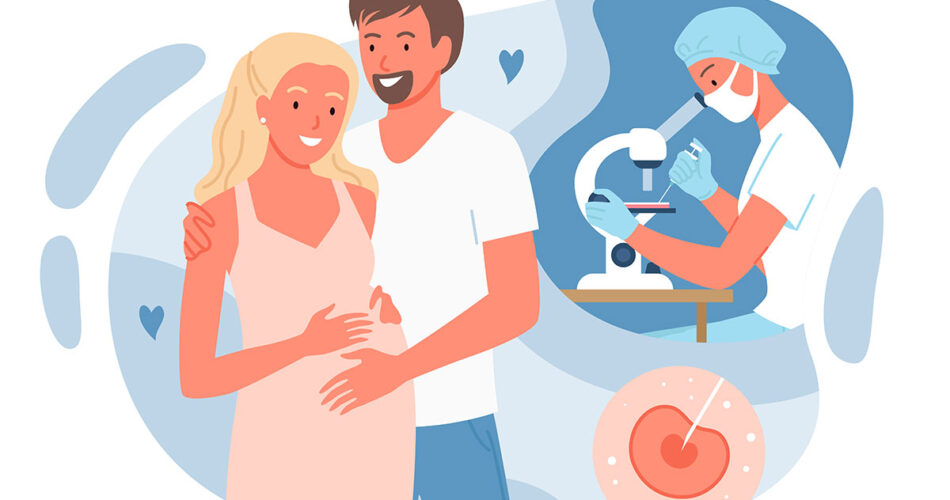
IVF is expensive. It is all-consuming, stressful, overwhelming, and seemingly never-ending! I have an IVF baby, and I did everything possible to maximize my chances. All the IVF success tips I could find, I tried to incorporate it, especially with regards to chemicals that cause female infertility. This is my personal journey and a practical guide to help you do your best.
At the outset, it is important to understand that it is impossible to eliminate chemicals from one’s life. We are so dependent on them that life as we know it now is inconceivable without them.
What can be done, though, is to reduce our exposure to these harmful chemicals.
This blog covers the chemicals that cause female infertility or increase the chances of a miscarriage and impact the success rate of fertility treatment.
I would recommend that during your IVF journey, you start to use pregnancy-safe skincare products as chemicals take time to flush out from your body. This way, when you are ready for embryo implantation, your body will be a clean slate!
- Part I: Pregnancy Safe Skincare- Avoid These Ingredients.
- Part II: Pregnancy Safe Skincare- Avoid These Ingredients.
Quick Navigation
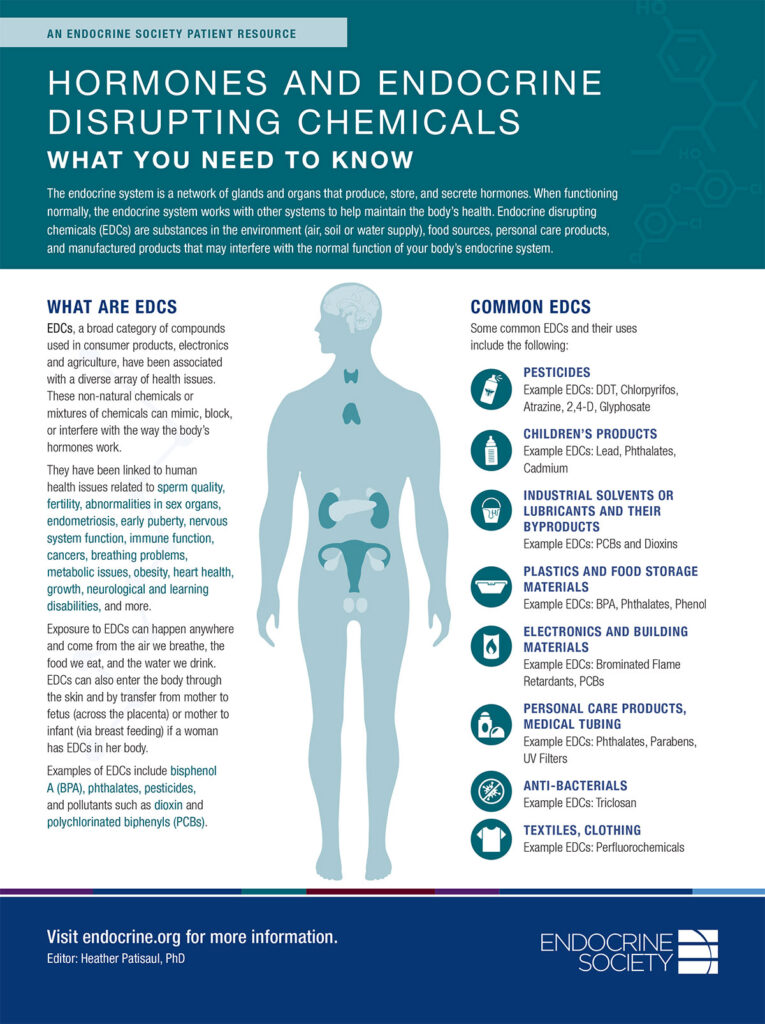
Endocrine Disrupting Chemicals (EDCs)
EDCs are natural or human-made chemicals that may mimic, block, or interfere with the functioning of the body’s hormones. Human body functions involve very small changes in hormone levels, and it is believed that EDCs, even in low amounts, can disrupt the body’s systems, leading to health issues.
This group of chemicals causes female infertility (and male infertility, too!)
And yes, they are in your cosmetics.
These are:
- Phthalates or ‘Added Fragrance’
- Parabens
- Triclosan
- Chemical Sunscreens
Bisphenols, also known more commonly as BPAs, have been banned by the FDA from baby products but are still widely found in makeup packaging!
These have been covered in a previous post, so I will link them here.
Besides these EDCs related to skincare, there are other EDCs in your environment that can impact your chances of a successful IVF treatment.
Here is more information on them and information on how to reduce your exposure:
Here is a detailed blog about how phthalates impact your fertility and how to reduce your exposure to them: Reducing Phthalate Exposure for Improved IVF Outcomes: A Personal Journey and Practical Guide
If you love perfumes or perfumed skin care products, chances are that they are the first things that need to be tossed out and be replaced by IVF & pregnancy-safe alternatives:
Guide to Phthalate and Paraben Free Perfumes: Healthier Fragrance Choices
Retinoids
Retinoids in any form, especially prescription oral or topical retinoid, is a complete no-no while pregnant as they are potentially teratogenic. Prescription retinoids have to be stopped before you even try to get pregnant, and there are guidelines of care to be followed when a female patient is on them- iPLEDGE
The guidelines are a bit murky when it comes to ‘milder’ forms of topical retinoids during IVF. The milder forms are non-prescription and are commonly found in your cosmetic creams. Your fertility clinic may or may not ask you to stop them. I did as I was in a major detox phase during my IVF, and this was a minuscule ‘sacrifice’ in the scheme of things.
Here is more information:
- Retinoids.
- Is it safe to use retinyl, retinol, retinal cream during pregnancy?
- Is Bakuchiol the plant-based alternative to retinoids, safe to use during pregnancy?
Formaldehyde & Methylene Glycol
Formaldehyde, a pungent, colorless gas, is used in mortuaries, funeral homes, and anatomy labs as an excellent preservative and disinfectant.
Numerous studies have found that exposure to it reduces both male and female fertility. The risk is particularly pronounced if there is repeated exposure or occupational exposure, for example, salon workers or woodworkers.
CDC clearly states that working with formaldehyde could increase your chances of having fertility problems or miscarriage.
Methylene glycol is found in hair straightening and nail strengthening treatment. Many products containing methylene glycol erroneously label themselves as ‘formaldehyde-free.’
Here is more information on them:
Formaldehyde and methylene glycol
Formaldehyde Releasers
In cosmetics, they are typically released slowly, maintaining a good preservative function and prolonging the product’s shelf life.
Above, we have already discussed the possible harms formaldehyde can cause, and formaldehyde releasers can potentially cause the same adverse effects.
Here is more information on it:
Trivia
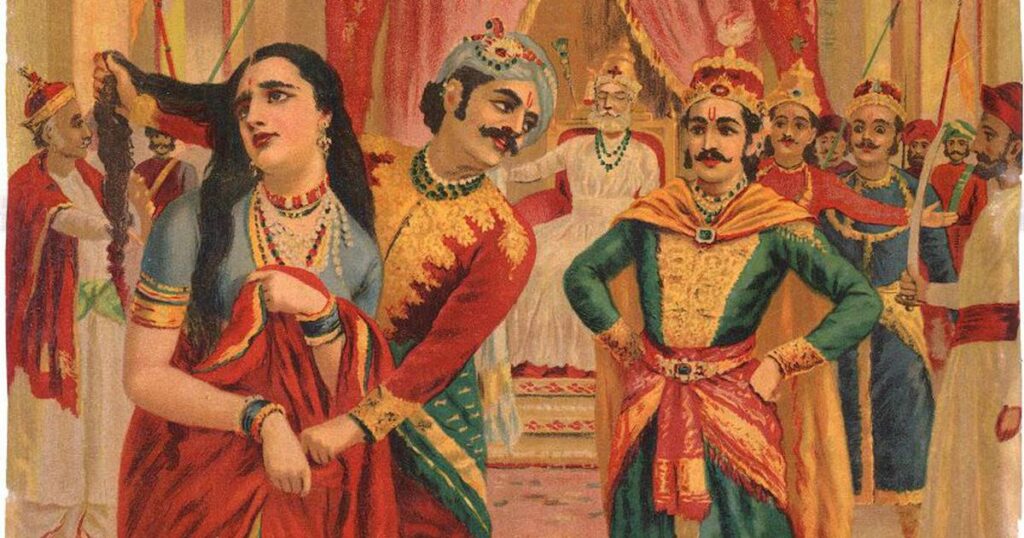
The Mahabharat, the longest epic poem ever written (yes, it is longer than the Iliad and by about 10 times!), is a revered Sanskrit epic of ancient India documenting the internecine feud between two groups of princely cousins. It possibly documents the oldest IVF process wherein the revered Sage Vyasa helps Queen Gandhari (from the ancient kingdom of Gandhara, now in modern-day northwest Pakistan and northeast Afghanistan) to beget 100 boys and 1 girl. As the legend goes, after an unusually long 2 years of pregnancy, she struck her abdomen in frustration, and the ball of flesh that came forth was, by Sage’s order, divided and deposited in pots of clarified butter and cool water sprinkled over these pots. These pots birthed the 100 boys and, the much desired, 1 girl for the Queen.