
Nothing makes you rethink your skincare routine like pregnancy, and amongst all the products, I would rank sunscreen as one of the top ones.
Are you wondering if sunscreen is safe in pregnancy and whether you should switch to a pregnancy-safe sunscreen? This guide answers both questions based on current evidence.
Quick Navigation
- Is sunscreen safe in pregnancy?
- Which sunscreen ingredients to avoid?
- What is the evidence against chemical sunscreens?
- What do various health agencies say?
- Why is sunscreen all the more important in pregnancy?
- Doping in sunscreens.
- Do you need a pregnancy-safe sunscreen?
- What did I do during my pregnancy?
- Common Questions About Sunscreen During Pregnancy.
- Takeaway
- Trivia
Is sunscreen safe in pregnancy?
Generally speaking, mineral sunscreens are considered a safer option during pregnancy. They are often recommended because these ingredients sit on the skin rather than being absorbed.
The additional benefits of using mineral sunscreen include a lower risk of skin irritation, especially since your skin tends to be more reactive during pregnancy or if you have eczema. This makes mineral sunscreen a preferred pregnancy-safe sunscreen option for many women.
Due to instances of ‘doping’ of mineral sunscreens (more on that later), however, you also have to read the ingredients list closely to filter out any other chemicals that might not be safe to use at this stage of life.
Which sunscreen ingredients to avoid?
Chemical filters have been linked to endocrine disruption (for what it means, read Endocrine Disrupters – NIH ), which warrants extra caution during pregnancy, as this period is highly sensitive to hormonal changes.
These chemical sunscreens (in the USA) are:
- Benzophenone derivatives (oxybenzone, avobenzone, benzophenone)
- Octinoxate (ethylhexyl methoxycinnamate)
- Octisalate
- Octocrylene
- Homosalate
What is the evidence against chemical sunscreens?
The evidence on the toxicity of chemical sunscreens is largely mixed, with no consensus on whether these filters are harmful to human health.
Are there concerns?
Yes, chemical filters are said to be linked to adverse health effects, with some showing a stronger relationship than others, but it could also be because they are better studied, for e.g., benzophenones.
Also, much of the research has been conducted in animal models at doses higher than those we typically use, and we cannot say for certain how it extrapolates to humans.
Here are some concerns that have been raised about chemical filters:
- Benzophenone derivatives (oxybenzone, avobenzone, benzophenone)
These are considered endocrine-disruptive, particularly affecting thyroid hormone activity.
Oxybenzone lately has been linked to Hirschsprung’s Disease in the newborn, a condition wherein nerve cells are missing in the gut, resulting in severe constipation, necessitating surgery. - Octinoxate (ethylhexyl methoxycinnamate)
Concerns with endocrine disruption, with studies indicating it can disrupt thyroid hormone in animal models. - Octisalate
This has been linked to impaired fertility due to interference with normal sperm functioning. - Octocrylene
It can be contaminated with benzophenone due to degradation from sunscreen products. There are also concerns about its endocrine-disrupting potential. (However, the EU’s Scientific Committee on Consumer Safety considers it safe at concentrations of upto 10%, and this review study concluded that Octocrylene does not have endocrine disruption potential)
What do various health agencies say?
The AAD (American Academy of Dermatology) recommends ‘a physical sunscreen that contains zinc oxide, titanium dioxide, or both during pregnancy to avoid skin irritation’ (notice- nothing about toxicity)
The ACOG (American College of Obstetricians & Gynecologists) recommends avoiding oxybenzone, amongst other chemicals, in beauty and personal care products.
The US FDA (Food & Drug Administration) says (quote-unquote):
Based on new data and changed conditions since the issuance of the 1999 monograph, the proposed order proposes:
- GRASE status for sunscreens containing zinc oxide and titanium dioxide
- Not GRASE status for sunscreens containing aminobenzoic acid (PABA) and trolamine salicylate
- Not GRASE status for sunscreens containing cinoxate, dioxybenzone, ensulizole, homosalate, meradimate, octinoxate, octisalate, octocrylene, padimate O, sulisobenzone, oxybenzone, and avobenzone, because additional data is needed to show that these sunscreens are GRASE.
My take is that, considering the evidence we have right now, the risk with using chemical sunscreens is probably low, but it could be prudent to use mineral sunscreens.
Why is sunscreen all the more important in pregnancy?
Sunscreen, along with a suitable moisturizer, is the best TLC you can give your skin.
When you are pregnant, sunscreens become all the more important, as heightened skin sensitivity during pregnancy, combined with inadequate sun protection, exponentially increases your risk of developing melasma or pregnancy-induced hyperpigmentation, particularly on your face.
Melasma is not easy to get rid of and often requires a tailored, long-term treatment plan that is typically not covered by insurance.
Avoiding it while pregnant by using sun protection measures is the best way to go around it.
For more information on melasma:
Melasma in Pregnancy: Causes and Prevention
Pregnancy and Nursing Safe Melasma Treatment
How to reduce the white cast in mineral sunscreen?
- Mineral sunscreen takes a while to settle down. Applying it a few minutes before stepping out might reduce the white cast.
- Use tinted sunscreen. This has the dual benefit of not only mitigating the white cast but also effectively blocking the visible light from our tech devices, which can cause or worsen melasma.
You might have to try out different brands and shades, though, to find the right match.
Don’t rely solely on sunscreen
No sunscreen can block 100% of UV rays, so pairing it with other measures like seeking shade when you can, using sunglasses, wearing protective clothing, and wearing a hat is important.
You can also avoid sun exposure when it is at its peak, typically 10 AM to 2 PM.
Doping in sunscreens
Recently, you could say, there has been a trend: physical sunscreens are marketed as such, yet they contain chemical blockers.
These chemical blockers are not regulated by the US FDA and thus need not be legally highlighted as active ingredients
The addition of these chemical filters allows a lower percentage of the mineral component, which makes it cosmetically more appealing due to the reduced white mask-like effect, and at the same time maintains the promised, often high, SPF
How to identify their presence?
A mineral sunscreen marketed as ‘clear’ or ‘no white cast’ is worth a double take. Reading the complete ingredient list will often sort things out.
The chemicals used in this ‘doping ‘ are:
- Butyloctyl salicylate (similar to octisalate),
- Diethylhexyl syringylidenemalonate (similar to octinoxate)
- Ethyl ferulate (similar to octocrylene),
- Tridecyl salicylate (similar to octisalate).
The issue with this is that it is not only a deceptive tactic, but, since these chemicals are not regulated, the manufacturer can use them at any percentage without specifying how much.
The takeaway here is that even if you are buying something labeled ‘100% mineral sunscreen,’ you should read the complete ingredients list to filter out these chemicals.
Do you need a pregnancy-safe sunscreen?
Most sunscreens are likely safe, but if you want to minimize exposure to certain chemical filters, choosing a mineral sunscreen can be a simple and effective switch during pregnancy.
What did I do during my pregnancy?
I went mineral all the way!
With the current evidence, the risk is probably low, but I was more than happy to tweak my skincare regimen for just 9 months. It is a small price to pay for peace of mind.
I used these two untinted pregnancy-safe sunscreens (largely because I could not find the right tinted shade the few times I tried):
Common Questions About Sunscreen During Pregnancy
Q: Is sunscreen safe in pregnancy?
Yes, most sunscreens are considered safe in pregnancy. However, mineral sunscreens may be a safer option during this period of your life.
Q: What is the best sunscreen for pregnant women?
Mineral sunscreens containing zinc oxide and titanium dioxide are commonly recommended as the best sunscreen for pregnant women.
Q: What sunscreen ingredients should be avoided during pregnancy?
Ingredients such as oxybenzone, octinoxate, octocrylene, and other chemical filters are often avoided due to concerns about endocrine disruption.
Q: Is mineral sunscreen better during pregnancy?
Yes, mineral sunscreen is often preferred during pregnancy because it sits on the skin and reflects UV rays instead of being absorbed.
Q: Can sunscreen chemicals affect the baby?
Current evidence is inconclusive, but absorption levels are generally low. However, mineral sunscreen may be preferred to reduce any potential risk.
Q: Do I need to switch to a pregnancy-safe sunscreen?
Based on current evidence, not necessarily, but choosing a mineral sunscreen can be a simple precaution for your peace of mind. I went mineral all the way during my pregnancy, as there are definite concerns with the use of chemical sunscreens.
Takeaway
- Chemical sunscreens have been linked to endocrine disturbances in humans, amongst other health concerns.
- However, there is no conclusive evidence that chemical sunscreens are detrimental to human health.
- Considering the evidence we have right now, the risks with chemical sunscreen are probably low, but it could be prudent to use mineral sunscreens if you are looking for a pregnancy-safe sunscreen.
- Beware of doping in sunscreens- products marked 100% mineral sunscreen but containing unregulated chemical filters in them.
Trivia
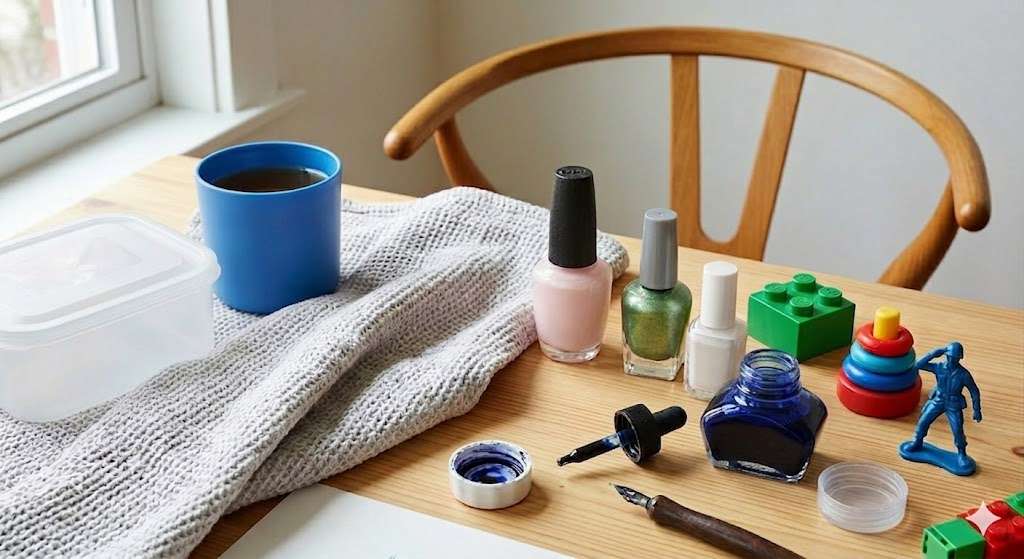
Oxybenzone is a very commonly used chemical filter in sunscreens.
But did you know it is also used in textiles, inks, nail polish, and food and beverage containers? And plastic toys and furniture?
In nail polishes, it acts as a stabilizer for the formula, and in objects like toys, food containers, and furniture helps prevent or reduce sun damage.
In textiles, it is used as a UV absorber for photoprotection, and in inks, it helps the ink dry faster and protects from fading.
Due to its widespread use, human exposure is very common, even if you do not use chemical sunscreens.
This post is in collaboration with Amazon, but all the product choices and opinions are my own.