

Navigating pregnancy-safe skincare can be complicated, but as a medical doctor with a focus on cosmetic ingredient safety, I’ve simplified the search for you. Visit my Skincare During Pregnancy – Begin Here guide for a full index of ingredient safety reviews, pregnancy and IVF-safe recommendations, and doctor-vetted product guides.
Today is about striae gravidarum, or pregnancy stretch marks, that affects up to 90% of women. Though not medically alarming, many might find it disfiguring or aesthetically unpleasant, and it can lead to emotional distress.
Appearing in the late second and early third trimester, it can affect not just the abdomen but also the back, buttocks, breast, thighs, and armpit area.
Quick Navigation
What causes stretch marks?
Stretch marks are a type of scar that occurs when the skin (dermis layer, specifically) is overstretched and shrinks quickly. This overstretching of the collagen and elastin in the dermis ruptures them, and as healing occurs, stretch marks appear. Using the best stretch mark cream for pregnancy or a stretch mark prevention cream can help support skin elasticity and potentially reduce the appearance of these marks.
One of the earliest signs of its development in pregnancy is itching.
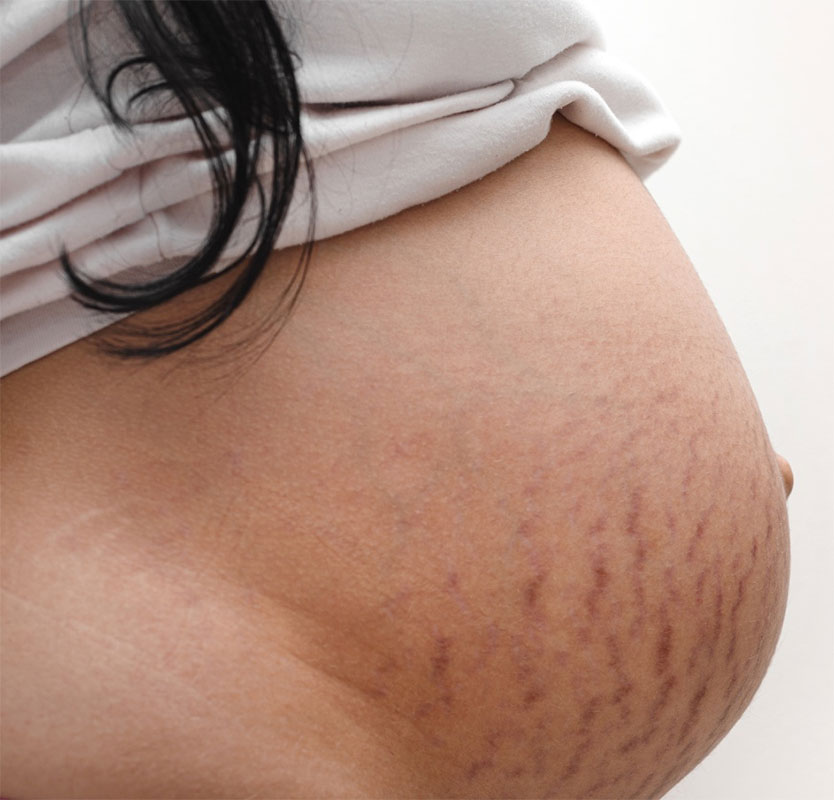
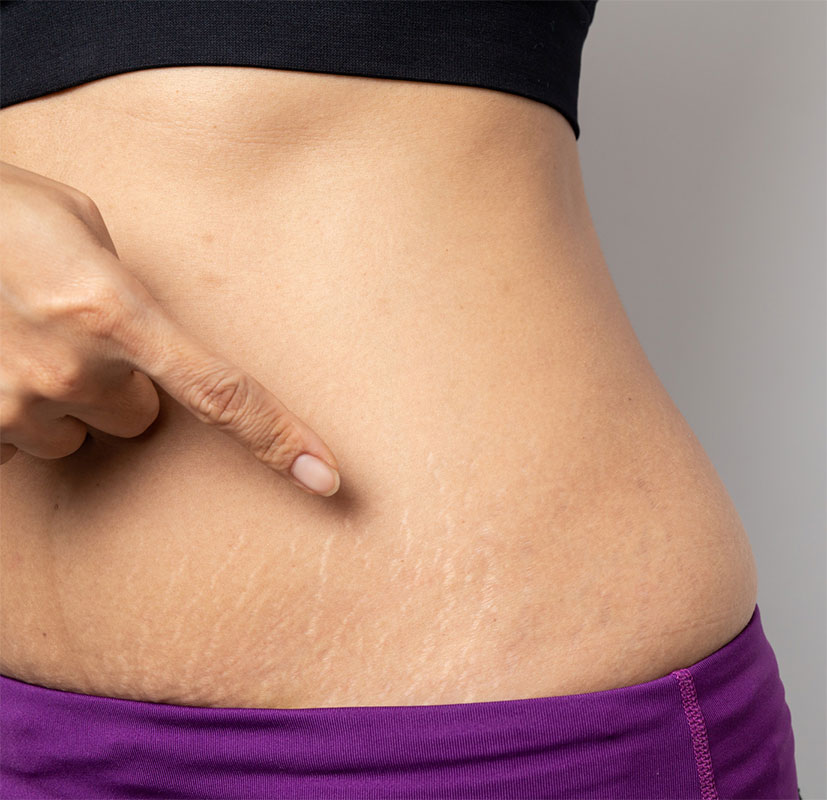
It initially presents as flat pinkish bands that, over time, widen, lengthen, raise, and become reddish-violet. Over months (about 6 months at least), these dark marks fade and become pale, wrinkly, and white and lie vertically on the abdomen. They may be associated with itchiness or a burning sensation.
What are the risk factors for developing it?
While attracting much interest and scientific studies, the exact cause remains to be determined.
Nevertheless, several risk factors have been identified that may increase your chances of developing it:
- The elasticity of your skin determines if and how many scars you develop. This is where your genetics come in; if your mother had them, chances are you, too, will.
- If you already have stretch marks, this increases your chances of developing them during pregnancy.
- Rapid and excessive weight gain during pregnancy makes you more prone to it.
- Studies have found striae to be more prevalent in smokers than in non-smokers.
- They are also, during pregnancy, more common in younger than older women, with teenagers at the highest risk.
- As the scars evolve, they gradually fade to a certain degree into a wrinkly, white texture, making them more prominent in people of color. A study also found it to be more common in them.
Can I completely avoid stretch marks?
There is no method that is 100% effective at stopping a pregnant woman from developing stretch marks. As the skin stretches, some amount of damage to the dermis layer of the skin is bound to occur, the extent of which shows individual variations.
Many creams and lotions claim that they prevent, reduce, or eliminate stretch marks, but studies prove otherwise.
As a consumer, it is important to be aware that the efficacy of these creams, oils, and lotions is limited.
Topical retinoids like tretinoin and retinol have been found in some studies to be effective. However, these are contraindicated in pregnancy.
Other modalities like lights and lasers, chemical peels, micro-needling, radiofrequency devices, platelet-rich plasma, and ultrasound massage therapy have been tried with mixed results. These modalities, however, are limited in their use during pregnancy due to safety concerns.
What can I do about it while I am pregnant?
Always check with your treating doctor before starting any regimen for stretch marks when you are pregnant.
Multiple therapeutic options have been described in scientific studies for managing stretch marks with variable results.
General measures
- Stay hydrated.
- Maintain a healthy diet, which is essential not just for you and your baby but also helps boost skin health.
- Maintain a healthy weight.
Topical preparations
As discouraging as this study sounds, there is no evidence supporting the effectiveness of topical preparations in preventing stretch marks during pregnancy. However, pregnancy-safe topical preparations are safe and help keep your skin hydrated and supple.
It is important to keep your expectations realistic as there are multiple variables, genetics being one important factor that you cannot change, that cause stretch marks.
Various oils and preparations have been described for use during pregnancy. You can use the topicals in any form- cream, oil, lotion- as you prefer.
Some commonly used actives are vitamin E, shea butter, almond butter, cocoa butter, olive oil, Centella extract, rosehip oil, etc.
Amongst the various topical agents, hyaluronic acid and topical retinoids have shown some promise.
However, topical retinoids should not be used during pregnancy and lactation – Can I Use Topical Retinoids In Pregnancy?
Centella Asiatica (Gotu Kola), a perennial herb found in Asia, Africa, and Australia, may help regenerate collagen and elastin. Studies have found topical usage of this herb to be helpful in the management of stretch marks.
Here is a list of non-toxic pregnancy-safe stretch mark creams for you to try:
Best Stretch Marks Creams & Oils In Pregnancy.
And here is my post on what I did that helped me go through my pregnancy with zero stretch marks:
How To Avoid Stretch Marks During Pregnancy: Proven Tips & Safe Products.
Safety tips on selecting products for stretch marks!
The market is flooded with over-the-counter lotions and potions for the management of stretch marks.
These scores of options can overwhelm you.
Some chemicals in your chosen stretch mark prevention product can harm your developing baby.
I have a whole list of chemicals that you should screen out when pregnant or while breastfeeding:
Part I: Pregnancy-safe Skincare- avoid these ingredients.
Part II: Pregnancy-safe Skincare- avoid these ingredients.
Safe Skincare for Nursing Moms- ingredients to avoid.
Are Parabens In Cosmetics Safe To Use?
You can use this to filter out products with potentially harmful ingredients.
Can I expect it to fade?
In a period of a few months (~6 to 12 months) post the birth of your baby, the marks will gradually fade to pale, wrinkly scars. However, typically, your skin will never go back to resembling the pre-pregnancy look.
As the scar fades to a paler shade, it can be more obvious in persons of color.
It is advisable to wait for this time period to let your scar settle down before you consider taking more drastic measures like a chemical peel or lasers for your stretch marks.
Trivia
Stretch marks happen not just with pregnancy or rapid weight loss and gain. They may also indicate an underlying illness like Cushing’s Syndrome, Marfan, or Ehlers-Danlos Syndrome, and may also occur with long-term use of potent topical corticosteroid preparations.