
Picking out pregnancy-safe skincare can seem complicated. I have an entire page on pregnancy beauty, dedicated to which skincare ingredients to avoid during pregnancy, breastfeeding, or IVF.
Today is about bakuchiol, which is increasingly being touted as not just a gentle and effective natural alternative to retinol but also, unlike the latter, safe for pregnancy and lactation. A quick search on the internet and the first page itself will show you multiple entries that state it is safe to.
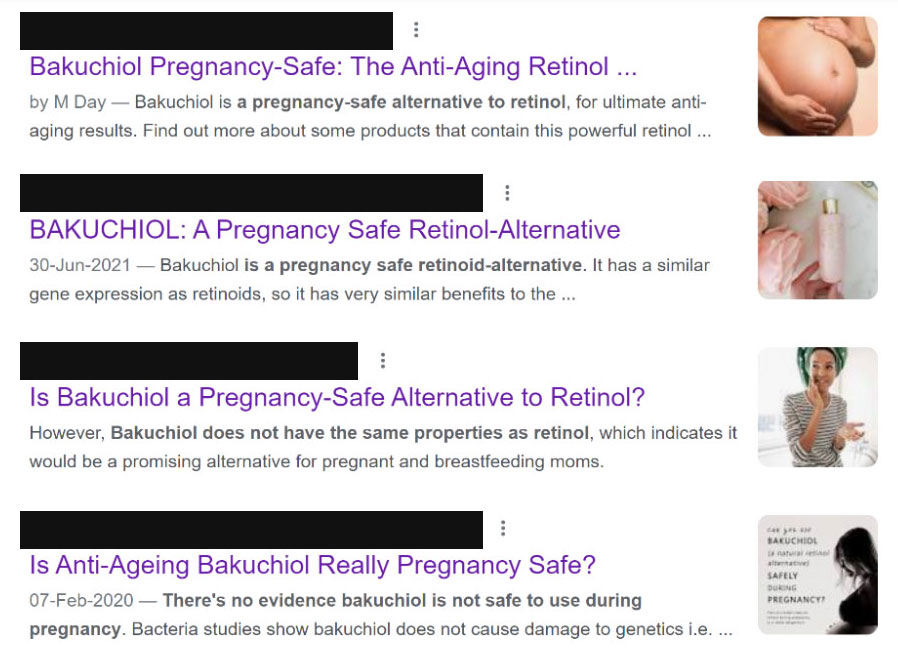
Is it really so, or is it just a marketing ploy that, if you fall for, you could potentially place your baby in harm’s way?
Quick Navigation
What is bakuchiol?
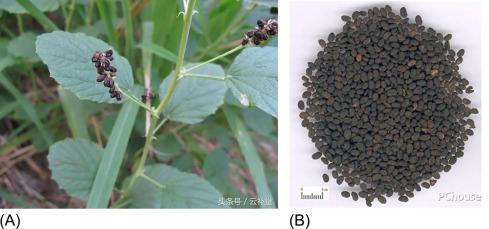
Source: Xuesheng Ma, Juliana Meredith; Science Direct.
Bakuchiol is a chemical extracted from the seeds and leaves of the plant Psoralea corylifolia and has been a part of ancient Chinese and Indian medicine systems.
Its first commercial use in modern times was in 2007 when it was introduced as Sytenol-A.
Bakuchiol, when applied topically, has been shown to increase cell turnover rate, have anti-aging benefits, improve sun-damaged skin, and reduce skin pigmentation- all the benefits that are seen with the use of retinol, but from a natural source.
The redness, itchiness, and irritation experienced with retinol are also much less reported with bakuchiol, leading it to be termed a natural and gentler alternative to retinol that can be used even on sensitive skin.
Numerous studies have confirmed this:
- A 12-week study comprising 44 patients comparing bakuchiol 0.5% and retinol 0.5% showed that both, in terms of reduction of hyperpigmentation and wrinkle reduction, performed equally. However, retinol users reported more side effects in the form of stinging and dryness.
- Sixty female patients, between 40 and 65 years, with mild to moderately photodamaged sensitive skin, used a bakuchiol-based cleanser and moisturizer. They not only showed good tolerance but also ‘improvement in visual smoothness, tactile smoothness, clarity, radiance, overall appearance, global anti-aging, and 16% increase in skin moisture content.’
Are bakuchiol and retinol the same?
No. Bakuchiol has no structural resemblance to retinol and is an entirely different chemical.
Thus, it is not retinol.
It, however, has a functional resemblance to retinol in that they have similar skin-improving effects as seen with retinol.
Being naturally derived, bakuchiol is thus known as a natural alternative to retinol.
(Note that all comparisons of the effectiveness of bakuchiol are with retinol, a gentle non-prescription retinoid found commonly in cosmetic creams. It will not replace stronger or prescription-based retinoids like adapalene or tretinoin.)
What is the concern with using bakuchiol in pregnancy?
It is well known that all retinoids, including retinol (which bakuchiol is always compared with), are contraindicated in pregnancy.
Is it safe to use retinol cream or any type of retinoid in pregnancy?
If you are wondering, despite being two unrelated chemicals, why bakuchiol is commonly put into the same category as retinol, the following are the reasons:
- Both show similar effects when used in skincare and thus are often clubbed together.
- When applied topically, both take the same pathway on gene expression as documented by this study: Bakuchiol – a retinol-like functional compound. Basically, at the cellular level, bakuchiol functions like retinol, a type of retinoid contraindicated in pregnancy.
Many brands make a bold claim that it is safe to use bakuchiol during pregnancy, which makes it seem like there is quite a lot of data on its safety.
The fact is that, so far, we have no studies about the effects of bakuchiol in pregnancy.
What we do know is that all retinoids are contraindicated in pregnancy, even milder ones like retinol.
Depending on the type of retinoid, it can be a Class C FDA ingredient, which means animal studies have shown adverse effects, and human malformations cannot be ruled out, e.g., adapalene and tretinoin, which are topical.
Or
Class X, meaning there is evidence of fetal malformation in the pregnant human population, e.g., tazarotene (topical), isotretinoin (oral)
To reiterate, bakuchiol takes the same gene pathway and expression as retinol and, thus, has a theoretical risk to the developing fetus.
Can bakuchiol be used while lactating?
Oral retinoids are not recommended for use during lactation.
Topical retinoids, however, are largely considered safe to use under medical guidance.
As for bakuchiol, that is considered a natural alternative to retinoids, we still do not have studies about its use while lactating (or while pregnant, for that matter).
How much bakuchiol will get into the breast milk from the application on the skin is not known, but probably it will be a small amount.
If you must use bakuchiol, discuss with your treating doctor the risk vs. benefit. Or better still, replace bakuchiol with other breastfeeding-friendly alternatives like vitamin C and azelaic acid (these two are also pregnancy safe).
Final verdict?
There is no clear or blanket ‘yes’ or ‘no’ about using bakuchiol in pregnancy.
Only concerns.
Unlike what many brands would state, there is no data about the safety of bakuchiol during pregnancy. Unless that happens, no chemical can be conclusively said to be safe for the pregnant human population.
What we do know is that both bakuchiol and retinol show their effects via the same pathway, and retinol (along with other retinoids) is contraindicated in pregnancy.
Pregnancy has a much higher threshold for risk vs. benefit, and the possible risks here outweigh the benefits.
The medical industry is still reeling from the Thalidomide Crisis of the 1960s, which prompted the USA and international regulatory authorities to develop protocols for toxicity testing. The 60s may seem a long time ago, but there are people still suffering from the severe deformities caused by maternal thalidomide ingestion for pregnancy morning sickness. The implications still resonate.
I used bakuchiol serum when pregnant. Now what?
Stop using it immediately.
Weaker retinoids like retinol, which work similarly to bakuchiol, so far, have no documented fetal anomalies associated with them.
Chances are that no harm has been done, and there is no need to worry.
In such situations where inadvertent exposure in pregnancy has occurred, the available data provide some reassurance that adverse pregnancy outcomes are unlikely.
However, inform your obstetrician so that follow-up visits and investigations like ultrasound can consider the fetal exposure to bakuchiol.
Takeaway
- Bakuchiol is a plant-derived chemical that has similar benefits to retinol without the side effects of the latter.
- Though structurally different from retinol, it takes the same pathways in the skin like retinol.
- So far, there has been no study on the effects of bakuchiol in pregnancy, but being a functional analog of retinol, which is contraindicated in pregnancy, caution is advised.
- If it was, however, used during pregnancy or lactation, chances are there has been no harm done. However, the treating doctor should be informed about the exposure.