Face washes are rinse-off products, so the risk is already low. Here is how to pick a gentle, pregnancy-safe cleanser that actually suits your skin type.
Navigating pregnancy-safe skincare can be complicated, but as a medical doctor focused on cosmetic ingredient safety, I’ve simplified the search for you. Visit my Skincare During Pregnancy: Begin Here guide for a full index of ingredient safety reviews, pregnancy, and IVF-safe recommendations, and doctor-vetted product guides.
During pregnancy, your skin changes as hormone levels fluctuate. Some may experience glowing skin, while others may experience undesirable changes, like increased skin sensitivity, oily skin, acne, and pigmentation marks.
Due to these changes, your usual products, such as face creams and face washes, may be too harsh or not the best match.
Face washes have a short contact time with the skin, unlike leave-on products, so the risk of absorption and harm to the fetus is lower. However, should you choose to be more cautious, there are many options available that are not only gentle but also pregnancy-safe.
Quick Navigation
The Verdict
Do you really need a pregnancy-safe face wash?
Not really! Because a cleanser is a rinse-off product, it stays on your face only briefly; thus, exposure is much lower than with a product like a face cream or serum.
You need not discard your face wash just because it is not marketed as ‘pregnancy-safe’.
That said, you might want to check the label to make sure it doesn’t contain ingredients like retinoids (common in anti-aging or anti-wrinkle face washes).
Also, since pregnancy hormones can alter your skin (for example, acne or eczema flaring), you might want to focus on a more suitable product.
Clean and Conscious
What this list leaves out
Before we get to the products, here is what every recommendation in this routine is free of, at the time of writing. These are the ingredients I screen out first, because some are genuinely worth avoiding during pregnancy and breastfeeding and others are simply unnecessary irritants for skin that is already more sensitive than usual.
Parabens, phthalates, triclosan, and benzophenone 3 (also known as oxybenzone) are all endocrine disruptors, meaning they can interfere with the normal functioning of the endocrine system and the reproductive and other biological processes it regulates.
Added fragrance is a rich source of phthalates and a common skin irritant, especially in pregnancy when hormonal changes can leave skin more sensitive and reactive than usual.
Formaldehyde and formaldehyde releasers have been linked to cancer and are also known skin irritants.
Retinoids are vitamin A derivatives that can cause abnormalities across multiple organ systems, which is why they are off-limits during pregnancy.
Always consult your treating doctor before starting any beauty regimen. They are the best people to guide you based on your needs and medical history.
Reminder: Companies frequently change their formulas, and ingredient lists may vary by country. Always check the ingredient list before deciding whether a face wash is pregnancy-safe.
How To Choose
How to choose a face wash based on your skin type
Choosing a pregnancy-safe face cleanser isn’t just about selecting the most expensive one. The best product depends on your skin type and concerns.
A basic tip when selecting a face wash is to opt for creamy cleansers if you have dry skin, or foaming cleansers if you have oily or acne-prone skin.
Normal skin: Your goal here is to maintain balance. A simple cleanser that supports the skin barrier is often the best choice. Gel, cream, or low-foaming cleansers are the best for this skin type.
Dry skin: Your goal here is to preserve and, if needed, repair the skin barrier. Creamy, lotion-based, or non-foaming cleansers are best for achieving this goal. Foaming cleansers may not be the best choice, as they may strip your skin of natural oils.
Sensitive skin: Your goal here is to keep your skin barrier protected. A gentle cleanser with minimal ingredients and soothing ingredients like colloidal oatmeal will work best. Be mindful of products with multiple botanical extracts, as they can be irritating.
Combination skin: With some areas feeling dry and others oily, a balanced cleanser with hydrating ingredients like glycerin, in a formula that doesn’t leave a greasy feel, is the best choice.
Oily, acne-prone skin: If you are already on acne treatment, a cleanser that balances the dryness it can cause is better suited. If you are not on any treatment, a medicated cleanser might be a good option.
Pick salicylic acid if you have oily skin with mostly blackheads and whiteheads.
Pick benzoyl peroxide if you tend to get red, inflamed pimples with pustules.
Eczematous skin: A soap-free cleanser free of irritating ingredients like fragrance and containing barrier-repair ingredients like glycerin and niacinamide will work best to supplement eczema treatment or help prevent aggravation.
The Picks
Quick recommendations
Best for normal skin
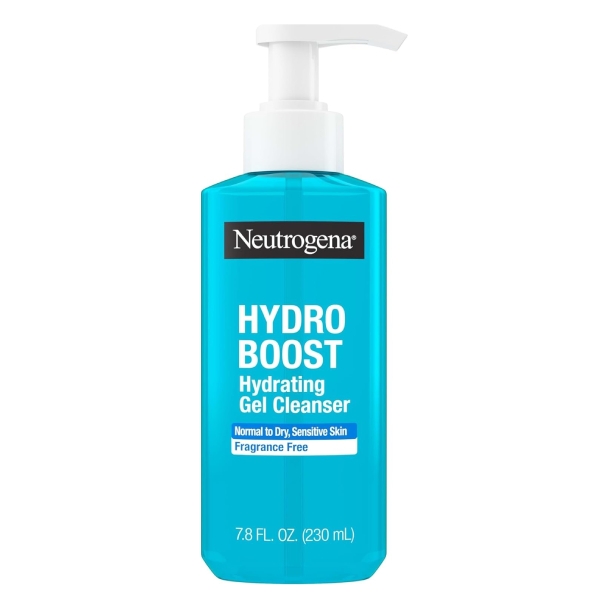
Why I recommend this: Sulfate-free cleanser that cleanses without the tight, stretchy feel, complemented with glycerin and hyaluronic acid to moisturize.
- Sulfate-free
Best for dry skin
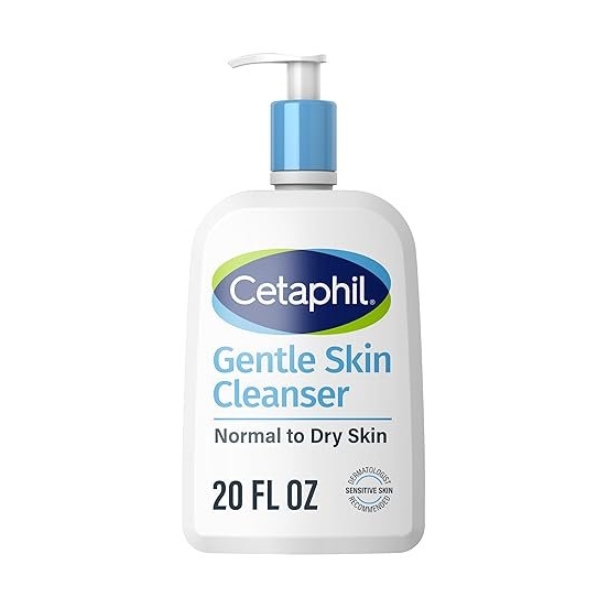
Why I recommend this: This creamy, lotion-like, non-foamy cleanser is a classic for dry skin. A small ingredients list that has effective ingredients like glycerin, niacinamide, and panthenol to hydrate and protect the skin barrier.
- Sulfate-free
Best for sensitive skin
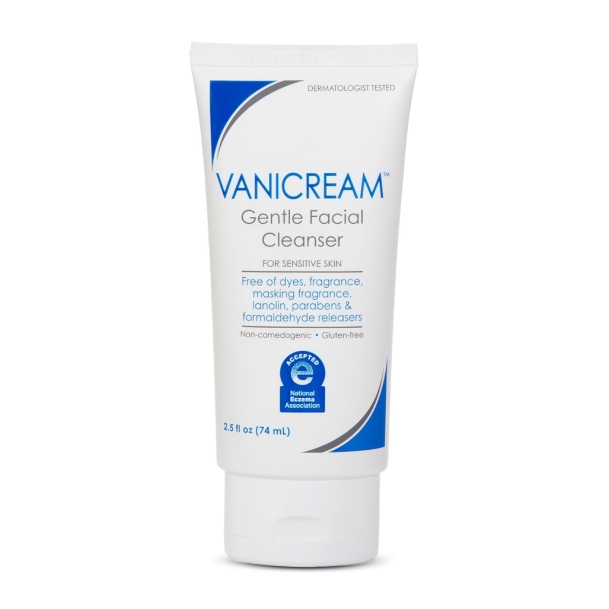
Why I recommend this: A short ingredients list with water and glycerin as the first two ingredients; it is also free of any botanical extract that may trigger sensitive skin, more so as your skin changes due to hormonal shifts in pregnancy. This gentle formula removes makeup too.
- Sulfate-free
- Labeled non-comedogenic and gluten-free
- Has NEA (National Eczema Association) seal
Best for combination skin
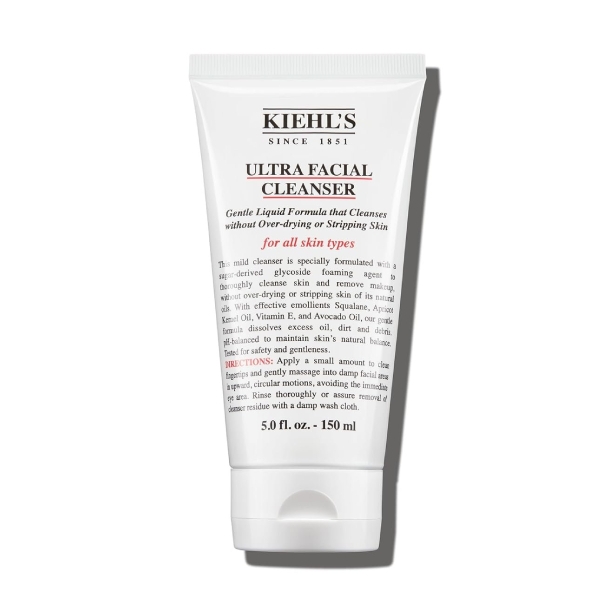
Why I recommend this: A hydrating, foaming gel cleanser balanced with emollients like glycerin and squalane, the formula removes daily oil buildup in the T-zone while remaining hydrating enough for drier areas on the cheeks.
- Sulfate-free
- Labeled non-comedogenic
Note: A personal favorite: this one works very well for my combination skin in Colorado summers.
Best for oily, acne-prone skin (non-medicated)
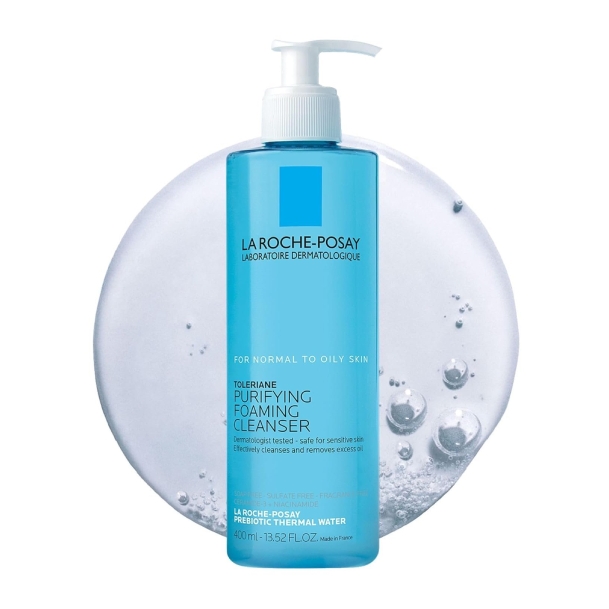
Why I recommend this: Foaming gel that removes oil, dirt, and makeup without drying out the skin due to its combination of glycerin, ceramides, and niacinamide.
- Sulfate-free
- Labeled non-comedogenic
Best for oily, acne-prone skin (medicated: salicylic acid)
Note: Pick salicylic acid if you have clogged pores with a bumpy texture, or if your acne is mostly blackheads and whiteheads. Your skin will feel dry with SA, so always use a suitable moisturizer to offset it.
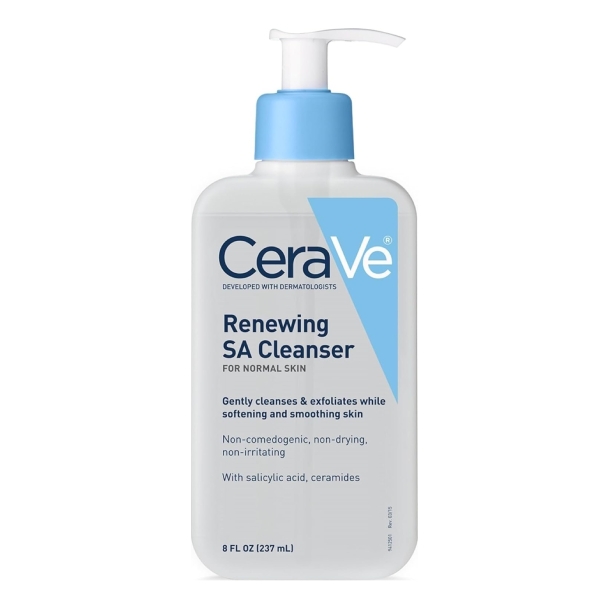
Why I recommend it: The SA in this is 0.5%, which is a perfect starting point. I would not recommend you start with a 2% (commonly available concentration) as it can be harsh and more so in pregnancy when your skin is more sensitive than usual. This pregnancy-safe cleanser also has ceramides, hyaluronic acid, and niacinamide to balance the dryness that SA can cause.
- It also has gluconolactone, a pregnancy-safe PHA with gentle exfoliating action that complements salicylic acid
- Sulfate-free
Learn more:
Pregnancy Safe Salicylic Acid Cleansers
Pregnancy-safe moisturizers for oily, acne-prone skin.
Best for oily, acne-prone skin (medicated: benzoyl peroxide)
Note: Choose benzoyl peroxide if your acne is red, inflamed pimples with pustules. Also, your skin will feel dry as the BPO starts to work its magic, so always use a suitable moisturizer to offset the dryness.
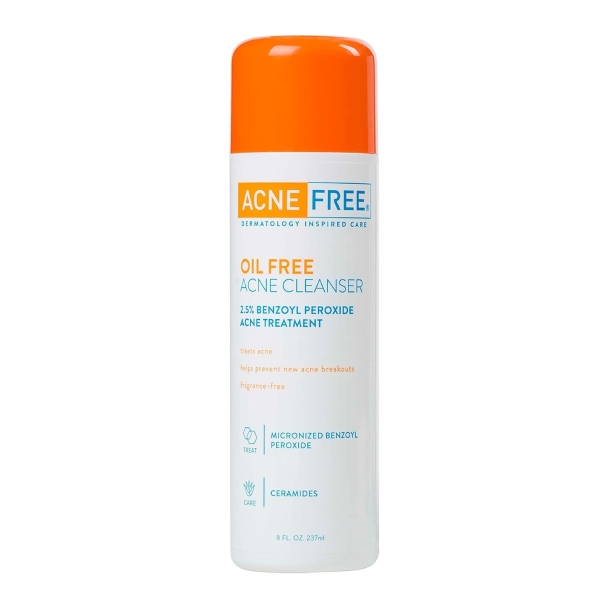
Why I recommend this: This has BPO at a lower concentration of 2.5% (which I recommend you start with) and is enriched with glycerin (the 2nd ingredient after water) and ceramides to support the skin barrier.
- Sulfate-free
Learn more:
Pregnancy-safe moisturizers for oily, acne-prone skin.
Best for eczematous skin
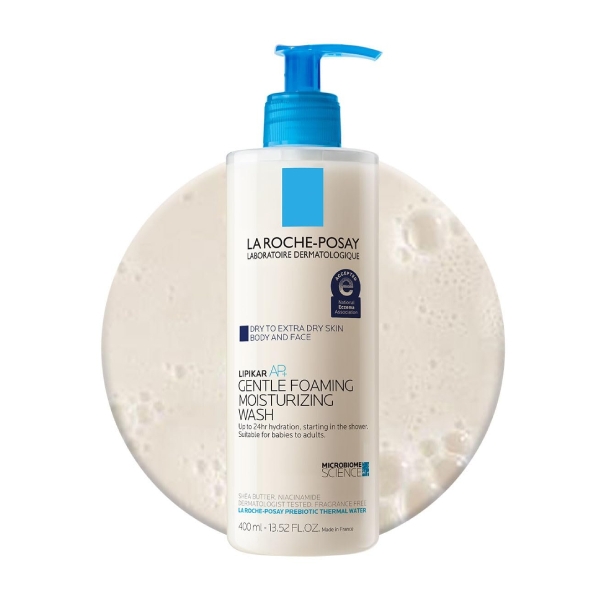
Why I recommend this: With rich ingredients like shea butter, niacinamide, and glycerin, it cleanses without stripping the skin barrier, soothes skin, and calms inflammation.
- Has the NEA (National Eczema Association) seal
More Pregnancy-Safe Cleansers
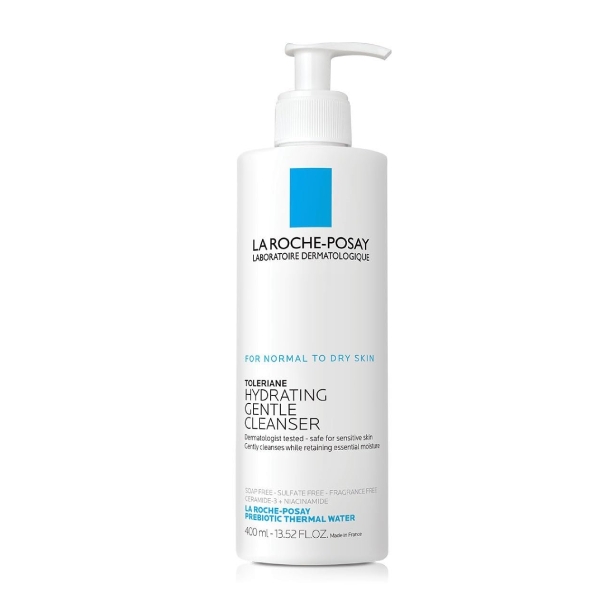
Normal to dry skin
- Non-foaming creamy texture
- Sensitive skin suitable
- Sulfate-free
- With ceramide and niacinamide
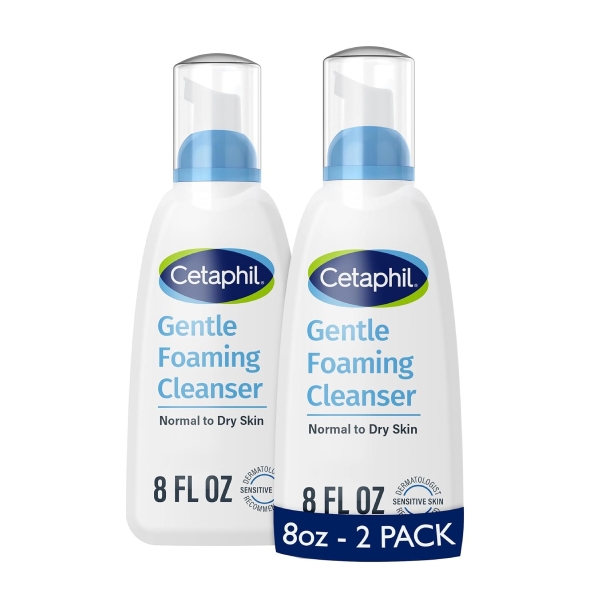
- Instant foaming formula
- Sensitive skin suitable
- Non-comedogenic
- With glycerin, vitamin E, and panthenol (vitamin B5)
- Non-foaming creamy cleanser
- Non-comedogenic
- With ceramides, hyaluronic acid, glycerin
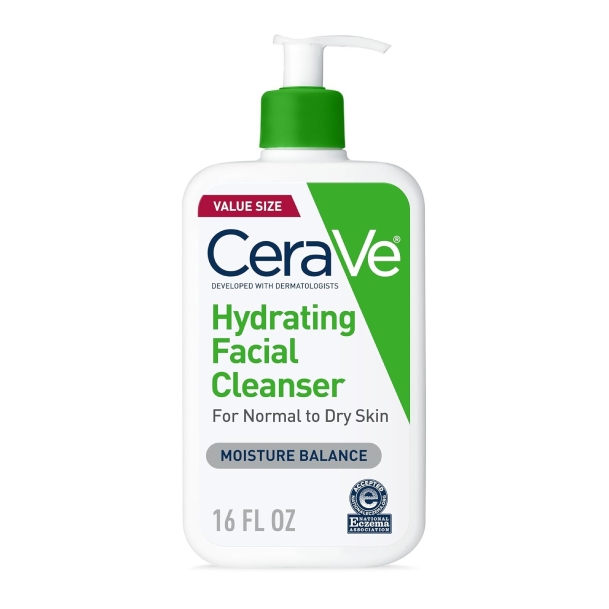
- Cream-to-foam formula
- With olive oil, cocoa butter, and mint
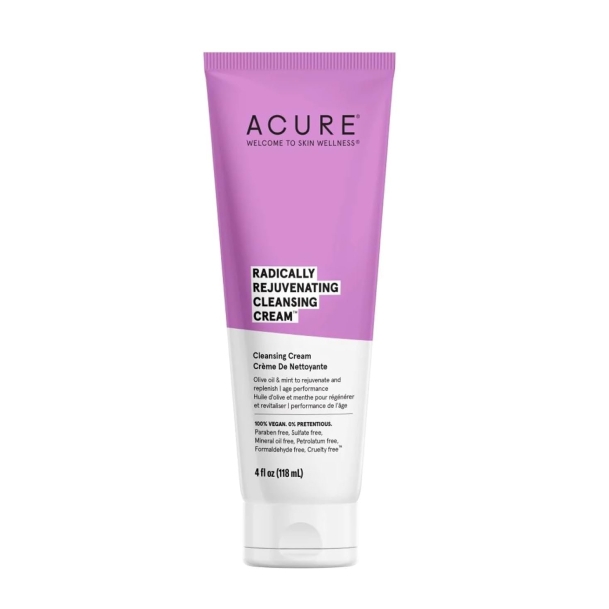
- Creamy non-foaming formula
- Removes makeup and supports the skin barrier
- Vegan and cruelty-free
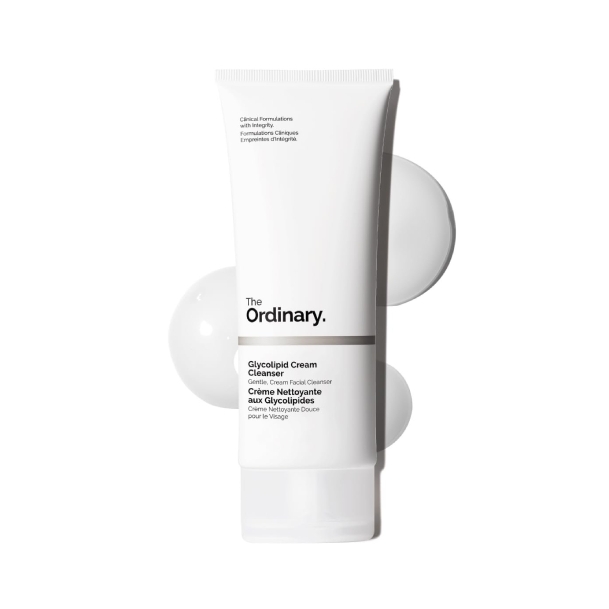
More Pregnancy-Safe Cleansers
Oily or combination skin
- Gel-to-foam formula
- Non-comedogenic
- With niacinamide, glycerin, and panthenol
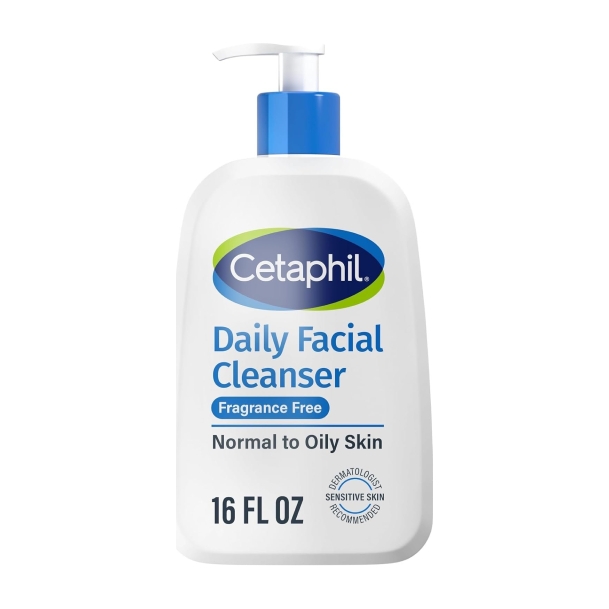
- Foaming gel cleanser
- Non-comedogenic
- With ceramides, hyaluronic acid, niacinamide
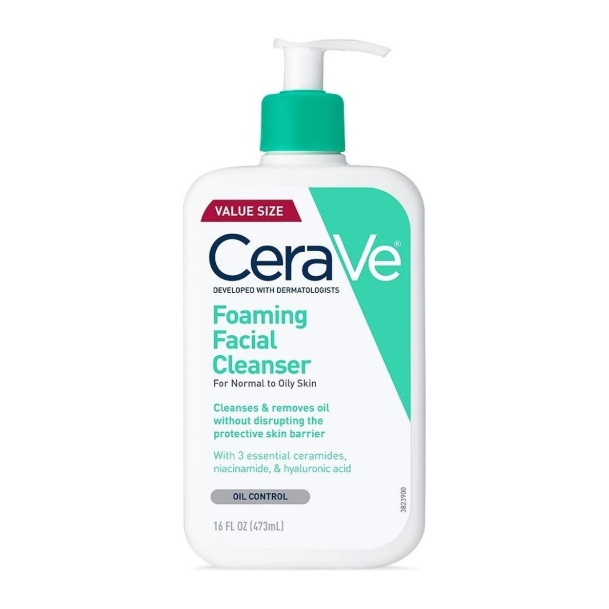
- Cream-to-foam formula
- Non-comedogenic
- With hyaluronic acid, ceramide, and aloe
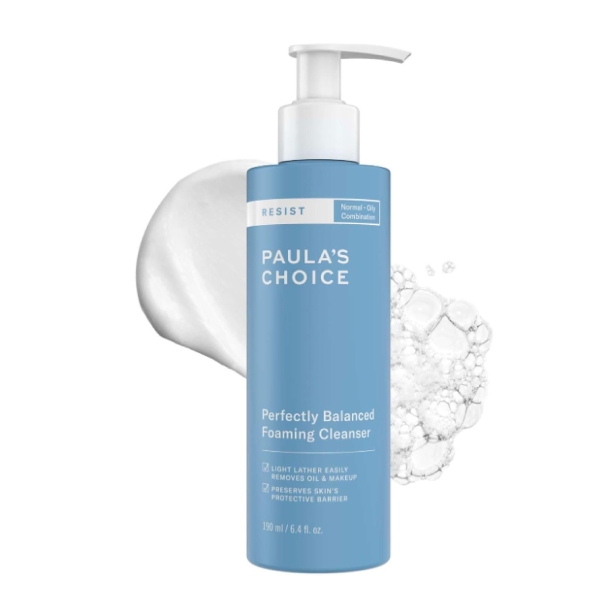
- For combination skin
- Gel-to-foam formula
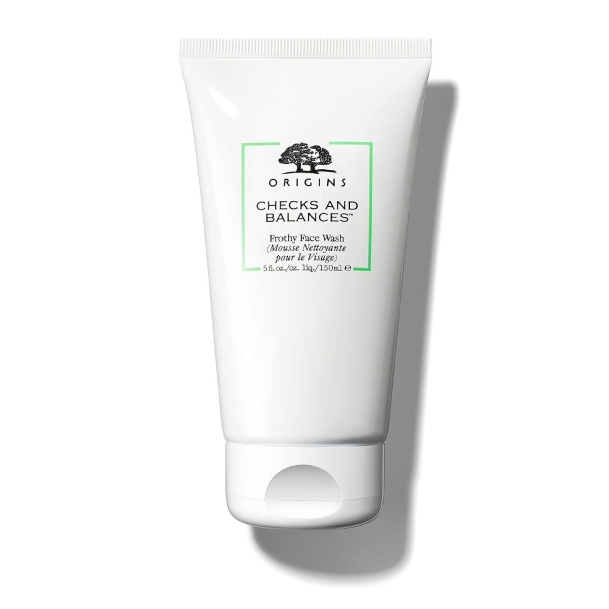
More Pregnancy-Safe Cleansers
Dry skin
- Also suitable for very dry to dry combination skin
- Cream-to-foam formula
- With hyaluronic acid and glycerin
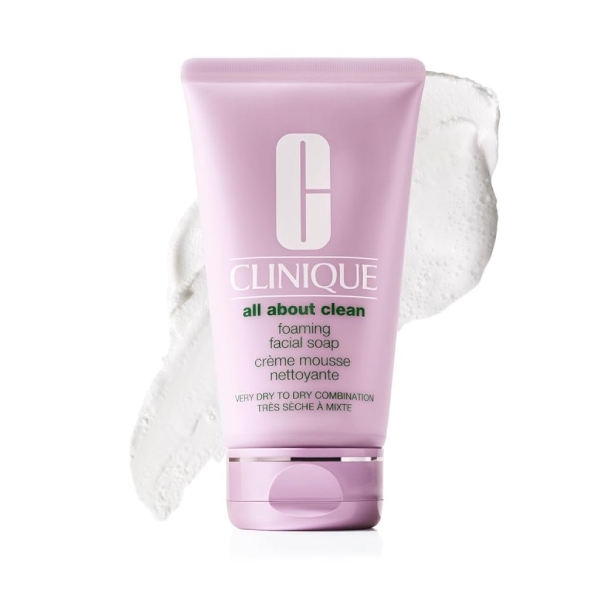
- Also suitable for very dry to dry combination skin
- Non-comedogenic
- No-water-required cleansing milk, wipe off or rinse off
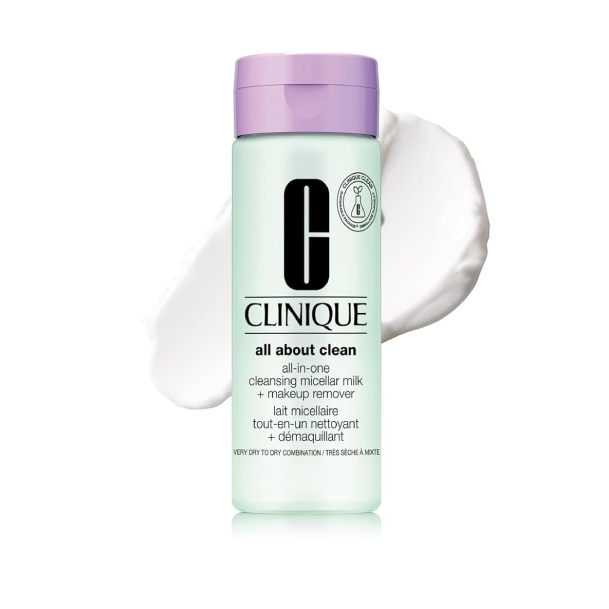
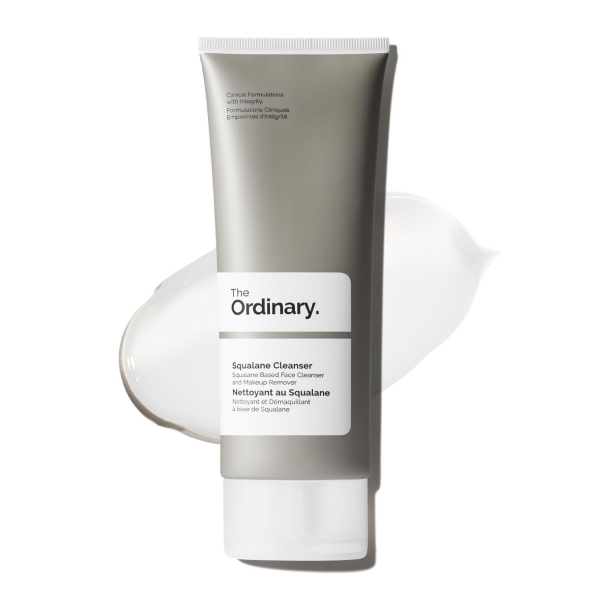
- Balm to oil-like formula
- Removes makeup
- Silicone and oil-free
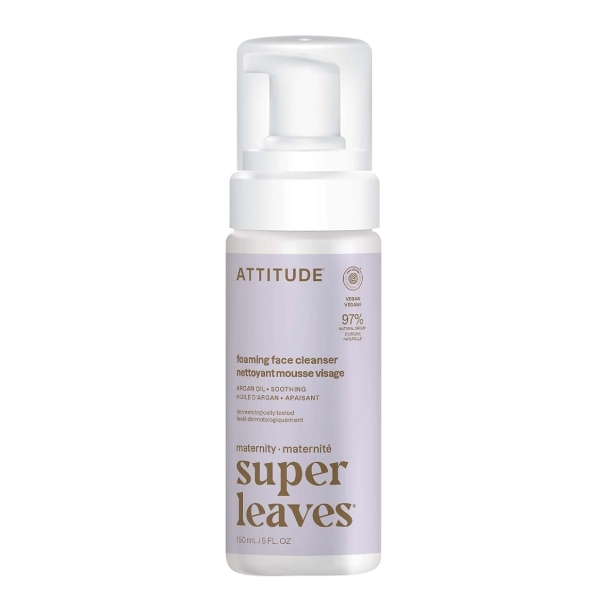
- Micellar foaming formula
- 96% natural ingredients
- Vegan
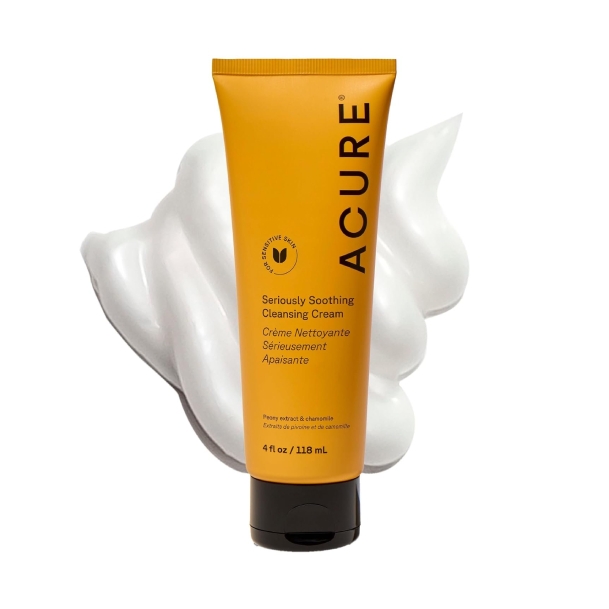
- Creamy formula
- Sensitive skin suitable
- With peony, chamomile, sunflower
- Cream-to-foam formula
- Sensitive and eczema-prone skin suitable
- Non-comedogenic
- With amino acids, squalane, and glycerin
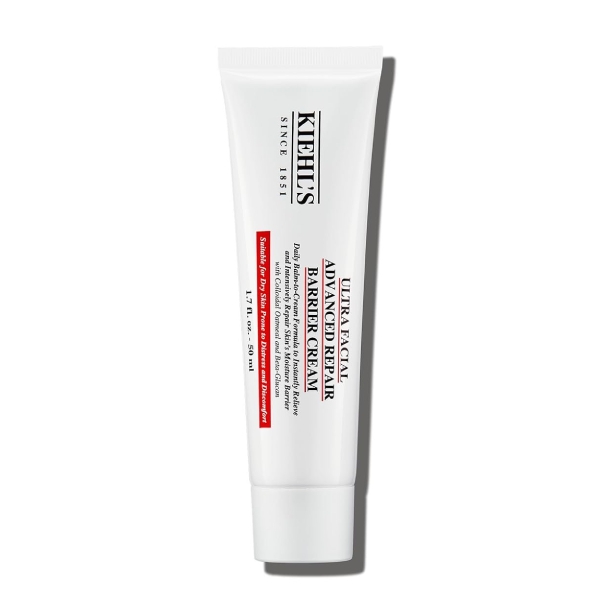
More Pregnancy-Safe Cleansers
Oily skin
- Cream-to-foam formula
- Also suitable for breakout-prone skin
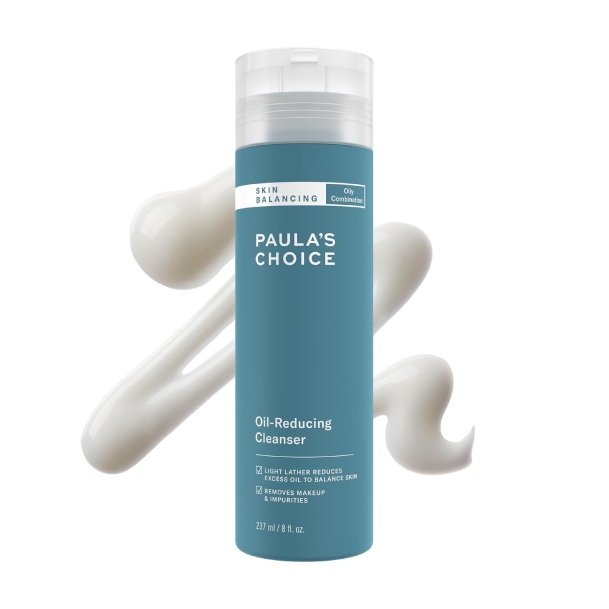
- Gel-to-foam formula
- For textural irregularities and skin barrier repair
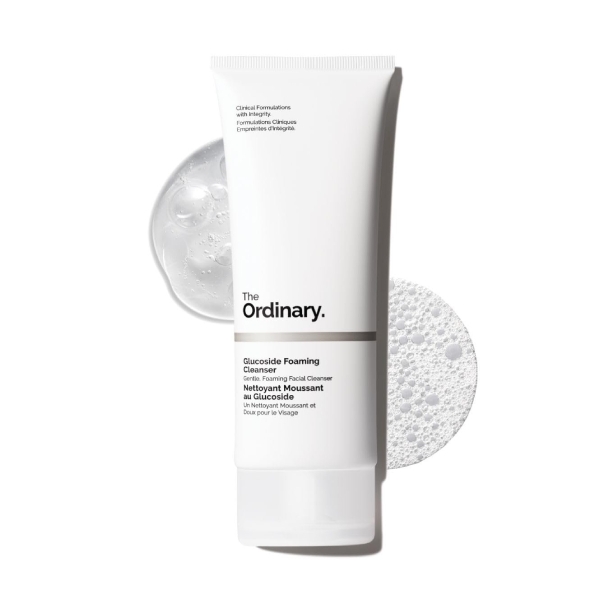
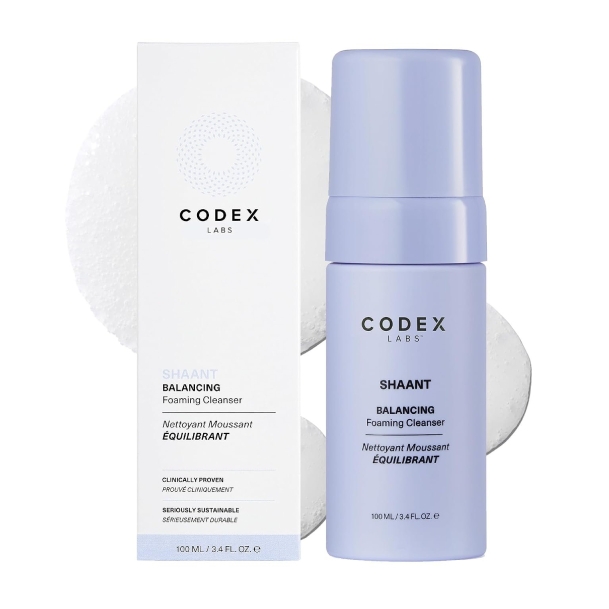
- Foaming formula
- Also suitable for blemish-prone skin
- With tea tree oil, aloe, and shea
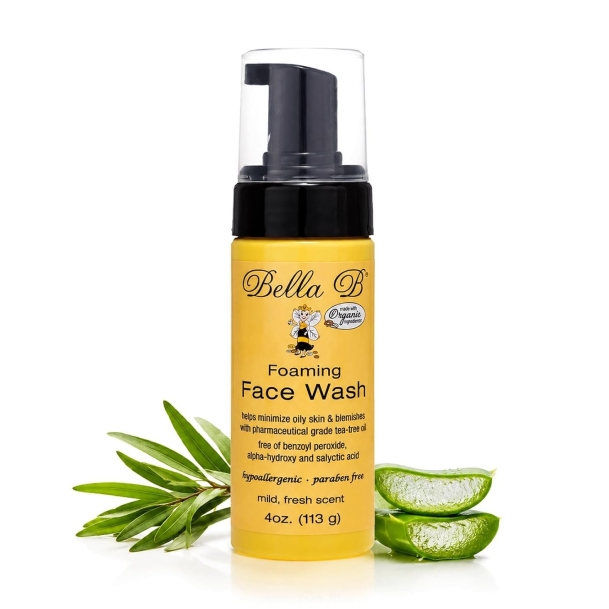
- Foaming formula
- Non-comedogenic
- With glycolipids and holy basil
FAQ
Frequently asked questions
Is face wash safe during pregnancy?
Most face washes are generally considered compatible with pregnancy because they are rinse-off products with relatively short contact time. However, always check the ingredient list before use.
What face wash ingredients should I avoid during pregnancy?
This guide screens out ingredients including retinoids, added fragrance, formaldehyde and formaldehyde releasers, parabens, phthalates, triclosan and benzophenone 3 (oxybenzone).
Do I need a pregnancy-safe face wash?
Not necessarily. Because face washes are rinse-off products, exposure is generally lower than with leave-on skincare. However, you may choose a different cleanser if your skin has become more sensitive or if your current cleanser contains an ingredient you want to avoid.
What is the best face wash for dry skin during pregnancy?
A creamy, lotion-based or non-foaming cleanser is generally a better choice for dry skin because it can cleanse without stripping as much natural oil from the skin.
What is the best face wash for sensitive skin during pregnancy?
A gentle cleanser with a minimal ingredient list and soothing, barrier-supporting ingredients can be a good option for sensitive skin.
Can I use salicylic acid face wash during pregnancy?
The article recommends a 0.5% salicylic acid cleanser as a starting option for oily skin with blackheads and whiteheads. If you are pregnant or have concerns about using an active ingredient, discuss your individual situation with your healthcare provider.
Can I use benzoyl peroxide face wash during pregnancy?
This guide recommends a 2.5% benzoyl peroxide cleanser for red, inflamed pimples with pustules. Because acne treatment during pregnancy can depend on your individual circumstances, consult your healthcare provider if you have questions about using benzoyl peroxide.
Please Note
Medical disclaimer
This article is for educational purposes only and does not replace medical advice. Consult your healthcare provider before making changes to your skincare routine during pregnancy or breastfeeding, especially when using medicated or active skincare products.
Sponsored post: This post is in collaboration with Amazon, but all the product choices and opinions are my own. See our disclosure.
Not sure which cleanser suits your skin now?
Pregnancy can change your skin type from one trimester to the next. If you would like a doctor-vetted look at a face wash’s ingredient list, or help matching a cleanser to how your skin is behaving right now, I would love to help.