The best pregnancy-safe vitamin C serums for healthy, glowing skin: Doctor-curated and free of ingredients to avoid.
Navigating pregnancy-safe skincare can be complicated, but as a medical doctor with a focus on cosmetic ingredient safety, I’ve simplified the search for you. Visit my Skincare During Pregnancy: Begin Here guide for a full index of ingredient safety reviews, pregnancy and IVF-safe recommendations, and doctor-vetted product guides.
Today, we discuss Vitamin C: an antioxidant that increases collagen production, tackles melasma (pregnancy-induced hyperpigmentation), helps combat free radicals, and helps with pigmented acne scars.
And yes, it is pregnancy-safe.
For more information on using vitamin C safely during pregnancy, read:
Is Vitamin-C Serum Safe During Pregnancy?
If you are looking for the best pregnancy-safe vitamin C serum, the most important thing is choosing a stable formulation that suits your skin type. Whether your goal is managing melasma, improving skin radiance, supporting collagen production, or reducing post-acne marks, there are excellent pregnancy-safe options available.
Topical vitamin C formulations have had many issues, including being highly unstable and thus quickly inactivated, causing skin irritation, and being costly. Over time, these issues have been fixed. Vitamin C preparations are now stabilized, come in various formulations and combinations, for example with moisturizers and sunscreen, and are sold at many price points. A good pregnancy-safe vitamin C serum works best when used consistently and stored correctly to maintain its stability.
Quick Navigation
How To Use
Tips for getting the most out of your vitamin C serum
Always keep your vitamin C serum in a cool, dark place and away from direct heat or sunlight. If you live in a hot place, storing it in the refrigerator is better than keeping it on the counter.
Always close the container tightly to limit exposure.
If the serum changes color, smells off, changes texture, or separates into different components, it is a sign that the vitamin C is degrading, and you are better off discarding it.
Keep an eye out for the “best by” or “use within X months of opening” note that will be mentioned on the label. Once opened, the serum will typically last 3 to 6 months, depending on the product. If you do not intend to use it regularly (which you should, to get the maximum benefit from vitamin C), buy a smaller bottle.
What These Recommendations Avoid
What this list is free of
Before we get to the products, here is what every recommendation in this routine is free of, at the time of writing. These are the ingredients I screen out first, because some are genuinely worth avoiding during pregnancy and breastfeeding and others are simply unnecessary irritants for skin that is already more sensitive than usual.
Parabens, phthalates, triclosan, and benzophenone 3 (also known as oxybenzone) are all endocrine disruptors, meaning they can interfere with the normal functioning of the endocrine system and the reproductive and other biological processes it regulates.
Added fragrance is a rich source of phthalates and a common skin irritant, especially in pregnancy when hormonal changes can leave skin more sensitive and reactive than usual.
Formaldehyde and formaldehyde releasers have been linked to cancer and are also known skin irritants.
Retinoids are vitamin A derivatives that can cause abnormalities across multiple organ systems, which is why they are off the table during pregnancy.
Always consult your treating doctor before starting any beauty regimen. They are the best people to guide you based on your needs and medical history.
You can build your own list of pregnancy-safe vitamin C serums. To know which ingredients should be eliminated during such life events, you can go through the following posts:
Part I: Pregnancy Safe Skincare: Avoid These Ingredients
Part II: Pregnancy Safe Skincare: Avoid These Ingredients
Reminder: Companies frequently change their formulas, and ingredient lists may vary by country. Hence, always check the ingredient list before deciding whether it is a pregnancy-safe vitamin C serum.
How to Choose the Best Pregnancy Safe Vitamin C Serum
Choosing a vitamin C serum is not just about selecting the highest concentration. The best product depends on your skin type, the form of vitamin C used, and how well your skin tolerates active ingredients.
Normal skin: L-ascorbic acid formulas are usually well tolerated.
Dry skin: Oil-based derivatives such as THD Ascorbate provide hydration with less irritation.
Sensitive skin: Gentler derivatives like Magnesium Ascorbyl Phosphate (MAP) or THD Ascorbate are often preferred.
Oily or acne-prone skin: Lightweight, water-based formulations help minimize shine while brightening the skin.
Top Picks
Quick Recommendations
Short on time? If you are looking for the best pregnancy-safe vitamin C serum for your skin type, here is a quick summary of my top recommendations.
BEST OVERALL
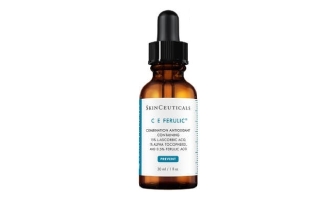
Vitamin C as 15% L-ascorbic acid
Why I recommend this: The gold standard in the industry, backed by concrete research, with added ferulic acid and vitamin E. Ideal if your primary concerns are melasma, dullness, fine lines, and collagen support. However, if you have oily, acne-prone skin, this might not be the first choice for you, as the vitamin E in this is in a tacky base, which can be pore-clogging.
Note for Sensitive Skin: L-ascorbic acid formulations need a low, highly acidic pH that can trigger stinging and redness in reactive or compromised skin barriers, so look for gentle, non-acidic alternatives like Tetrahexyldecyl (THD) Ascorbate or Magnesium Ascorbylphosphate (MAP) if you fall in this group.
BEST OVERALL, BUDGET
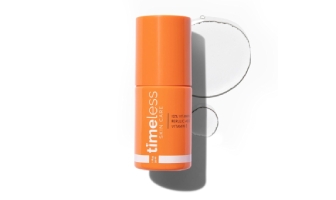
Vitamin C as 10% or 20% L-ascorbic acid
Why I recommend this: Same ingredients as the SkinCeuticals version at a much lower cost. Unlike the tacky texture of the SkinCeuticals version, this one has a thin, watery consistency, which makes it suitable even for oily skin.
Note for Sensitive Skin: L-ascorbic acid formulations need a low, highly acidic pH that can trigger stinging and redness in reactive or compromised skin barriers, so look for gentle, non-acidic alternatives like Tetrahexyldecyl (THD) Ascorbate or Magnesium Ascorbylphosphate (MAP) if you fall in this group.
BEST FOR DRY SKIN
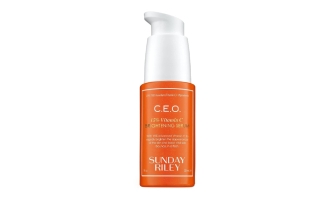
Vitamin C as 15% tetrahexyldecyl ascorbate
Why I recommend this: A milky lotion enriched with squalane, deep humectants, and skin-barrier support. Formulated with 15% THD Ascorbate, a highly stable, non-acidic form of vitamin C, it delivers brightening without the bite. Because it does not require the low pH of traditional L-ascorbic acid, it eliminates the stinging and peeling often experienced by dry skin.
BEST FOR OILY, ACNE-PRONE SKIN
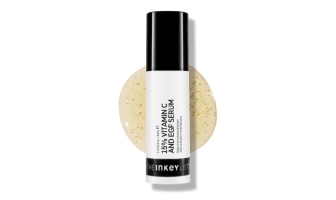
Vitamin C as 15% ascorbyl glucoside
Why I recommend this: Honestly, this formula is more “safe for oily, acne-prone skin” than “targeted at oily, acne-prone skin”: it will not reduce sebum or actively treat acne. Ideally, a formula for oily, acne-prone skin would include salicylic acid (yes, it is pregnancy-safe at low concentrations). Still, despite searching, I have not found a product that combines vitamin C and salicylic acid while keeping every other ingredient pregnancy-safe. So instead, I am recommending this as it is non-comedogenic, lightweight, fast-absorbing, and it includes plant-based peptides to support skin elasticity.
My workaround: pair this with a separate salicylic acid serum. Start with a low percentage, that is usually enough to see benefit without overdoing it during pregnancy.
Learn more: Is salicylic acid in skincare pregnancy safe?
Pregnancy-safe salicylic acid serums.
BEST FOR SENSITIVE SKIN
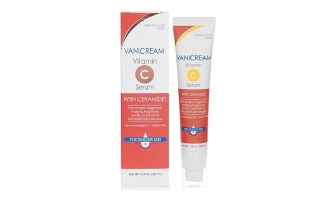
Vitamin C as tetrahexyldecyl ascorbate
Why I recommend this: This formula bypasses potentially irritating L-ascorbic acid in favor of tetrahexyldecyl ascorbate, a gentler, more stable, and better-tolerated form of vitamin C. It is also free of botanical extracts, essential oils, and fragrance, which can otherwise irritate sensitive skin. The formula is labeled non-comedogenic and gluten-free, with a lightweight, non-greasy texture that absorbs quickly.
BEST FOR NORMAL SKIN
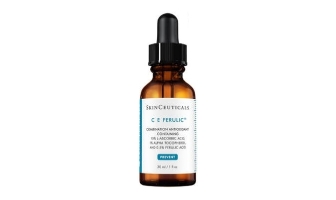
Or
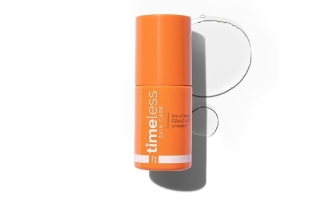
Vitamin C as 10 to 20% L-ascorbic acid (depending on your brand pick)
Why I recommend this: Combining L-ascorbic acid (the gold standard of vitamin C) with vitamin E and ferulic acid creates a powerhouse trio that brightens the complexion and supports collagen production. Because normal skin types typically tolerate the lower, acidic pH required to keep pure vitamin C stable, they can fully benefit from this specific combination. Backed by extensive clinical research, the C + E + Ferulic acid blend remains the gold standard for maximum antioxidant protection.
BEST FOR COMBINATION SKIN
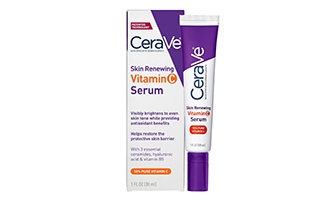
Vitamin C as 10% L-ascorbic acid
Why I recommend this: The 10% L-ascorbic acid concentration is effective while being gentler than higher-strength formulas. Ceramides, vitamin B5, and hyaluronic acid in the formula help hydrate dry areas without making the T-zone feel greasy.
More Pregnancy-Safe Vitamin C Serums
- Vitamin C as 15% ascorbic acid
- With vitamin E and ferulic acid, antioxidants that increase the stability of vitamin C
- Also has hyaluronic acid and peptide
- Free of gluten and sulfate, and cruelty-free
- Best for normal skin, combination skin, and non-reactive dry skin
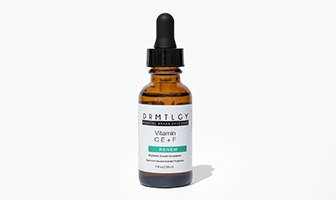
- Vitamin C as sodium ascorbyl phosphate
- With hyaluronic acid to hydrate and pearl for glow
- Cruelty-free, vegan
- Best for sensitive skin
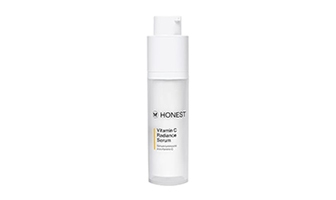
- Vitamin C as 15% ascorbic acid
- With vitamin E and ferulic acid, antioxidants that increase the stability of vitamin C
- Cruelty-free
- Best for normal, combination skin, non-reactive dry skin
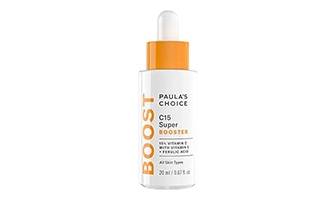
- Two forms of vitamin C: Tetrahexyldecyl Ascorbate and Ascorbyl Glucoside
- With glutathione, an antioxidant and a skin brightener
- Labeled non-comedogenic
- Cruelty-free
- Best for dry skin and sensitive skin
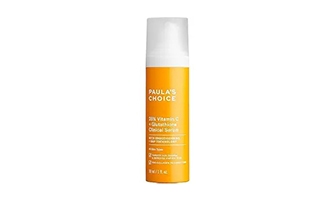
- Vitamin C as 12% ascorbyl glucoside
- Water-based serum
- Free of alcohol, silicon, and gluten. Vegan & cruelty-free
- Best for all skin types, especially sensitive or acne-prone skin
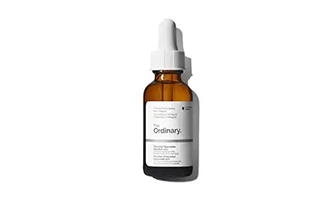
- Vitamin C as ascorbyl tetraisopalmitate
- Formulated in oil to hydrate and brighten. With essential fatty acids
- Vegan, free of gluten, alcohol, and silicon. Cruelty-free
- Best for dry, dehydrated skin or sensitive skin
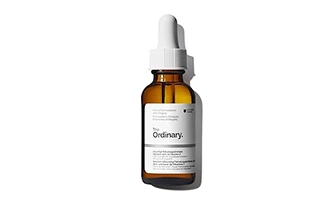
- Vitamin C as sodium ascorbyl phosphate
- With vitamin E, an antioxidant that stabilizes vitamin C and extends its shelf life
- Cruelty-free
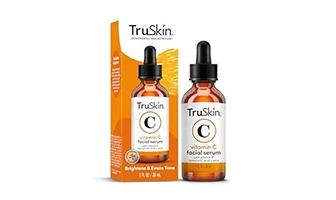
- Best for combination, oily, acne-prone skin due to its watery base. Use with care if you have dry, sensitive, or eczema-prone skin, as it has multiple botanicals like witch hazel, horsetail, and dandelion, which can trigger irritation in susceptible individuals
FAQs About Pregnancy-Safe Vitamin C Serums
Is vitamin C serum safe to use during pregnancy?
Yes. Topical vitamin C is generally considered safe during pregnancy. It helps brighten the skin, supports collagen production, and may reduce pregnancy-related hyperpigmentation such as melasma. Always choose a pregnancy-safe formula and consult your healthcare provider if you have concerns.
How do I choose the best pregnancy-safe vitamin C serum?
Choose a serum based on your skin type rather than simply selecting the highest vitamin C percentage. L-ascorbic acid remains the most researched form of vitamin C, while THD Ascorbate, Magnesium Ascorbyl Phosphate (MAP), and Ascorbyl Glucoside are gentler alternatives for dry or sensitive skin.
Can vitamin C serum be used with niacinamide during pregnancy?
Yes. Vitamin C and niacinamide can safely be used together during pregnancy. They complement each other by supporting the skin barrier, improving uneven skin tone, and helping reduce the appearance of pigmentation.
Can vitamin C serum help treat pregnancy melasma?
Yes. Vitamin C can help fade pregnancy melasma by reducing excess pigment production and protecting the skin from free radical damage. For best results, pair it with a broad-spectrum sunscreen every morning.
Which form of vitamin C is best during pregnancy?
L-ascorbic acid is the most researched form of vitamin C, while THD Ascorbate, Magnesium Ascorbyl Phosphate (MAP), and Ascorbyl Glucoside are gentler alternatives that work well for sensitive or dry skin during pregnancy.
Can I use vitamin C serum every day while pregnant?
Yes. Most pregnancy-safe vitamin C serums can be used once daily, preferably in the morning after cleansing. Follow with a moisturizer and sunscreen to maximize skin protection and brightening benefits.
What ingredients should I avoid in a vitamin C serum during pregnancy?
Choose a vitamin C serum that is free from ingredients generally avoided during pregnancy, including retinoids, oxybenzone, formaldehyde-releasing preservatives, triclosan, phthalates, and parabens. If you have sensitive skin, fragrance-free formulas are also a good choice.
Can I use vitamin C serum while breastfeeding?
Yes. Topical vitamin C is generally considered safe while breastfeeding because very little is absorbed into the bloodstream. However, avoid applying skincare products directly to the nipple area before nursing unless advised by your healthcare provider.
Sponsored post: This post is in collaboration with Amazon, but all the product choices and opinions are my own. See our disclosure.
Questions about vitamin C in pregnancy?
If you would like a quick, doctor-vetted review of a serum’s ingredient list, or help choosing the right vitamin C form for your skin type, I would love to help.