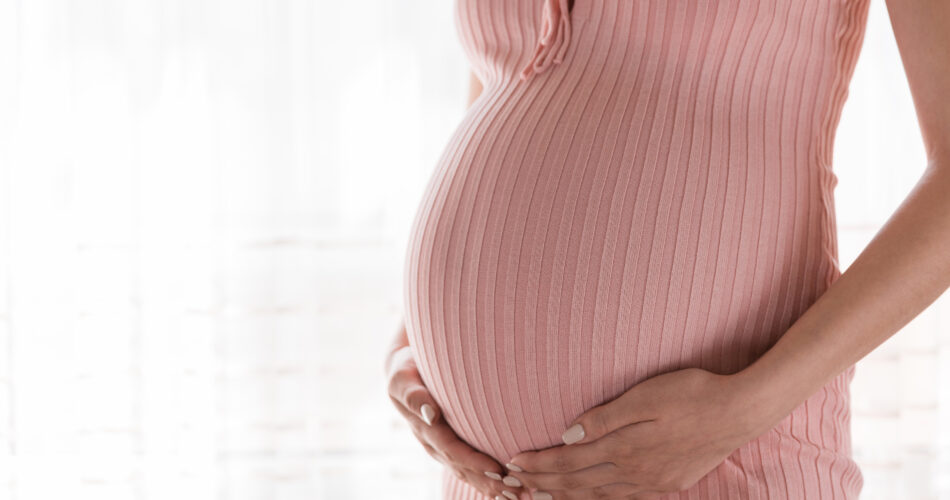
Picking out pregnancy-safe skincare can seem complicated. I have an entire page on pregnancy beauty, dedicated to which skincare ingredients to avoid during pregnancy, breastfeeding, or IVF.
Today is about the safety of spray tans while pregnant.
Pregnancy is no exception to wanting to look like a million bucks, and a tanned look can make you feel that way. You may even consider getting one for your pregnancy photoshoot—but are spray tans safe during pregnancy, and can you use self-tanner while pregnant?
Quick Navigation
What is the chemical in tanning sprays?
Dihydroxyacetone (DHA) is the chemical that you will find in sunless tanning products.
It is meant only for external application.
DHA is often combined with additives like moisturizers, fragrances, and preservatives.
Are tanning sprays pregnancy-safe?
DHA, used for spray tanning, is the only FDA-approved chemical.
This study found that the systemic absorption of DHA at 0.5% is minimal and deemed safe to use during pregnancy.
However, if you are concerned, you could skip it in the first trimester, which is the period of organogenesis during which your baby’s organ systems are just forming and are most vulnerable to exposure to potentially harmful chemicals.
Also, though DHA may be safe by itself, the product you buy may contain certain other chemicals that are not pregnancy-safe. You may want to read the ingredients list closely to determine if it is a pregnancy-safe spray tan.
Here is a list of pregnancy-safe tanning options:
Pregnancy-safe tanning lotions and self-tanners.
Don’t forget to check in with your physician and read the ingredients list carefully, as companies often change their ingredients.
I have two blogs dedicated to chemicals that are unsafe to use while pregnant, which I will link here. You can go through the posts to determine if your product can be considered a pregnancy-safe spray tan:
- Part I: Pregnancy Safe Skincare- Avoid these ingredients
- Part II: Pregnancy Safe Skincare- Avoid these ingredients
How can tanning sprays be used safely during pregnancy?
- At times, you may want to be extra cautious. If the chemical in spray tan concerns you, you can avoid use in the first trimester when your baby’s organ systems are just forming and are more susceptible to damage.
- To reiterate, though DHA may be safe by itself, the product may contain certain other chemicals that are not pregnancy-safe.
- Limit spray tanning to occasional use, e.g., for special occasions like baby showers or pregnancy photoshoots.
- First, conduct a patch test on a small area of your skin. Your skin undergoes changes during pregnancy and may become extra sensitive to chemicals.
- Use protective measures to shield your eyes, lips, and mucus membranes. DHA is not permitted to be used in these areas, and the FDA recommends that these areas be protected during a spray tan.
- Do not breathe in the tanning solution while spraying, and keep your mouth closed.
- Consult with your healthcare provider, who can provide personalized advice and solutions based on your pregnancy and history.
What are the alternatives to tanning sprays?
Tanning lotions or makeup bronzers can be used at home and are much cheaper than a professional spray tan. However, read the product label carefully to ensure it does not contain ingredients that should be avoided during pregnancy.
Tanning beds and basking in the sun are not recommended. They not only increase the risk of skin cancer but also of dehydration in pregnancy. Furthermore, due to hormonal changes, exposure to UV radiation can increase your chances of melasma, also known as chloasma or mask of pregnancy.
Don’t forget to use sunscreen!
A common misconception is that sunless tanners provide temporary protection against UV rays. It is essential to know that fake tan offers no protection against UV rays. Continue to wear broad-spectrum sunscreen and protective clothing to protect yourself.
Avoid chemical sunscreen while pregnant and use only physical sunscreen. I have a post on sunscreens in pregnancy, which I will link here:
Top 10 Pregnancy & Lactation Safe Sunscreens For Melasma & Hyperpigmentation
Takeaway
Sunless tanners contain dihydroxyacetone (DHA), the only chemical FDA-approved for tanning. DHA has minimal systemic absorption and is considered safe for pregnancy as long as you read the product label carefully to screen out other chemicals that are not pregnancy-safe. DHA does not protect against UV rays; thus, you should continue using pregnancy-safe sunscreen and physical protection.
Trivia
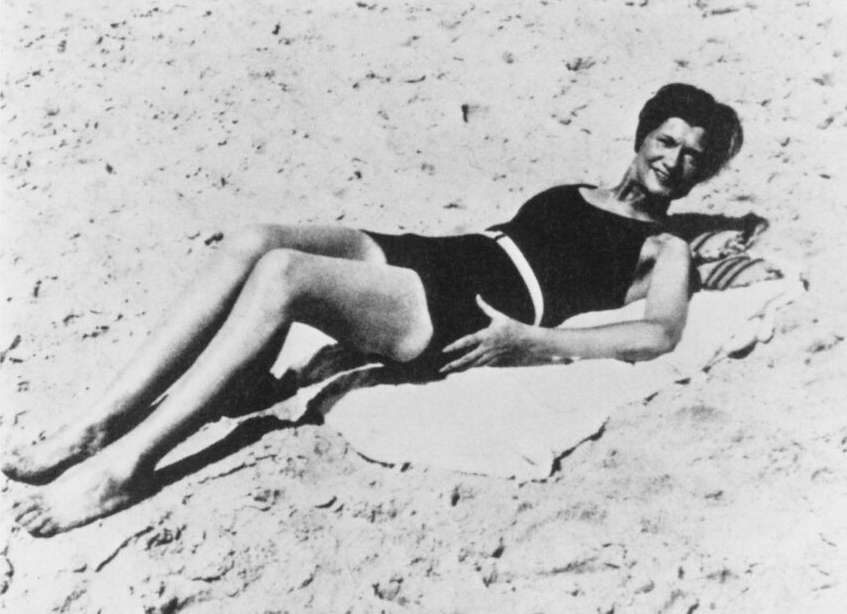
It is thought that Coco Chanel popularized tanning after she accidentally sunburned herself during a 1920s cruise to Cannes. That episode of accidental sunburn spawned a tanning industry that is now worth 1.09 billion dollars.