No cream prevents stretch marks entirely, but these pregnancy-safe butters and oils keep skin supple, hydrated, and comfortable.
Navigating pregnancy-safe skincare can be complicated, but as a medical doctor with a focus on cosmetic ingredient safety, I’ve simplified the search for you. Visit my Skincare During Pregnancy: Begin Here guide for a full index of ingredient safety reviews, pregnancy and IVF-safe recommendations, and doctor-vetted product guides.
Quick Navigation
Stretch Marks Basics
Stretch marks affect up to 90% of pregnant women.
Most commonly appear at the end of the second or beginning of the third trimester, with itching often as the first sign.
They are a type of scar that occurs when skin is overstretched and shrinks quickly, causing damage to the dermal layer of skin.
There is no 100% effective method to prevent stretch marks in pregnancy, and as a consumer, it is important to know that the efficacy of these products, if any, is limited.
As discouraging as the above statement sounds, pregnancy-safe topical preparations do not hurt and keep your skin supple and hydrated.
Amongst the various topical agents, hyaluronic acid and topical retinoids have shown some promise.
However, topical retinoids should not be used during pregnancy and lactation: Can I Use Topical Retinoids In Pregnancy?
I could not find many pregnancy-safe options for stretch mark products containing hyaluronic acid, but you can mix an HA serum with your favorite stretch mark product.
Centella Asiatica (Gotu Kola), a perennial herb found in Asia, Africa, and Australia, may help regenerate collagen and elastin. Studies have found topical usage of this herb to be helpful in the management of stretch marks.
Learn more:
How to prevent pregnancy stretch marks.
How I got zero pregnancy stretch marks: my routine.
What These Recommendations Avoid
As always, all my pregnancy recommendations (at the time of writing) are free of:
Parabens, phthalates, triclosan, and benzophenone 3 (also known as oxybenzone). All four are endocrine disruptors. They interfere with the normal functioning of the endocrine system and the reproductive and other biological processes it regulates.
Added fragrance or perfume. Unless specified as phthalate-free, artificial fragrance is a rich source of phthalates and a known skin irritant, especially during pregnancy, when hormonal changes can make skin more sensitive.
Formaldehyde and formaldehyde releasers. These have been linked to cancer and are known skin irritants.
Retinoids. These vitamin A derivatives can cause abnormalities in multiple organ systems.
Reminder: Companies change their formulas frequently, and the ingredient list may vary by country. Hence, always check the ingredient list before using any product.
Omissions
What is not on this list, and why
Note: This list omits the popular Bio-Oil due to the presence of a retinoid in it.
Is Bio-Oil Safe To Use In Pregnancy?
I have also omitted Palmer’s group of products due to the presence of the unspecified source of ‘fragrance (parfum),’ possibly phthalates.
The Picks
Pregnancy-safe stretch mark creams and oils
- With hyaluronic acid and centella asiatica
- Handmade in small batches in Indiana, USA.

- Multiple emollient-rich oils and vitamin E in a cocoa butter and beeswax base.
- Solar-powered company.
- Cruelty-free.
- USDA organic & non-GMO.
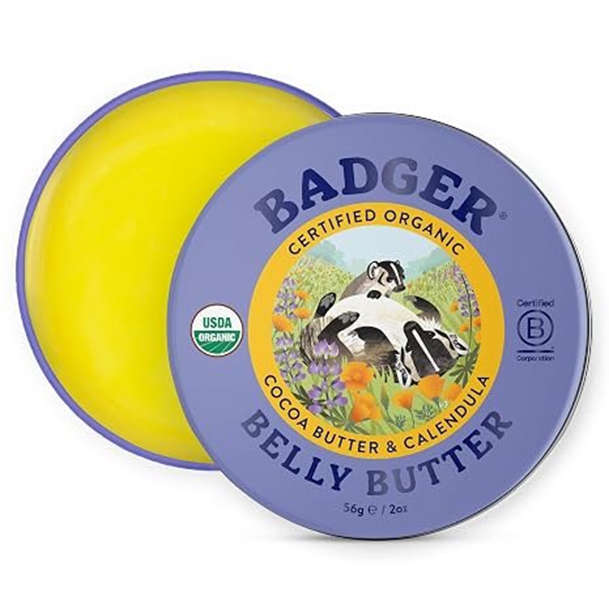
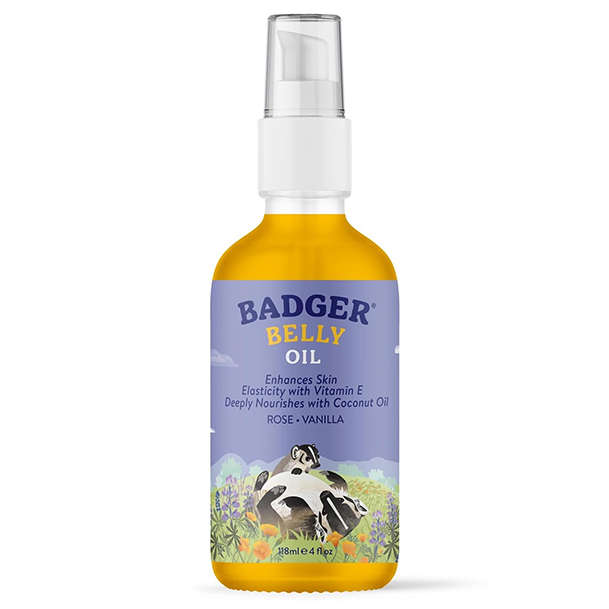
- Multiple emollient-rich oils with vitamin E.
- Natural fragrance from rose oil extracts.
- Solar-powered company.
- Cruelty-free.
- USDA organic & non-GMO.
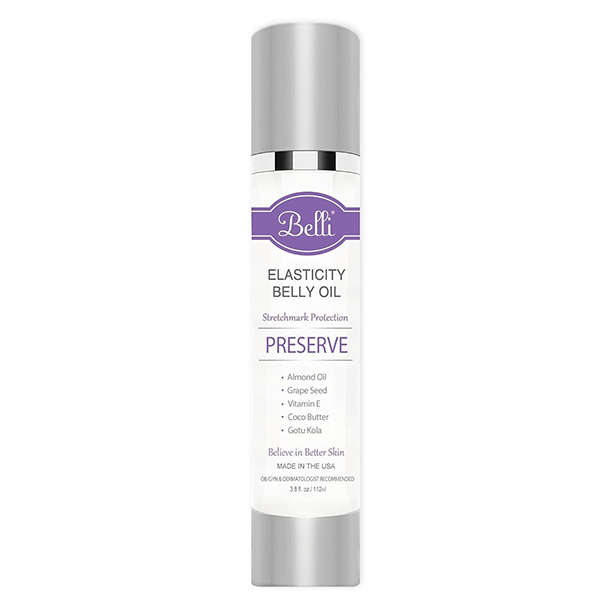
- With almond oil, vitamin E, and other natural oils.
- Cruelty-free.
- No artificial colors.
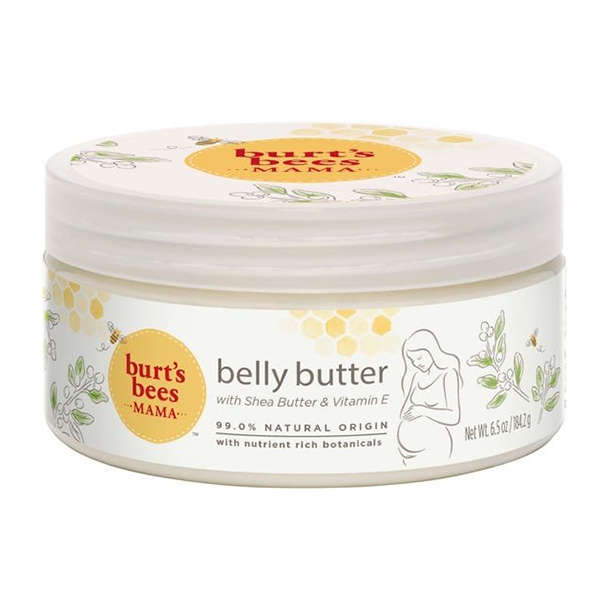
- With Shea butter & vitamin E.
- 99% natural.
- Petrolatum and SLS free.
- CarbonNeutral™ certified.
- Cruelty-free.
- 100% pure plant extracts of mint oil & hazel nut.
- Mineral oil free.
- No coloring agents.
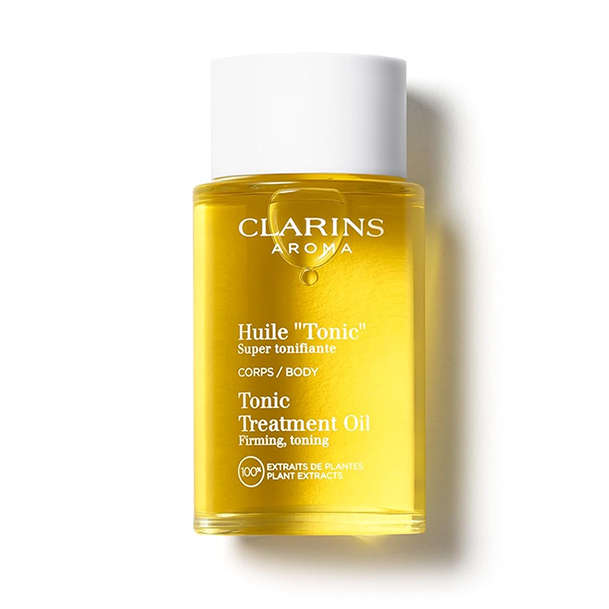
- Vegan
- Plant-based
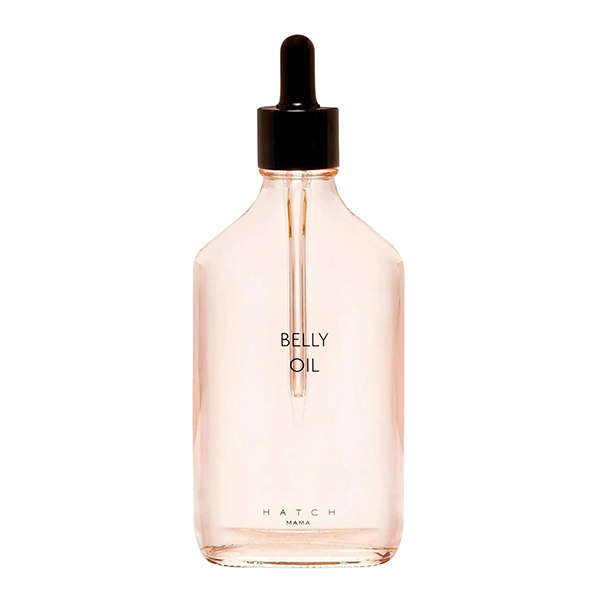
- With organic shea butter and natural oils.
- Petrolatum & mineral oil free.
- Cruelty-free.
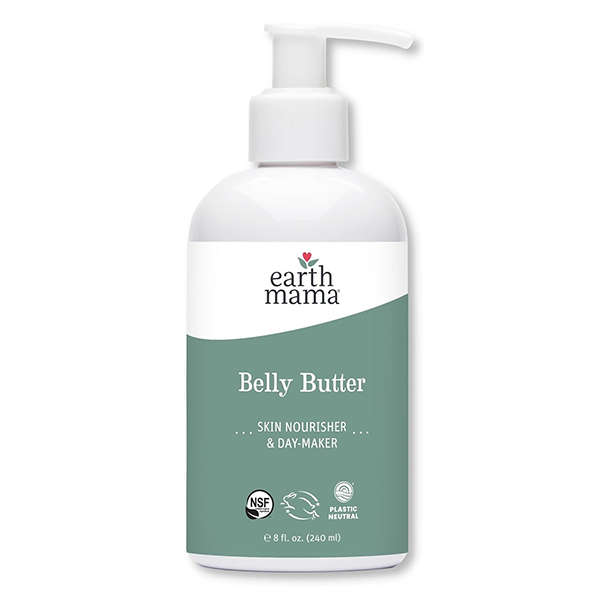
- Blend of herb-infused oil.
- EWG verified.
- Vegan and Leaping Bunny Certified.
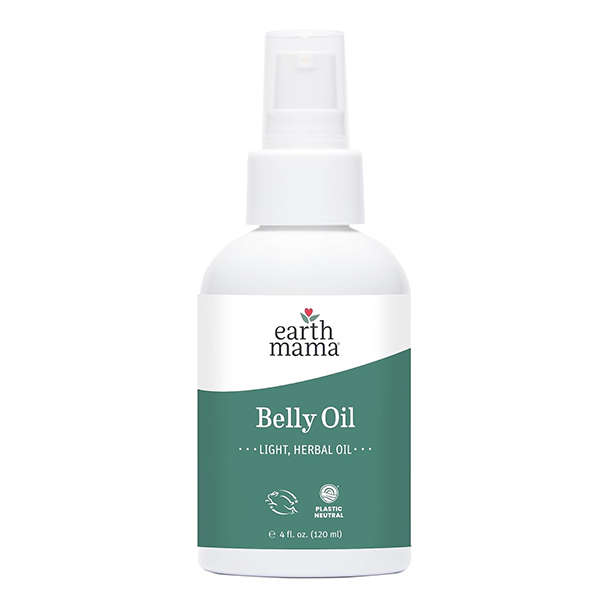
- Contains vitamin E, omega acids, and other oils.
- With the option of natural essential oils or fragrance-free products.
- 93% natural origin.
- Cruelty-free.
- Recyclable packaging.
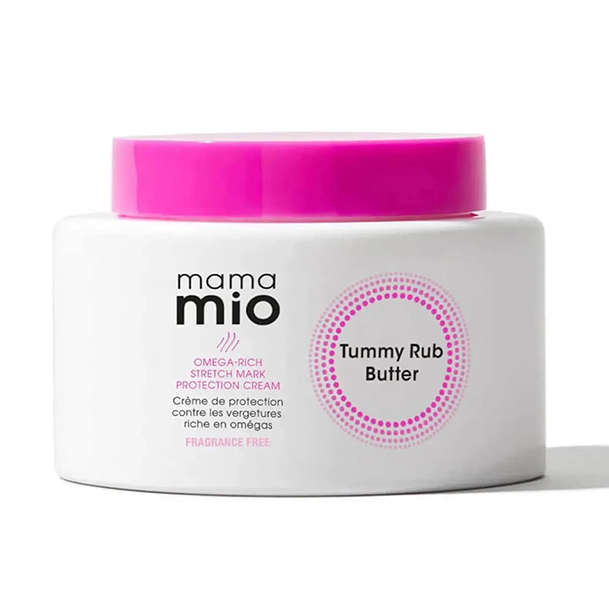
- Blend of natural oils.
- Cruelty-free.
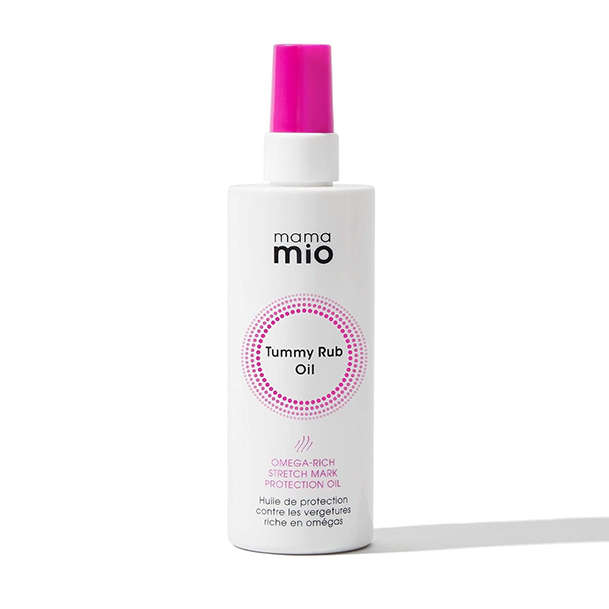
- Essential oil extracts in a base of shea butter and beeswax.
- Cruelty-free.
- Non-GMO. USDA certified.
- Solar-powered facility.
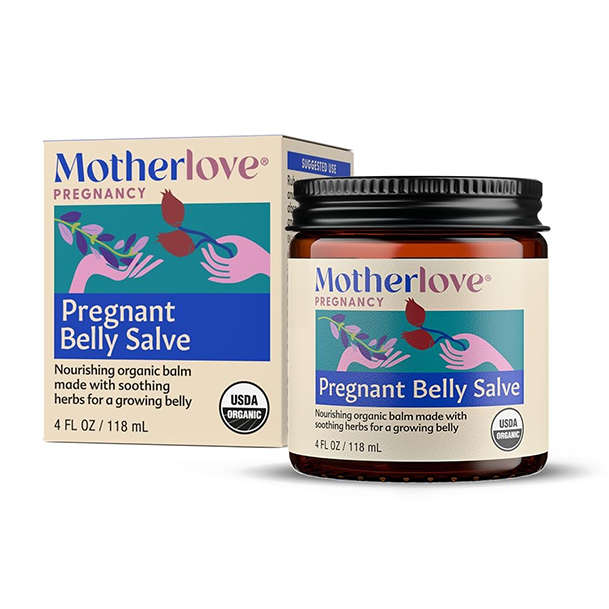
- Non-GMO.
- Apricot oil infused with nourishing herbs.
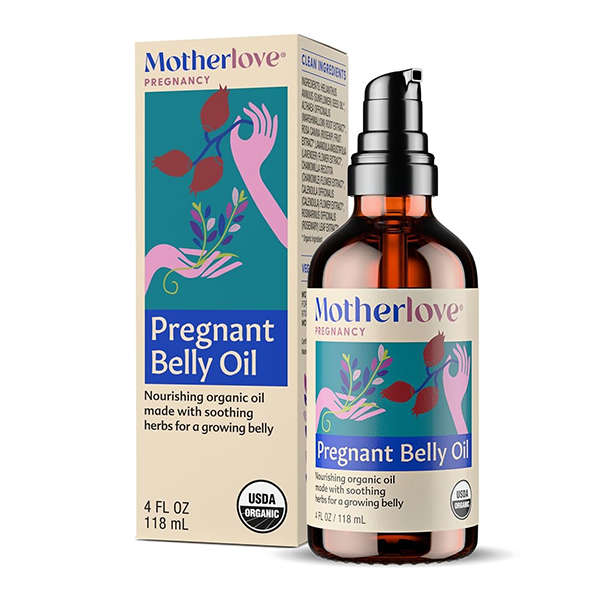
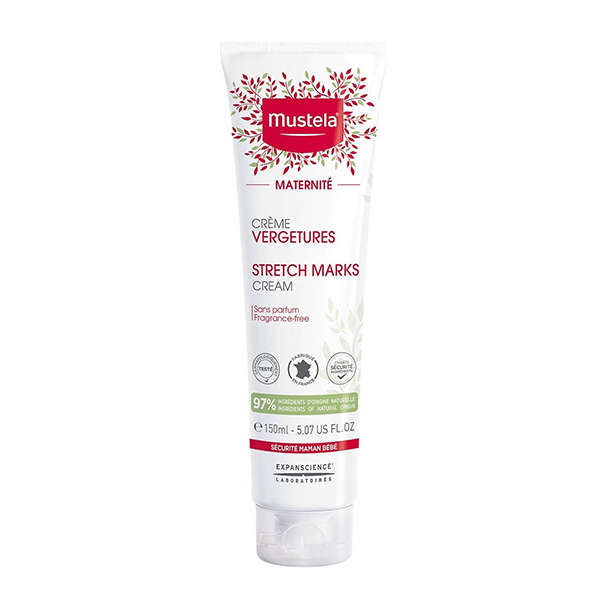
- 97% natural ingredients
- Passion fruit and avocado oil in a shea butter base.
- Comes with or without (natural) fragrance.
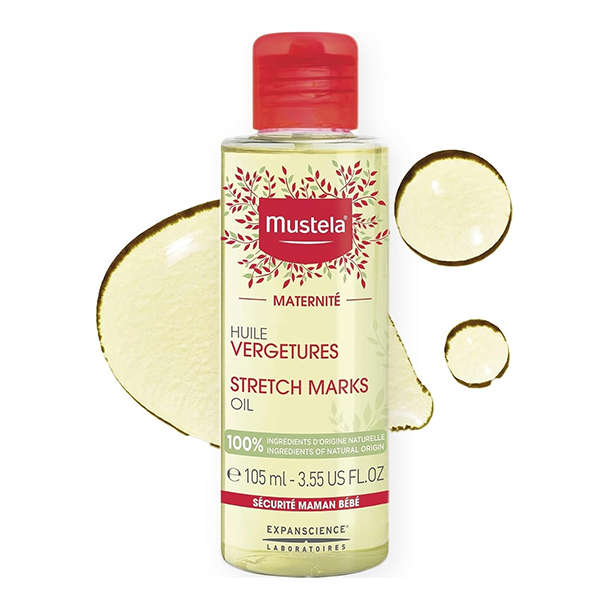
- 100% natural origin ingredients.
- EWG Verified.
- Vegan and fragrance-free.
- Petrolatum & mineral oil free.
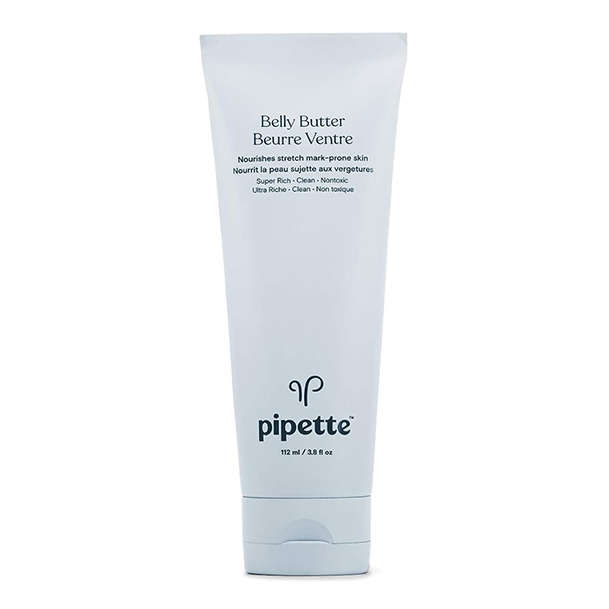
- With shea butter, peptides, and sugarcane-derived squalane.
- Cruelty-free.
- Fast absorbing
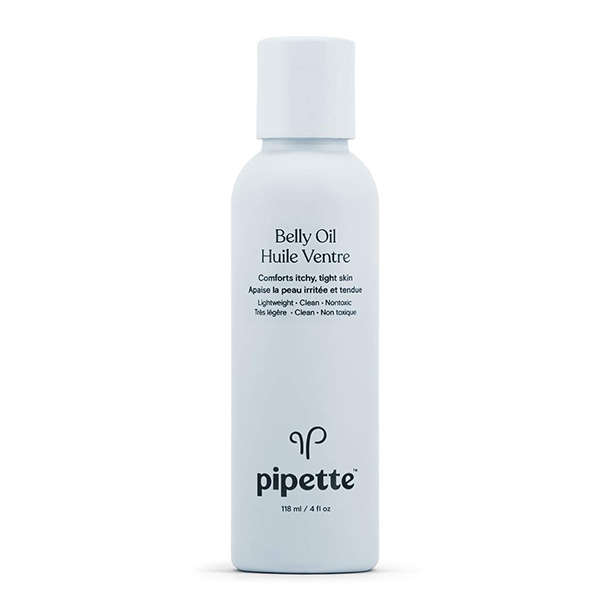
- With squalane
- Gel to oil formula.
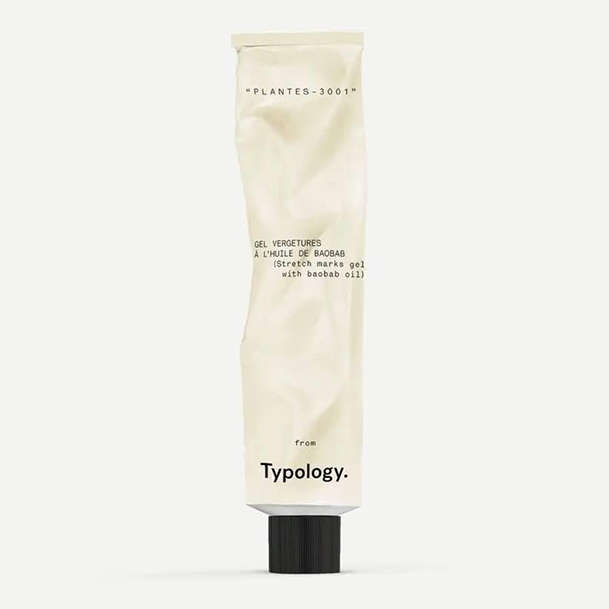
- With shea butter, sweet almond oil, and baobab oil, rich in fatty acids.
- 100% naturally derived ingredients.
- 100% recyclable aluminum body and recyclable plastic cap.
FAQ
Common questions about stretch marks in pregnancy
Can stretch marks be prevented in pregnancy?
There is no 100% effective method to prevent stretch marks in pregnancy, and as a consumer it is important to know that the efficacy of these products, if any, is limited. As discouraging as that sounds, pregnancy-safe topical preparations do not hurt and keep your skin supple and hydrated.
How common are stretch marks in pregnancy?
Stretch marks affect up to 90% of pregnant women. They most commonly appear at the end of the second or beginning of the third trimester, with itching often the first sign.
What are stretch marks exactly?
They are a type of scar that occurs when skin is overstretched and shrinks quickly, causing damage to the dermal layer of the skin.
Which ingredients actually help with stretch marks?
Amongst the various topical agents, hyaluronic acid and topical retinoids have shown some promise, but topical retinoids should not be used during pregnancy and lactation. There are few pregnancy-safe stretch mark products containing hyaluronic acid, though you can mix an HA serum with your favorite stretch mark product. Centella Asiatica, also known as Gotu Kola, may help regenerate collagen and elastin, and studies have found topical use helpful in managing stretch marks.
Is Bio-Oil safe during pregnancy?
This list omits the popular Bio-Oil due to the presence of a retinoid in it. My separate post on whether Bio-Oil is safe to use in pregnancy covers this in detail.
Why are Palmer’s products not included?
Palmer’s group of products has been omitted due to the presence of an unspecified source of ‘fragrance (parfum),’ which is possibly phthalates.
Sponsored post: This post is in collaboration with Amazon, but all the product choices and opinions are my own. See our disclosure.
Questions about your bump routine?
If you would like a quick, doctor-vetted look at a stretch mark product’s ingredient list, or help choosing between a butter and an oil, I would love to help.