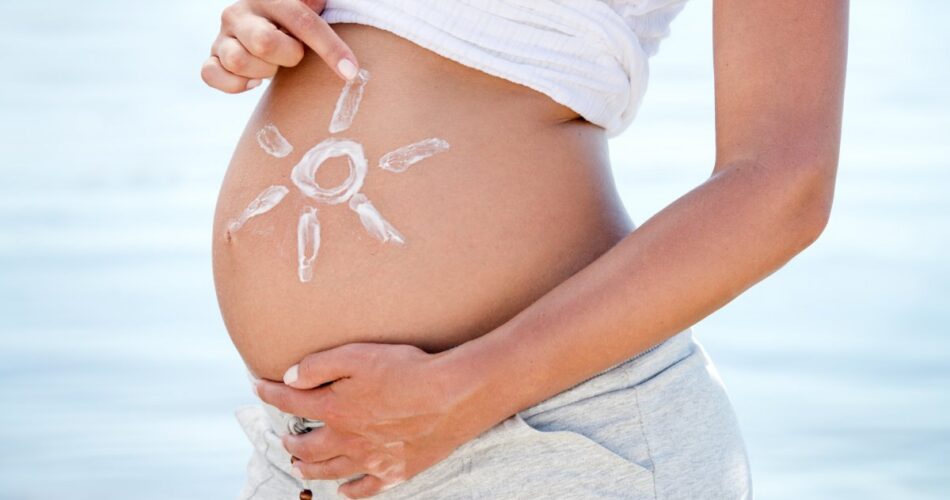
A gentle skincare routine for dry skin during pregnancy that calms, brightens, and shields from the sun, all pregnancy-safe and under $50.
Navigating pregnancy-safe skincare can be complicated, but as a medical doctor with a focus on cosmetic ingredient safety, I’ve simplified the search for you. Visit my Skincare During Pregnancy: Begin Here guide for a full index of ingredient safety reviews, pregnancy and IVF-safe recommendations, and doctor-vetted product guides.
If you have been wondering, “Why is my skin so dry during pregnancy?”, you are not alone. Dry skin during pregnancy is normal and common, and it is often caused by hormonal changes that affect the skin barrier and moisture levels.
I have created this simple pregnancy-safe skincare routine for dry skin types that helps support hormonal skin, ease dryness, gently brighten to keep your glow, and protect against sun damage, which can contribute to melasma.
This Clean Conscious Beauty routine focuses on three things that genuinely matter: barrier support, gentle brightening, and daily sun protection.
This pregnancy-safe skincare routine contains four products and costs less than $50.
These are the four product types included:
All four core products together: $48.75, comfortably under $50. Every pick is screened against the avoid list below, so the whole routine stays clean, conscious, and budget-friendly.
Quick Navigation
Clean and Conscious
What this routine leaves out
Before we get to the products, here is what every recommendation in this routine is free of, at the time of writing. These are the ingredients I screen out first, because some are genuinely worth avoiding during pregnancy and breastfeeding and others are simply unnecessary irritants for skin that is already more sensitive than usual.
Parabens, phthalates, triclosan, and benzophenone 3 (also known as oxybenzone). All four are endocrine disruptors, meaning they can interfere with the normal functioning of the endocrine system and the reproductive and other biological processes it regulates.
Added fragrance, a common hidden source of phthalates and a frequent skin irritant, especially in pregnancy when hormonal changes can leave skin more reactive than usual.
Formaldehyde and formaldehyde releasers, which have been linked to cancer and are also known skin irritants.
Retinoids, vitamin A derivatives that can cause abnormalities across multiple organ systems and are best avoided entirely during pregnancy.
The Morning Routine
How to treat dry skin during pregnancy: a four-step morning routine
This is the complete pregnancy-safe morning routine in the order you will use it. Each product was chosen because it does its job well, plays nicely with the others, and fits comfortably inside the budget. The prices below are approximate and reflect what these products typically cost at the time of writing.
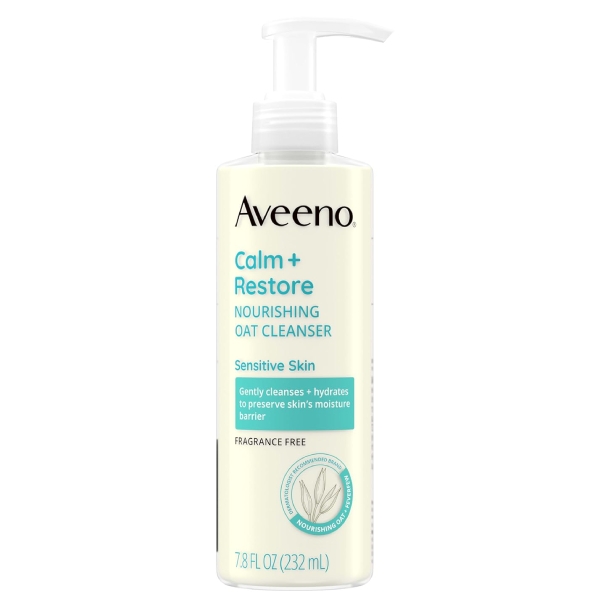
Aveeno Calm + Restore Nourishing Oat Cleanser, around $9.97. View product
A gentle, fragrance-free, non-comedogenic cleanser that hydrates and preserves the skin’s moisture barrier. Its milky, non-foaming formula cleanses without overdrying.
The Ordinary Ascorbyl Tetraisopalmitate in Vitamin F, around $20.50. View product
This vitamin C in an oil base with vitamin F (the fatty acids ALA and LA) is rich and hydrating for dry skin, with brightening and balancing benefits for uneven skin tone.

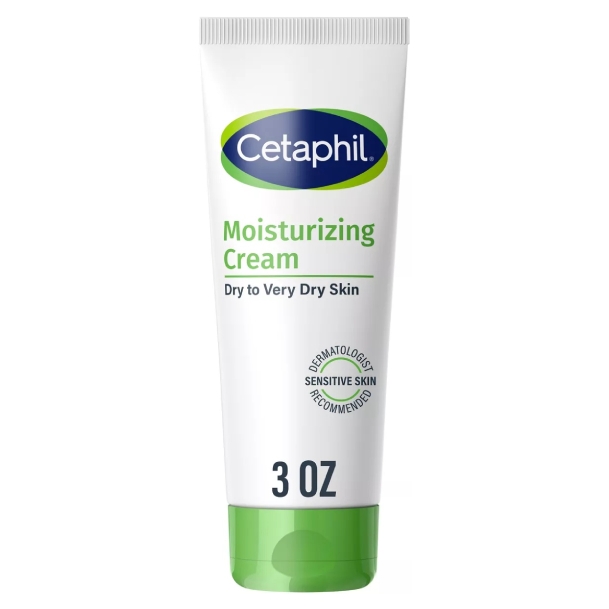
Cetaphil Moisturizing Cream for Dry to Very Dry Skin, around $5.79. View product
One of the best moisturizer options for dry skin during pregnancy, this hydration classic combines humectants like glycerin with barrier-supporting vitamin B3, B5, and petrolatum to nourish parched skin and maintain the skin barrier.
If you do not prefer petrolatum (which is a pregnancy-safe ingredient), here is an alternative:
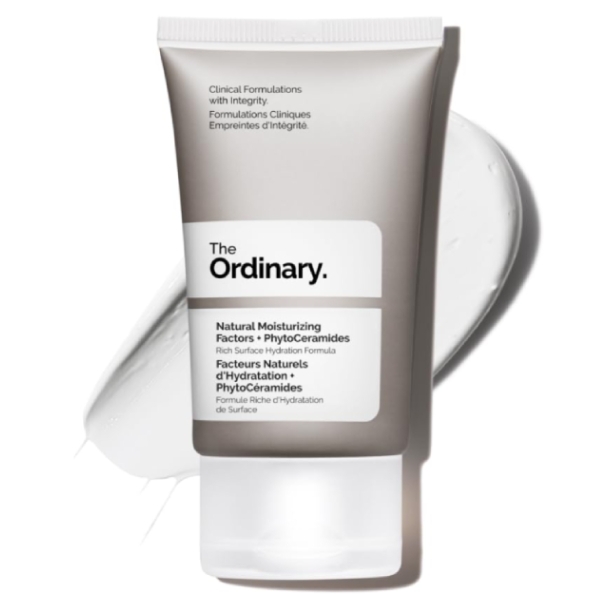
The Ordinary Natural Moisturizing Factors + Phytoceramides, around $10.80. View product
A hydration giant with ceramides, amino acids, fatty acids, and hyaluronic acid in a base free of alcohol and silicone that offers all-day hydration and skin barrier protection.
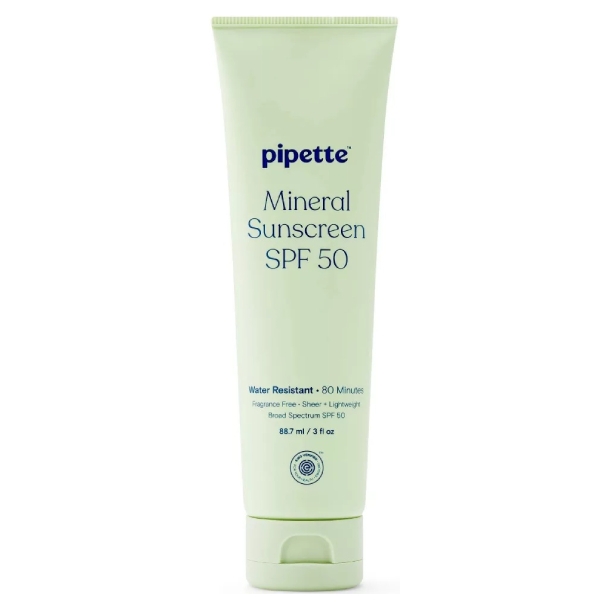
Pipette Mineral Sunscreen SPF 50, around $12.49. View product
With sugarcane-derived squalane, plant waxes, and fatty acids, this 100 percent non-nano zinc oxide-based mineral formula is clean and hydrating, nourishing all skin types, especially dry skin.
The Night Routine
Pregnancy-safe night skincare routine: two simple steps
Here is a complete pregnancy-safe night routine in the order you will use it. There are just two products for a simple but effective routine, and they are the same ones you use in the morning, so there is nothing extra to buy. You may add the morning vitamin C serum to this routine after the cleanser, provided you are tolerating it well (no redness, stinging, or burning).
Aveeno Calm + Restore Nourishing Oat Cleanser, around $9.97. View product
The same gentle, fragrance-free, non-comedogenic cleanser lifts away the day’s sunscreen, sweat, and grime without stripping the skin, leaving it clean and ready to absorb your moisturizer.
Cetaphil Moisturizing Cream for Dry to Very Dry Skin, around $5.79. View product
The same rich cream with glycerin, vitamin B3, B5, and petrolatum nourishes parched skin and supports your barrier while you sleep, when dryness tends to be at its worst.
That is the entire routine: cleanse, brighten, moisturize, and protect by day, then cleanse and moisturize at night. Four products, $48.75, and nothing on the avoid list. If you only ever do these steps, your skin is in good hands.
Optional Upgrades
A few extras worth adding (outside the $50 budget)
The core routine above is complete on its own. But if you have a little more room in your budget, or you want to round out your day with a few targeted extras, these three products are pregnancy-safe skincare companions that I am happy to recommend. They sit outside the under-$50 promise, so think of them as nice-to-haves rather than essentials.
A hydrating face mist for a quick midday refresh on hot days, when dry skin starts to feel tight. This one by Biossance Squalane + Hyaluronic Acid Toning Mist nourishes, moisturizes, and restores hydration.
A fragrance-free lip balm with SPF protects an area people almost always forget. Lips have very little natural melanin, so they burn easily, and an SPF lip balm like Attitude Oceanly Tinted Lip Balm SPF 30, with zinc oxide, coconut oil, and cocoa butter, keeps your lips hydrated and comfortable.
A gentle eye cream formulated without retinoids gives the thin, delicate skin around the eyes a little extra hydration and can make tired, sleep-deprived mornings look a touch brighter. This targeted treatment by Paula’s Choice C5 Super Boost Eye Cream, with hyaluronic acid, peptides, and vitamin C, safely revives and firms the eye area.
The Why Behind It
Why sun protection matters most in pregnancy
Two things happen at once in pregnancy. First, hormonal shifts pull moisture out of the skin, so dryness, tightness, and flakiness tend to flare. Second, those same hormones make pigment-producing cells more reactive to sunlight, which is how melasma, the patchy darkening sometimes called the mask of pregnancy, develops.
Here is the part worth taking to heart: once melasma is established, it can be stubborn, slow, and expensive to treat, and some of the most effective treatments are off-limits while you are pregnant or breastfeeding. Daily sunscreen is by far the simplest and cheapest way to keep it from setting in. A mineral formula like the one in this routine sits on top of the skin and physically blocks UV rather than absorbing it, which is exactly what you want during this season of life.
Putting It Together
How to layer everything
A good routine is only as good as the way you use it. Keep these gentle habits in mind to get the most out of your steps without overcomplicating your day.
Apply thinnest to thickest. In the morning, cleanse with lukewarm water, then the vitamin C serum, then the moisturizer, and finish with sunscreen as the final layer. At night, cleanse and moisturize, adding the serum after cleansing if your skin tolerates it well.
Give each step a moment to settle. Waiting thirty seconds or so between the serum, moisturizer, and sunscreen helps each layer absorb and prevents pilling.
Use enough sunscreen and reapply. Most of us under-apply. Aim for about two finger-lengths for the face and neck, and top up every two hours when you are outdoors.
Patch test anything new. Pregnancy can make skin more reactive than usual, so introduce one product at a time and do a small patch test on your inner arm first.
If you would like to go deeper on any single ingredient or product type, the full library of doctor-vetted reviews lives in the Skincare During Pregnancy hub. And remember, this pregnancy-safe skincare routine is designed for dry skin, so if yours runs oily, combination, or sensitive, a few small swaps may suit you better.
FAQ
Common questions about dry skin during pregnancy
Is dry skin normal during pregnancy?
Yes. Dry skin during pregnancy is normal and common. Hormonal changes affect the skin barrier and the way skin holds on to moisture, so many women notice more tightness, flakiness, and dullness than usual, often for the first time.
Why is my skin so dry during pregnancy?
The hormonal shifts of pregnancy can reduce the skin’s moisture and elasticity and temporarily weaken the skin barrier, which lets water escape more easily. Hot showers and low humidity can make it more noticeable, but it is usually a normal, temporary change.
How do you treat dry skin on the face during pregnancy?
Keep it gentle: cleanse with a mild, fragrance-free cleanser and lukewarm water, apply a hydrating serum or moisturizer while skin is still slightly damp, and seal it in with a richer barrier cream. Finish every morning with a mineral sunscreen. The four-step routine above does exactly this.
What is the best moisturizer for dry skin during pregnancy?
The best moisturizer for dry skin during pregnancy combines humectants (like glycerin and hyaluronic acid) with barrier-supporting ingredients (like ceramides and, if you are comfortable with it, refined petrolatum), and is free of fragrance and the avoid-list ingredients. The Cetaphil cream and The Ordinary Phytoceramides alternative in this routine are both good, budget-friendly examples.
Is a pregnancy-safe lotion enough, or do I need a cream?
For dry to very dry skin, a richer cream usually works better than a thin lotion, because creams hold more occlusive and barrier-repairing ingredients that slow water loss. A lightweight pregnancy-safe lotion can be fine for mild dryness, but if your skin feels tight or flaky, a barrier cream will give more lasting comfort.
Which skincare ingredients should I avoid for dry skin while pregnant?
Skip retinoids, added fragrance, parabens, phthalates, triclosan, benzophenone 3 (oxybenzone), and formaldehyde or formaldehyde releasers. Harsh foaming cleansers, high-strength acids, and alcohol-heavy formulas can also worsen dryness, so they are best avoided on dry skin too.
Questions about your own routine?
Every pregnancy and every complexion is a little different. If you would like personalized, doctor-vetted guidance on building a clean, conscious routine that fits your skin and your stage, I would love to hear from you.