
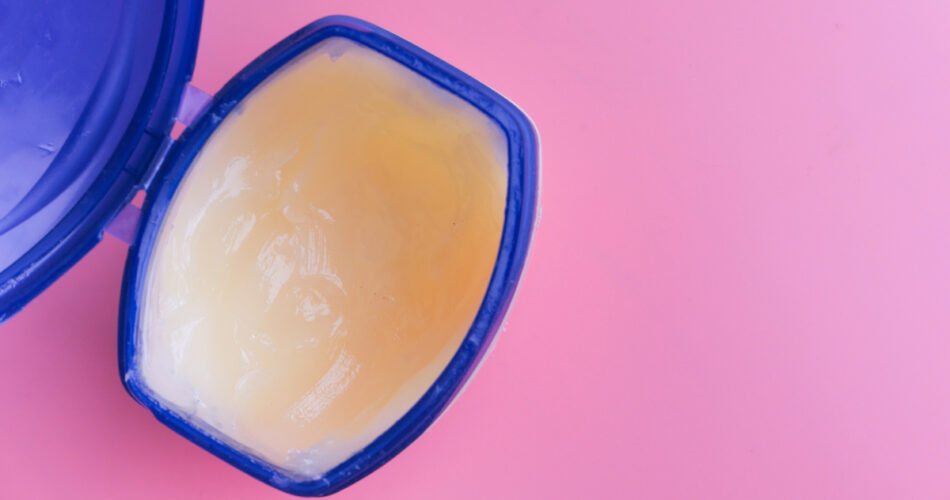
Is Vaseline (petroleum jelly) safe during pregnancy and breastfeeding? Yes, as long as it is refined.
Navigating pregnancy-safe skincare can be complicated, but as a medical doctor with a focus on cosmetic ingredient safety, I’ve simplified the search for you. Visit my Skincare During Pregnancy: Begin Here guide for a full index of ingredient safety reviews, pregnancy and IVF-safe recommendations, and doctor-vetted product guides.
Today is about petrolatum (petroleum jelly, popularly known as Vaseline) and its safety during pregnancy.
Vaseline or petroleum jelly is a commonly used ingredient in personal care products and has been around for as long as you can remember. Derived from petroleum, it is cheap, abundantly available, and a highly effective skin protectant.
A petroleum byproduct, it also happens to have a bad rep in the skincare industry, which is why many brands now leave it out of their line and even note that with pride.
Does it deserve this bad reputation, or has it simply drowned in this neo-age of natural or nature-derived skincare? Is petroleum jelly or Vaseline pregnancy safe?
Quick Navigation
The Key Distinction
Concern with petrolatum: refined vs unrefined
Petroleum jelly, also known as petrolatum, paraffin jelly, soft paraffin, or mineral oil jelly, is derived from crude oil or unrefined petroleum as a byproduct. This unrefined petrolatum has impurities like PAHs (polycyclic aromatic hydrocarbons) that are potentially carcinogenic and are used for industrial purposes like machine lubricants or shoe polishes.
When refined, all these impurities are removed, and what you get is an odorless, tasteless, smooth, white or off-white, translucent cosmetic and medical-grade petroleum jelly that is safe to use in skincare.
This distinction is important: only refined petroleum jelly is used in skincare and medicine, and only this form is considered safe during pregnancy and breastfeeding.
Here is a concise video on how this refining happens:
The Verdict
Is petroleum jelly pregnancy or nursing safe?
Yes, as long as it is refined.
The primary concern with using petroleum jelly is contamination with PAHs.
The National Toxicology Program states that PAHs are reasonably anticipated to be human carcinogens based on sufficient evidence of carcinogenicity from studies in experimental animals. A review article from 2022 found that PAH exposure is linked to malignancies in multiple organ systems and also to cardiovascular diseases.
Note that petroleum jelly in skincare, per se, does not impact fertility the way phthalates can, nor does it have teratogenic potential like retinoids. The concern here is the carcinogenic potential of unrefined petroleum jelly, which can affect all age groups and life stages.
Reading the Label
How to know if a petroleum jelly is refined
Refined petroleum jelly is white or off-white in color and is odorless and tasteless (unless the product has added fragrance and flavors). Lesser-refined versions (yellow, amber, brown) are used in industry, like for shoe polish, and contain impurities (INCHEM) and should not be used on the skin.
Check the company website or buy only reputable brands.
For example, Vaseline clearly states on its website that it uses triple-purified petroleum jelly.
Check the label of the product to make sure it is refined petroleum jelly.
The label should read one of the following:
White petroleum jelly
Fully refined
Triple refined or purified
USP (United States Pharmacopoeia) petroleum jelly in the USA
BP (British Pharmacopoeia) in Britain
Ph Eur (European Pharmacopoeia) in Europe
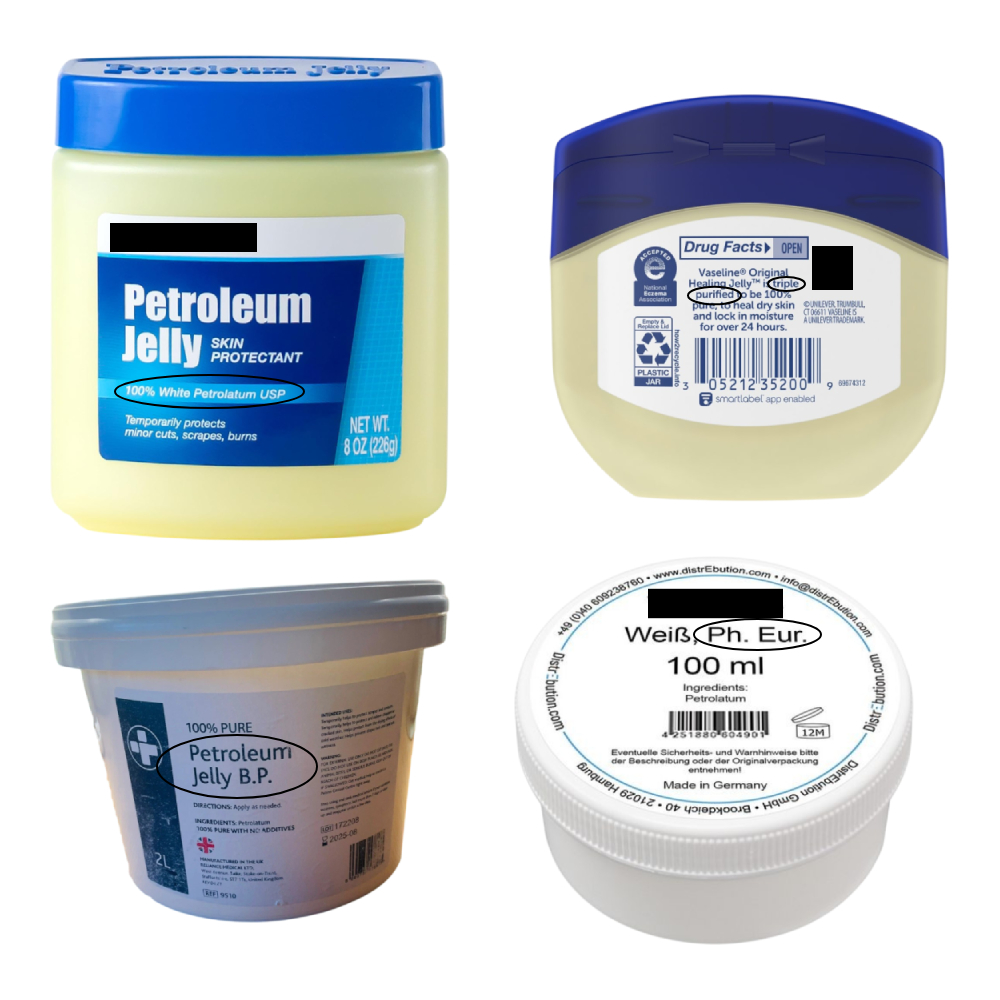 Examples of labels with refined petroleum jelly.
Practical Tips
The best way to effectively use petroleum jelly
Petroleum jelly is an occlusive, which means it forms a barrier layer on the skin to prevent moisture loss. Using it on moist skin or immediately after a shower is the best way to lock in your skin’s moisture.
Petroleum jelly should not be ingested. A small amount swallowed accidentally while using it on the face or lips is harmless, but large amounts can cause stomach upset, like diarrhea or cramps.
Consider a patch test before using any new product while pregnant, even products you have used in the past with no problem. With pregnancy, your immune responses change, and you might develop an allergic reaction even to products you have used before without issue.
A Trend Explained
A word on “slugging”
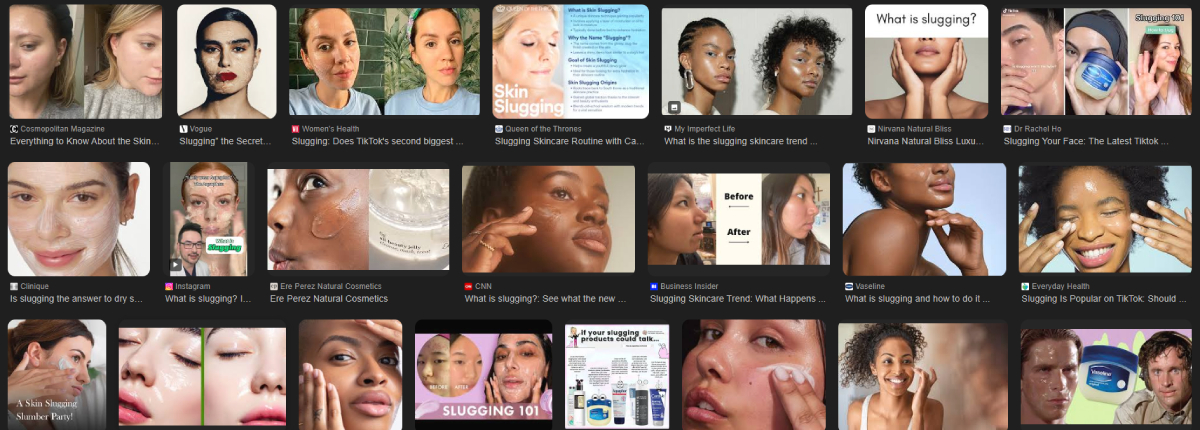 Source: Google Images
Slugging is a buzzword in the skincare world. Simply speaking, it involves slathering a layer of petroleum jelly as the last step of your overnight routine.
Intended to seal in moisture and heal your skin barrier, it got its name from the visual of a slug slithering around and leaving a trail of shiny mucus.
It could work for people with really dry skin or with eczema, but in the case of oily or acne-prone skin, the occlusive nature of the petroleum jelly will not let skin oils escape, causing clogged pores, inflammation, and an acne flare.
Trivia
The one-jar-a-minute origin of Vaseline
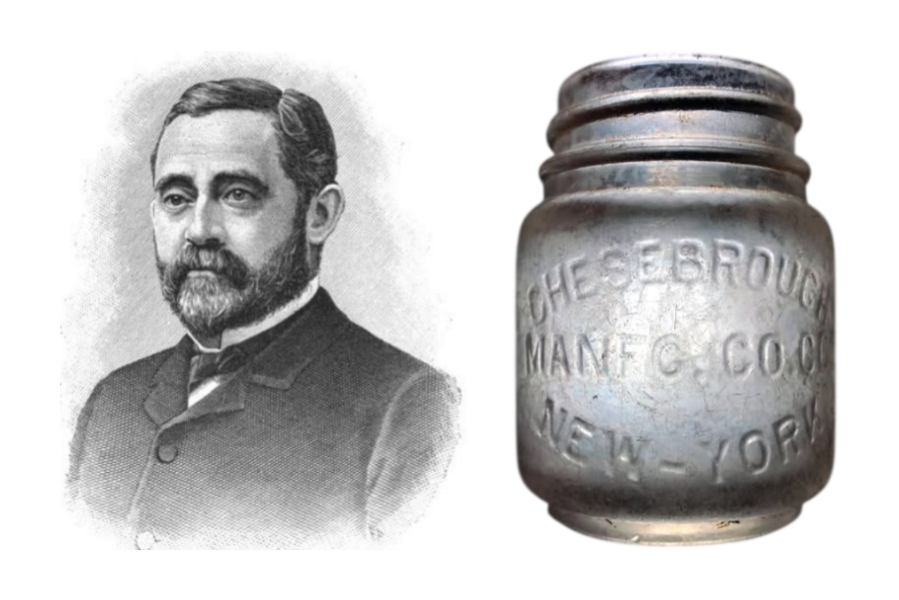
The first use of petroleum jelly was recorded in 1885 in the oil fields of Titusville, Pennsylvania. The workers were applying a stinking, black wax gel they called “rod wax,” which formed on the oil rigs, to their cuts and irritations. They claimed it soothed and protected their wounds.
Robert Augustus Chesebrough, a young chemist from New York, saw potential in this gunk. Realizing that people would never pay for it in its crude form, he developed a technique to refine it into a clear, odorless product that he branded and sold as Vaseline. By 1875, just 5 years into the official launch, Americans were buying it at the rate of one jar a minute.
FAQ
Frequently asked questions
Is Vaseline safe to use during pregnancy and breastfeeding?
Yes, as long as it is refined. Only refined petroleum jelly is used in skincare and medicine, and only this form is considered safe during pregnancy and breastfeeding.
How do I know if my petroleum jelly is refined?
Refined petroleum jelly is white or off-white, odorless, and tasteless, and the label should read white petroleum jelly, fully refined, triple refined or purified, or carry a pharmacopoeia mark like USP, BP, or Ph Eur. Lesser-refined yellow, amber, or brown versions are for industrial use and should not go on the skin.
Can petroleum jelly harm my baby or my fertility?
Petroleum jelly in skincare, per se, does not impact fertility the way phthalates can, nor does it have teratogenic potential like retinoids. The concern is the carcinogenic potential of PAH impurities in unrefined petroleum jelly, which is why only refined products should be used, at any age or life stage.
What is the best way to use petroleum jelly?
Apply it on moist skin or immediately after a shower; as an occlusive, it forms a barrier that locks in your skin’s moisture. Do not ingest it, and consider a patch test before using any new product while pregnant, since immune responses change in pregnancy and you can react even to products you have used before.
Is slugging safe for my skin type?
Slugging, slathering a layer of petroleum jelly as the last step of your overnight routine, could work for really dry or eczema-prone skin. For oily or acne-prone skin, the occlusive layer will not let skin oils escape, which can cause clogged pores, inflammation, and an acne flare.
Questions about an ingredient?
If you would like a quick, doctor-vetted review of a product’s ingredient list, including checking whether its petroleum jelly is refined, I would love to help.