Navigating pregnancy-safe skincare can be complicated, but as a medical doctor with a focus on cosmetic ingredient safety, I’ve simplified the search for you. Visit my Skincare During Pregnancy – Begin Here guide for a full index of ingredient safety reviews, pregnancy and IVF-safe recommendations, and doctor-vetted product guides.
Today, we discuss the safety profile of chemical peels during pregnancy.
With hormonal changes during pregnancy, you may experience skin issues such as increased pigmentation or acne, and wonder how safe skin peels are in this situation. Or maybe skin peels were a favorite beauty routine of yours before you got pregnant, and you are reviewing your beauty regimen now that you have to care for two.
Read on to find out if a chemical peel during pregnancy is a safe glow-up method or is best avoided.
Quick Navigation
What Are Chemical Peels?
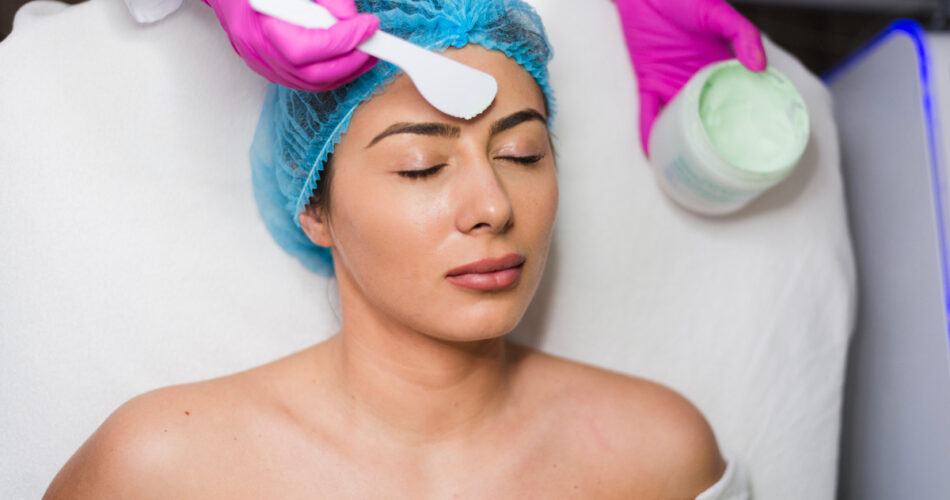
Simply stated, a chemical peel is a cosmetic procedure that involves applying a chemical to the skin to exfoliate (or peel) the upper layers, revealing rejuvenated and smoother skin that may reduce the appearance of blemishes such as pigmentation, wrinkles, scars, and acne.
Depending on how deep the peel penetrates the skin, they can be classified as light, medium, or deep, and this is one of the factors in determining the safety of chemical peels during pregnancy.
Skin peels While Pregnant May Not Be Helpful
Yes, there are pregnancy-safe chemical peels!
BUT, the issue with using chemical peels while pregnant is that the problems you are trying to solve with the peeling (dullness, pigmentation, acne, etc) are caused by elevated hormones, which will continue to remain elevated throughout pregnancy and for some time afterward.
Even if a peel were performed now, given the persistently elevated hormone levels, the condition is likely to recur soon, leading to significant dissatisfaction.
The skin is also very sensitive at this time and may react negatively to the chemicals used in the peel, leading to irritation, redness, or increased breakouts.
If you have used skin peels in the past, your skin may still react negatively to them as your body’s immune response changes in pregnancy.
It is also important to remember that as the pregnancy ends and hormone levels gradually return to normal, these blemishes may fade to varying extents without the need for intervention or with just over-the-counter products.
Thus, it is often advisable to wait a year postpartum before undergoing a facial peel, if needed.
Pregnancy Safe Chemical Peels
No data are currently available on the safety of chemical peels during pregnancy. However, light chemical peels are generally considered safe, as they do not penetrate deeply.
These light chemical peels are of lower concentrations of AHAs (alpha hydroxy acid) such as lactic and glycolic acid.
Salicylic acid, a BHA (beta-hydroxy acid), is highly effective for acne but penetrates deeply and is not recommended for use during pregnancy. If used, the area to which it is applied should be limited.
A popular peel for reducing pigmentation and improving skin texture is the TCA (trichloroacetic acid) peel. It is available in various peeling depths, including a light peel; however, it has been associated with fetal growth retardation and low birth weight and should therefore not be used during pregnancy.
Jessner’s Peel is another popular peel for acne and hyperpigmentation, containing a high concentration of salicylic acid and thus contraindicated.
(For more information on salicylic acid safety while pregnant, read: Is Topical Salicylic Acid Safe in Pregnancy & Lactation?)
What about home-based peels?
Use of AHAs like lactic and glycolic acids at concentrations of 10% or less and BHAs like salicylic 2% or less are generally deemed safe.
These concentrations are commonly found in cleansers and face creams.
With the explosion in e-commerce, it is becoming increasingly easy to obtain high-concentration chemical peels marketed for home use, along with online video guides on how to use them.
I would recommend steering clear of these products, irrespective of whether you are pregnant or not, as performing a chemical peel is a nuanced medical skill that takes time and experience. The side effects of an improperly performed peel can be lasting and taxing on both your financial and mental health.
Risks of Chemical Peel During Pregnancy
The same hormones that alter your body’s chemistry and lead to increased blemishes can intensify reactions to any skin treatment and increase the likelihood of additional side effects.
It can cause more redness, irritation, allergic reactions, and worsening skin blemishes.
Even those who have used peel in the past may experience adverse side effects as skin sensitivity increases and the immune system changes.
And of course, while pregnant, you will be limited in the types and depths of peels that can be safely performed.
Pregnancy Safe Alternatives to Chemical Peels
There are a lot of options to safely tackle acne, increased pigmentation, and dullness of skin that many pregnant women experience.
I have posts on these topics that I will link here:
- Melasma or Hyperpigmentation in Pregnancy- Causes & Prevention
- Pregnancy & Nursing Safe Melasma Treatment
- Best Pregnancy & Nursing Safe Sunscreen for Melasma & Hyperpigmentation
- Pregnancy Safe Acne Treatment
- Simple Steps to Improve Your Acne
- 10 Best Pregnancy Safe Vitamin C Serum for Glowing Skin
Takeway
- Some chemical peels may be safe to use while pregnant under the supervision of your doctor.
- Getting a skin peel while pregnant may not be helpful, as the persistently elevated hormone levels during pregnancy make the problem likely to recur soon.
- Ideally, one should wait a year after delivery to undergo a chemical peel, as hormone levels tend to stabilize then.
- There are other easier and safer options that are also pregnancy safe to tackle the acne, pigmentation, and skin dullness that often lead women to seek out peels.
Trivia
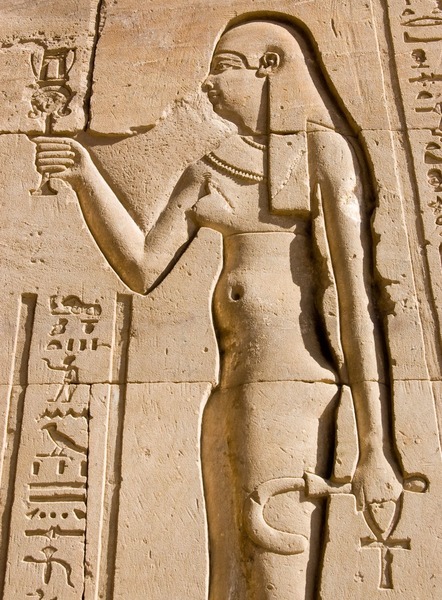
Even Cleopatra used skin peels to enhance her beauty. She bathed in sour milk regularly, which contains lactic acid, an AHA (alpha-hydroxy acid) that is a very popular skin peel for hyperpigmentation and acne.
Legend has it that 700 donkeys were needed to provide the milk necessary for her milk baths!