
Picking out pregnancy-safe skincare can seem complicated. I have an entire page on pregnancy beauty dedicated to which skincare ingredients to avoid during pregnancy, breastfeeding, or IVF.
The fairness or skin whitening industry targets women of color worldwide and across socioeconomic status. It is a deeply rooted and unconscious prejudice in many cultures, especially in Asia. The US has not been left behind in this race, with people of color actively seeking out treatment for skin lightening.
Glutathione is a relatively recent addition to this setting, long dominated by topical skin preparations such as skin bleach and hydroquinone. It is promoted as a safe alternative, leveraging the fact that it is a natural antioxidant produced by the body.
But is it really safe to ingest or inject yourself with lab-produced high doses of this antioxidant?
What about special life events? Is glutathione safe during pregnancy and nursing?
Quick Navigation
What is Glutathione?
Glutathione, also known as the ‘master antioxidant,’ is naturally produced by the liver and nerve cells in the human body.
It metabolizes toxins, plays a vital role in sperm production and maturation, mounts an immune response to pathogens, and neutralizes free radicals implicated in skin aging, abnormal pigmentation, and diseases such as cancer, Alzheimer’s, and Parkinson’s.
In the skin, it inhibits an enzyme called tyrosinase, a key component for melanin production, the pigment that gives skin its color. The more melanin you have, the darker your skin color.
Glutathione in skincare
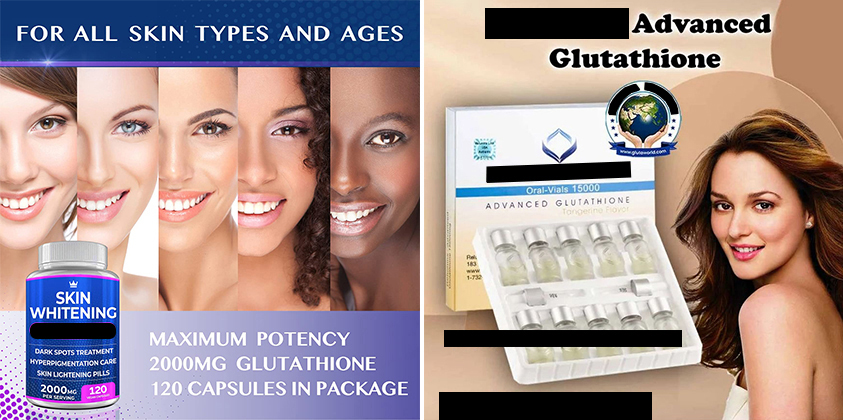
Glutathione, a powerful antioxidant, is used in skincare in multiple forms: topically in creams, cleansers, and serums; orally as a supplement; and intravenously as an infusion.
It is popular as a skin-lightening, skin-brightening, and antiaging agent.
It is essential to add that this is not an FDA-approved use of glutathione. The use of glutathione in skincare is a marketing hype created by pharmaceutical or cosmetic companies.
The premise of glutathione is that it is an antioxidant produced by the body and that, unlike topical creams that act locally, oral or IV glutathione will provide uniform, whole-body skin lightening.
Topical glutathione in pregnancy and nursing.
Glutathione is found in scores of skincare products, such as serums and face washes. We do not know how much of it is absorbed through the skin, but generally, barring a few chemicals such as hydroquinone, absorption from intact skin is minimal.
Often combined with other actives like vitamin C, niacinamide, and hyaluronic acid, if you want to incorporate it in your skincare routine, speak to your doctor, who can advise you based on your personal and medical history.
Topical glutathione, as available in over-the-counter creams or serums, is generally considered safe to use during pregnancy and nursing.
Oral glutathione in pregnancy and nursing.
The FDA categorizes oral glutathione as GRAS (Generally Recognized as Safe).
It is primarily marketed as a dietary supplement with antioxidant properties.
It requires no prescription and is available in various strengths from multiple brands.
Because it is marketed as a nutritional supplement*, the product does not undergo rigorous testing for safety or quality standards before launch.
Currently, there is insufficient evidence to demonstrate that oral glutathione is safe during pregnancy or while nursing.
Research has shown that it might be beneficial in cases of infertility, but based on the currently available data, it cannot be considered safe for use while one is pregnant or nursing.
*Nutritional supplements can be a contentious topic. To know if nutritional supplements are indeed helpful or if they are just marketing hype, read:
Nutritional Supplements or a Sucker’s Delight?
IV glutathione in pregnancy and nursing.
The popularity of IV glutathione can be attested by the presence of scores of ‘med-spas’ that offer this ‘treatment.’
Often advertised as safe and promising not just fair skin but a youthful appearance due to its anti-aging benefits, IV glutathione is also touted as the only agent that can give you full-body fairness, compared to even oral glutathione, which has poor bioavailability.
However, as with oral glutathione, we do not have the required amount or quality of research to deem IV glutathione safe for skin lighting in the pregnant, nursing, or even non-pregnant or non-nursing population.
In fact, there is no well-founded scientific evidence to prove its efficacy, and its skin-lightening claims currently hinge on individual case reports or anecdotal evidence.
Furthermore, its use for skin lightening has been associated with severe side effects.
Currently, there is no evidence to recommend IV glutathione as a skin-lightening agent.
Side effects of IV glutathione
The abuse of glutathione for skin lightening in the pregnant population is a concerning issue that has led the African nation of Ghana’s FDA to issue a warning stating it can cause congenital disabilities. It was found that pregnant women had been taking IV glutathione in the belief that their babies will be born fair!
US Marshals have seized ‘skin whitening’ kits containing glutathione in the USA due to unapproved and improper labeling.
The severe side effects of IV glutathione use have led the FDA of the Philippines to issue a public warning about the unsafe use of glutathione as a skin-lightening agent.
Some of these adverse effects reported were – Toxic Epidermal Necrolysis (a rare but life-threatening skin condition characterized by painful blisters and large areas of skin peeling), air embolism, thyroid dysfunction, and liver, kidney, and neurologic toxicity (The dark side of skin lightening- PubMed)
With the proliferation of ‘med-spas’ in an unregulated fashion, there is a risk of inadequately trained or untrained people giving IV injections in a non-sterile way, which can lead to sepsis and transmission of infections like HIV and hepatitis.
There is also a theoretical risk of increased incidence of skin cancer with loss of melanin in previously protected individuals.
Takeaway
While glutathione is a potent antioxidant with many health benefits, its use as a skin-lightening agent is not supported by scientific evidence and may be associated with severe and life-threatening side effects. Given the limited research, its use as an oral or IV skin-lightening agent during pregnancy or lactation cannot be recommended. Glutathione is also commonly found in cosmetic products marketed as topical agents, often combined with vitamin C and niacinamide; use under a doctor’s guidance may be safe.
Trivia
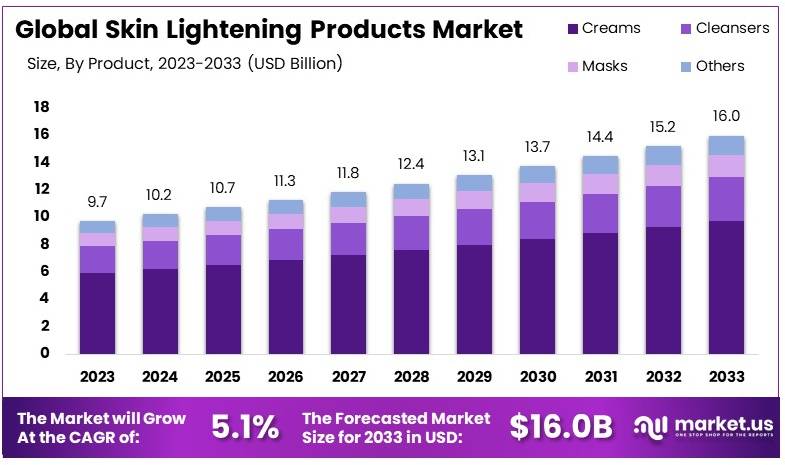
The global skin-lightening industry was worth USD 9.7 billion in 2023 and is expected to reach USD 16 billion by 2033. As sought-after as skin lightening is, some of the chemicals used for it are highly toxic.
In 2019, the CDC reported the first case of mercury poisoning in 50 years caused by a skin-lightening cream! The California woman had been using a skin-lightening cream purchased from Mexico for seven years. Analysis revealed that the cream contained extremely high levels of mercury. Despite treatment, the woman is ‘unable to verbalize or care for herself, requiring an ongoing feeding tube for nutritional support.’