Picking out pregnancy-safe skincare can seem complicated. I have an entire page on pregnancy beauty, dedicated to which skincare ingredients to avoid during pregnancy, breastfeeding, or IVF.
Today is about the increasingly popular CBD and its safety profile during pregnancy and lactation.
From being used in mocktails as a pregnancy and nursing-safe alternative to wine, to an anxiolytic and an elixir for sleepless nights in pregnancy, from bath bombs to acne treatment for pregnant or nursing women, and a natural remedy for pregnancy nausea, CBD-based products are getting increasingly popular in the pregnancy and nursing health and wellness world.
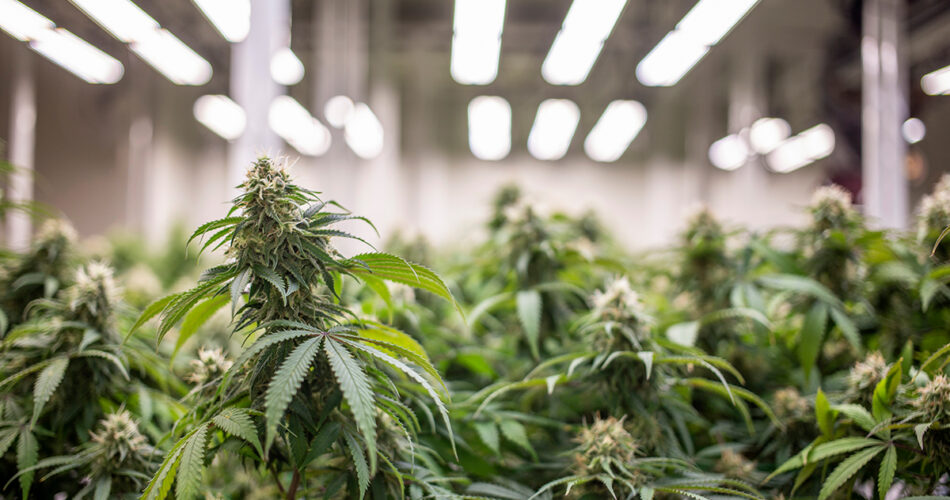
CBD originates from Cannabis, which is used as a recreational drug, and this brings to mind the question, is CBD safe during pregnancy? Can you use CBD while pregnant?
Quick Navigation
Hemp, marijuana, cannabis, CBD, and THC.
- Both hemp and marijuana are types of cannabis plants.
- CBD (cannabidiol) and THC (tetrahydrocannabinol) are chemical compounds that are found in cannabis.
- THC is the compound that produces the ‘high.’
- CBD, in isolation, does not produce a high or any intoxication.
- Marijuana has more THC and a small amount of CBD.
- Hemp has more CBD and a small amount of THC.
What do we currently know about its safety in pregnancy and nursing?
Not much! There are, of course, no experimental studies on pregnant or nursing women to see how CBD will affect them, the developing fetus, or the nursing baby.
There are animal studies on the oral use of CBD, one of which showed that high CBD doses in experimental mice disrupted normal testicular functions of sperm and hormone production in the developing male fetus.
In addition, some amounts of CBD can be ingested by the baby through breast milk as animal studies have shown cannabinoids (both CDB and THC) accumulate in mouse breast milk.
How much of topically applied CBD reaches the developing baby or passes into the breast milk is yet to be determined, but there are enough concerns from the currently available data on oral use for the FDA to ‘strongly advise against the use of cannabidiol (CBD), tetrahydrocannabinol (THC), and marijuana in any form during pregnancy or while breastfeeding.’
Here is a link to the FDA consumer advisory:
FDA- What you should know about using cannabis, including CBD, when pregnant or breastfeeding.
Why is it risky to use?
Despite its purported effectiveness and increasing popularity, CBD during pregnancy and nursing, whether in oral or topical form, as used in skincare products, is not recommended.
Using any new skincare product during pregnancy requires judgment based on the risk-benefit ratio.
While it is true that we do not have evidence that using CBD products is harmful during pregnancy, we also do not have evidence that it is safe.
The purported benefits of using them during pregnancy (reduced acne inflammation, improved skin hydration, etc.) can be obtained from other pregnancy-safe skincare products.
While one may argue that most concern centers on oral forms of CBD rather than skincare, given that skin absorption is minimal, it is paramount to recognize that the landscape of CBD use remains relatively new and is poorly understood.
Don’t forget that retinoids (available both in oral and topical forms) are also applied to the skin and are contraindicated in pregnancy due to their teratogenic potential. We do not know yet if CBD will go the same way, but there are enough concerns for the FDA to declare that it should not be used in any form during pregnancy and breastfeeding.
CBD contamination – a pressing concern.
A large portion of the cannabinoids market is unregulated and is vulnerable to contamination with THC, which is the chemical associated with marijuana.
A 2020 study by the FDA found that 49% of the CBD tested contained THC!
CBD has also been contaminated with pesticides, heavy metals, bacteria, and fungi.
You do not want any of these contaminants anywhere near your baby!
Takeaway
Is CBD safe in pregnancy?
As of now, despite a lack of clear evidence if CBD is safe or unsafe to use in any form, including topically in skincare, while pregnant or nursing, the consensus is to prioritize safety in such situations when the outcome extends to the baby.
The FDA clearly states that ‘FDA strongly advises against the use of cannabidiol (CBD), tetrahydrocannabinol (THC), and marijuana in any form during pregnancy or while breastfeeding.’
Trivia

Source: artsy.net
Bhang, a cannabis edible often infused with spices and nuts, is commonly consumed during Holi, the festival of colors, when it is socially acceptable, widely available, and joyfully savored.