
Picking out pregnancy-safe skincare can seem complicated. I have an entire page on pregnancy beauty, dedicated to which skincare ingredients to avoid during pregnancy, breastfeeding, or IVF.
Today is about pregnancy-safe mosquito repellants.
With summer in full swing, it is a time to explore the outdoors. It is also when mosquitoes are at their peak.
The market is flooded with repellents, and if you are expecting, you may be wondering which are pregnancy-safe.
Here is information on the best mosquito repellent for pregnancy and tips on protecting yourself from mosquito bites as an expectant mom.
Quick Navigation
EPA-approved pregnancy-safe repellents.
The United States Environmental Protection Agency’s mission is to ‘protect human health and the environment.’ To this end, the EPA has a list of effective pregnancy-safe insect repellents. The CDC also follows the EPA guidelines.
These repellents are:
- DEET or N, N-diethyl-meta-toluamide
- Picardin
- IR3535 3-[N-Butyl-N-acetyl]-amino propionic acid, ethyl ester)
- Oil of Lemon Eucalyptus (OLE)
- Para-menthane-diol (PMD), a lab-made form of the compound found in the oil of lemon eucalyptus
- 2-undecanone, a chemical found in plants like bananas, cloves, and ginger
* All of these are safe to apply directly on intact, unbroken skin.
* OLE is a naturally derived active ingredient from the lemon eucalyptus plant. It is not the same as pure essential oil of lemon eucalyptus, which is not recommended as a repellent.
* Other natural chemicals, such as citronella, cedar, peppermint, and geranium oil, or devices and wearables like wrist bands, cloth stick-ons, ultrasonic devices, and moisturizers that are not EPA-approved, might not work as desired. These are not recommended for use in areas where disease transmission by mosquitoes can occur.
What are the other options besides these repellents?
Certain foods, such as garlic, are said to protect against mosquito bites, but no scientific evidence supports these claims.
2-undecanone, an EPA-approved repellent, is a chemical found in and extracted from plants such as bananas, cloves, and ginger. These foods are also said to protect against insect bites, but we do not know how much of them needs to be ingested or applied, and if they are even effective in that form.
Besides the use of EPA-approved repellents, there are some additional steps that you can take:
- Avoid going outdoors during peak mosquito activity, typically dusk and dawn.
- Wear long-sleeved shirts and full-length pants to reduce the area of exposed skin for mosquitoes.
- Check your doors and windows to ensure they are securely fastened and fitted with tight screens and no holes.
- Sleep under a mosquito net when outdoors (e.g., camping) or indoors when screened rooms are unavailable. Remember that some mosquitoes can live indoors and bite during the day.
- Look around for mosquito breeding grounds. Drain any water-holding items in your yard, such as pools or bird baths, weekly.
- If you have an ornamental pool, mosquitofish can eat mosquito larvae, helping prevent the pool from becoming a breeding ground. You can request these fish from your local mosquito control agency.
Click here for the National Pesticide Information Center to find your local mosquito control agency.
Alternatively, you can buy these fish from Petco.
Safe ways to use insect repellents while pregnant.
- Use only when needed.
- Always use EPA-registered products.
- Follow the instructions on the label.
- Apply as needed, especially after sweating or swimming.
- Apply repellent to clothing rather than skin to reduce exposure.
- Never apply to cuts or irritated skin.
- If applying directly to the skin, do not apply to areas that will be covered with clothing.
- Avoid applying or spraying directly to the face. Spray or apply it to your hands, then gently apply it to your face.
- Avoid inhaling the repellent when using a spray.
- If using sunscreen, apply the repellent after the sunscreen.
- Wash your hands after applying the repellent to avoid swallowing it inadvertently,
- Do not use sprays in enclosed areas.
- Do not use sprays near food.
- Always use physical protection methods, like long-sleeved clothes and full-length pants.
Can insect repellents cause miscarriage, premature birth, or birth defects?
A recent study done on worms linked DEET to aberrations in cell divisions, which can lead to miscarriage, stillbirth, and genetic abnormalities like Down syndrome. However, we do not know how this study on worms will translate to humans.
No human studies have been done to determine if exposure to these commonly used insect repellents causes miscarriage, premature birth, or birth defects.
So far, there is no evidence that these EPA-approved repellents cause adverse effects on pregnancy.
What we do know is that these EPA-recommended compounds are pregnancy-safe insect repellents with a longstanding track record of safety and efficacy, and that the benefits far outweigh any risks.
Resources
- Avoid Bug Bites- CDC
- West Nile & Pregnancy- CDC
- Zika & Pregnancy- CDC
- Mother to Baby: Insect Repellants- National Library of Medicine
- Local mosquito control agency finder tool
- EPA search tool to find the right EPA-registered repellent brand for you
Trivia
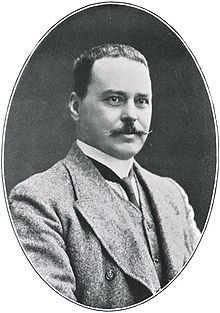
Mosquitos are responsible not just for a myriad of diseases but also for a Nobel Prize being awarded.
Sir Ronald Ross (1857 -1931), a British Army Surgeon stationed in India, was awarded the Nobel Prize for Physiology or Medicine in 1902 for discovering that the female Anopheles mosquito transmits malaria. This discovery laid the foundation for research on methods to combat this disease, which in the 20th century alone claimed 150 to 300 million lives, accounting for 2-5% of all deaths (A Brief History of Malaria).