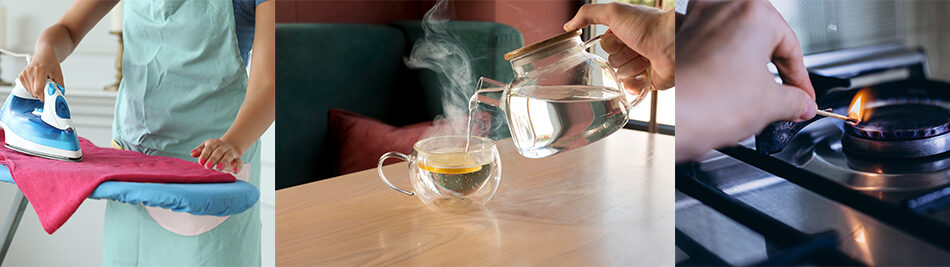
I worked for 6 years in a public tertiary care plastic surgery unit in North India, which also houses one of the largest burn centers in Asia. Burns, major or minor, are unfortunately a common occurrence. Majority of these are minor burns that occur at home and immediate good care contributes not just to patient comfort but also better healing of the burn wound.
Recently, I got a call from a cousin after she sustained a steam burn on her face- she opened a pan of hot, boiling pasta with her face positioned on top of the pan. This is very much a preventable situation!
Today I want briefly discuss first aid for burns at home and address common misconceptions people have about the home management of burns.
This post concerns minor burns in adults that are non-electric, non-smoke inhalation in nature, i.e., minor burns due to fire or scalding by hot liquids or objects.
Always get in touch with a qualified professional in case of a burn injury. This post is only a general guide to get you started before you meet your practitioner.
Quick Navigation
First Aid Steps
First, stop the process.
Remove the heat source. Move away from the source (e.g., hot water) or douse the flame with water or smother it with a blanket.
(If an individual is actually in flames, instruct the victim to STOP-DROP-ROLL while you help to douse it with water, blanket, or sand.)
Second, cool the burn.
Cool the burn with running tap water. If the burn is on the face, use a clean wet cloth to soothe it.
Third, remove any constricting objects.
For e.g., in hand or arm burns, remove rings or bracelets. There will be some amount of swelling in the area of the burn, and you must remove items like rings or bangles, which can interfere with blood circulation by forming a constricting band.
Fourth, do not burst the blisters.
Blisters indicate that the burns are a little deeper. They act as a barrier, as a protective ‘dressing’ against infection. Do not burst them deliberately.
Fifth, apply a topical agent.
Very superficial burns that only have a flushed or red appearance can be managed with topical aloe vera gel application.
Deeper burns (as indicated by the presence of blisters) should be managed with an antibiotic ointment like Neosporin or silver sulphadiazine, which are available over the counter. It is always wise to use an ointment that has been specifically manufactured for burn wounds as many ointments and creams contain ingredients (e.g.alcohol) that can be irritating to burned skin.
Sixth, always use paraffin for dressing.
You must use a layer of paraffin gauze over the burn area and only then, place the dressing material.
This is how a paraffin gauze looks like:
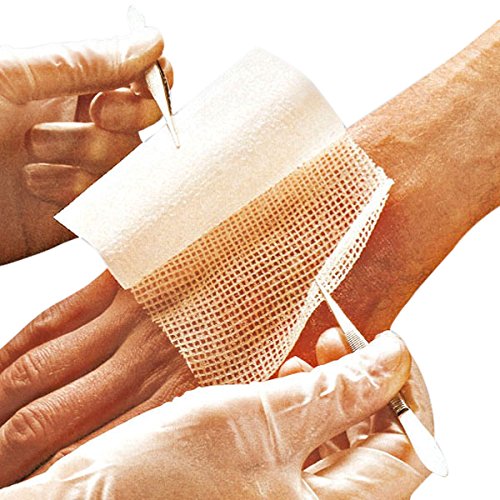
As the name suggests, the gauze is coated with a generous layer of paraffin which keeps the area moist and non-adherent. This helps in wound healing and makes your next dressing less painful.
Fluffy cotton applied directly to a wound gets dried up, and when your dressing is changed, the dried and stiff cotton takes off a layer of your skin when removed, making it much more painful and also interfering with wound healing.
In case no dressing material is available on hand, you use any clean cotton cloth to cover the wound till you can have it dressed.
Important: Do not use any alcohol-based topical agent. Read the ingredient label carefully!
Seventh, take an over-the-counter pain relief medication.
For e.g. ibuprofen (Advil, Motrin IB), naproxen sodium (Aleve), or acetaminophen (Tylenol).
Can I use ice or ice water for my burn pain?
You can roll an ice cube around in your mouth in case of mouth burn due to hot food or drink, but dunking a burned area (e.g., your hand in a bucket of ice) is not recommended as the ice can interfere with the local blood circulation and deepen the extent of the burn.
There have been many case reports of burn injury deepening due to ice application that has resulted in injuries akin to frostbite.
My burn is red like a sunburn. OTC medicines are not helping the pain.
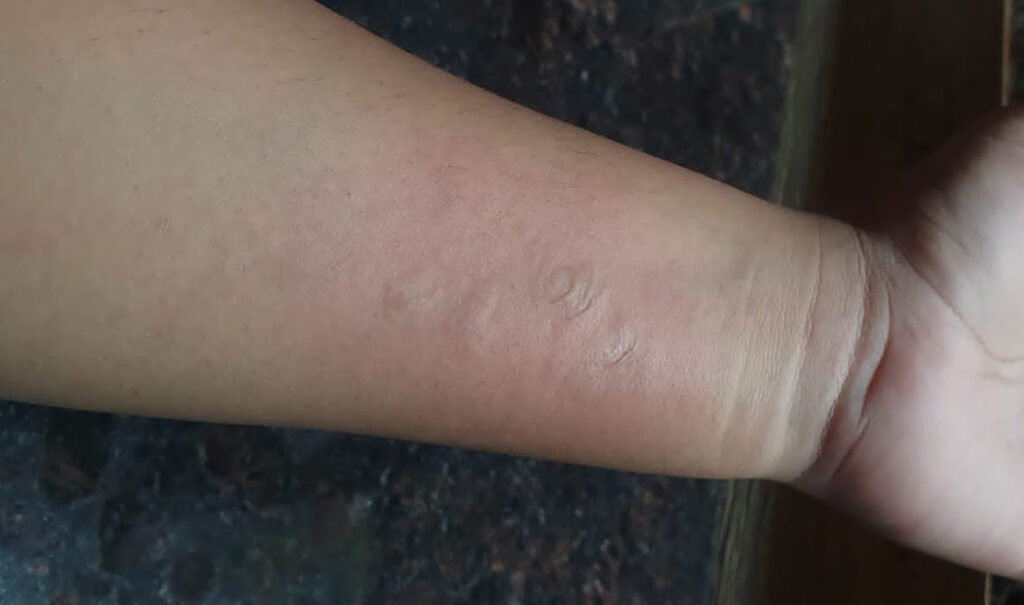
The good news is that this sounds like a superficial burn that will heal in a week without scarring.
The bad news is that it is very painful as the nerve endings of the skin are exposed to the outside elements due to damage to the superficial skin, and thus even air currents can cause pain.
These types of superficial burns may be left open with the application of aloe vera gel.
If OTC medicines have not helped with the pain, apply the dressing described above to the area. The dressing isolates the burn area from external elements and provides some relief.
The pain will gradually subside over time esp when you have used both the OTC medication and the dressing.
If the pain is still not relieved, contact your healthcare provider for stronger analgesics.
Can I use toothpaste / ink / butter / ayurvedic paste/ potato slices / banana leaves / honey / cow dung on my burn wound?
These are actual items that patients have smeared on their burns and presented to the emergency! There are more odd things patients land up in the ER with, but these are the things off my head right now.
Sensitive Content
This photo contains sesitive content which some people may find offensive or disturbing
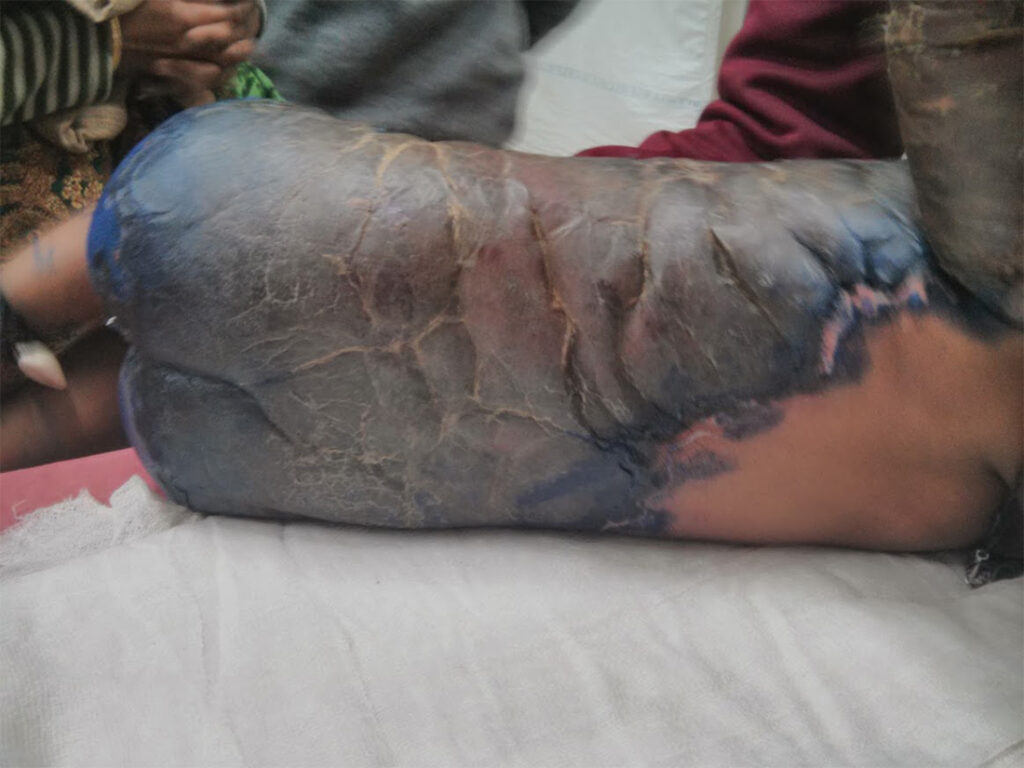
To put it clearly, none of these should be used.
Of these, the most ‘popular’ is toothpaste. This is not just unhygienic (keeps touching the brush head, stored in humid conditions) but also contains ingredients (e.g.mint, alcohol) that irritate the burned skin.
Butter, another popular agent, causes more harm than good as it retains heat in the burned area and is often contaminated with bacteria.
To be fair to potatoes and honey, there have been studies conducted that have shown a beneficial effect. However, this has been done in a controlled medical setting under ideal experimental conditions, which cannot be replicated at home. These methods are not FDA-approved and are not recommended outside such experimental settings.
Any queries about burns? Fill out the contact us form or simply leave a comment in the comments section, and we will get back to you at the earliest.
Trivia
The one place where butter is used in burns?
Coaltar burns.
If medical-grade paraffin is not available, butter is often an easily available and economical option to remove the tar for patient comfort and assessment of the burn depth.