
Eighty-five percent of scald burns occur at home. An overwhelming 95% of burns in <5 years of age occur at home!
Burns in adults above the age of 60 years frequently lead to loss of independence and to reliance on nursing care.
Burns happen unexpectedly, and as daunting as this statistic above sounds, fortunately, most of the burn incidences at home are easy to prevent with basic precautionary measures.
Quick Navigation
Burn statistics in brief.
On average, in the USA, in 2021:
- A fire department responded to a fire somewhere every 21 seconds.
- Every 2.18 hours, a civilian was fatally injured in a fire.
- Every 36 minutes, a civilian suffered a non-fatal fire injury.
- These fires caused $15.9 billion in property damage.
- Home fires caused seventy-five percent of all fire deaths.
Click here to read the complete report.
What are the various types of burns?
Burn is an injury that leads to tissue destruction due to energy transfer.
This can be from:
Heat (flame, hot liquids)- e.g., burn from a fireplace or gas stove.
Inhalational injuries- e.g., smoke from fire or gases.
Radiation– e.g., sunburn, burns from medical radiation used in cancer treatment.
Friction or rub burn- e.g., road accidents when the skin comes in contact with the abrasive road and the injured is dragged at speed.
Chemical– e.g., burn from concentrated bleach at home.
Electrical– e.g., an exposed cord of a plugged electrical appliance coming in contact with the body.
What age groups are at risk of burn injury at home?
Anyone can get a burn.
However, it has been seen that the elderly, infants, and toddlers less than 3 years of age are at particular risk.
The elderly often tend to have limited mobility, which, combined with slower reflexes and the inability to remove themselves from the fire source and reach safety rapidly, makes them more vulnerable to fire injuries.
Many elderly also suffer from co-morbid health conditions like diabetes, which makes even minor wounds difficult to heal.
In the case of children, their cognitive and motor skills are not fully developed, needing adult supervision for danger avoidance. Children are also unable to self-rescue.
Scalding is a leading cause of burns in children, and it is the responsibility of the caretakers to ensure that the children do not find themselves in a situation that can lead to burns.
Furthermore, the elderly and children have thinner skin, resulting in deeper burns even with lower temperatures or shorter duration of contact.
How can I prevent burns?
Most burns are accidental, so it is important to be aware and be careful of scenarios that can result in burns, especially when it comes to the vulnerable age group of children and the elderly.
Some of the safeguard measures, but not limited to, are:
Bathroom Safety
- Set the water heater’s temperature to a maximum of 120°F or 48°C.
- Always test the bathwater temperature for all age groups.
- If using an immersion rod for heating water, ensure children cannot access that area.
- Never leave a child alone near water faucets with a hot water supply.
- Never leave curling or straightening iron rods on surfaces your toddler can reach out to.
Kitchen safety
- Never wear full sleeves or flowy clothes while cooking.
- When frying, use a pan lid to avoid oil splatter.
- Do not use a microwave to warm bottles for babies. Microwaves heat unevenly, and the liquid may scald the child’s mouth.
- Never leave children alone in the kitchen.
- Teach them that the kitchen is a ‘danger zone’ when someone is cooking, and they should not enter.
- Never leave hot beverages within reach of the child.
- Always first use the back burners of the stove with the handles of the cooking utensil away from the stove or countertop edge.
- Never hold or cradle a child when cooking or working with hot objects.
- Store matches, lighters, or any chemicals safely.
- When opening the lid of a boiling pot, lean away and open away from you- many cases of steam burns to the face have happened inadvertently.
- Don’t forget to use oven mitts!
Others
- Always have a fire extinguisher handy and be trained to use it.
- When outdoors, ensure adequate sun protection.
- Never leave electrical cords hanging from countertops, and replace any exposed cord.
- If you have a fireplace, place a safety barrier in front of it.
- Conduct a monthly check of the house’s smoke detectors and carbon monoxide alarms.
What first aid can I do at home for burns? - Use an outlet cover on any outlet that is accessible to children.
- Do not overload power outlets.
- Never smoke in bed.
- Never leave burning candles, space heaters, or a fireplace unattended. Always keep space heaters at least 3 feet away from curtains, sheets, or anything inflammable.
- In case of a fire with smoke, stay low to the ground. Smoke and heat rise up. Staying closer to the ground makes it easier to breathe.
- If you are on fire, ‘STOP DROP ROLL’ yourself on the ground.
First aid at home
In a previous blog post, I discussed the appropriate immediate home care in acute burns: Burns First Aid At Home.
To sum up:
- Move away / extinguish the source of heat.
- Never use ice/ice cold water on the burn wound, as it can increase the burn depth.
- Remove any jewelry or tight clothing.
- Use only ointments that are manufactured for burn wounds, and never use things like butter, toothpaste, ink, etc.
- Use correct dressing techniques.
When should I go to the doctor?
Some burns can be safely treated at home, e.g., minor oil or hot water splatters on the arm one sustains while cooking.
However, it is always prudent to seek medical help in most of the burn cases, especially in cases of:
Electrical burns.
Burns in concerning areas like the face, genitalia, and joints.
Burn area larger than the open palm of the patient’s hand.
Burns in the elderly, esp if associated with comorbid conditions like diabetes.
Burns in children.
Burns that do not heal in 2 weeks.
Deep burns and burns with blistering.
To know more about assessing the depth of your burns, read: What Are The Different Degrees of Burns- Burn Classification.
Trivia
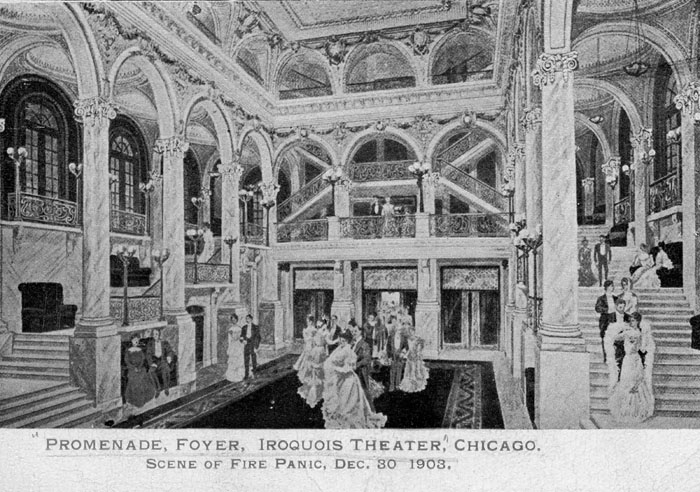
The Iroquois Theatre Fire of Chicago on December 30, 1903, ranks as the deadliest single-building fire in the history of US. With a building that saw huge crowds regularly but with no sprinkler or fire alarm system, combustible wood furnishing, ill-marked exits, and non-functioning fire extinguishers, the theatre was a disaster waiting to happen.
The fire lasted only 20 minutes but took 602 lives in its wake.
This tragedy was a lesson and would lead to the formation of many of the building and fire codes that are used today.