
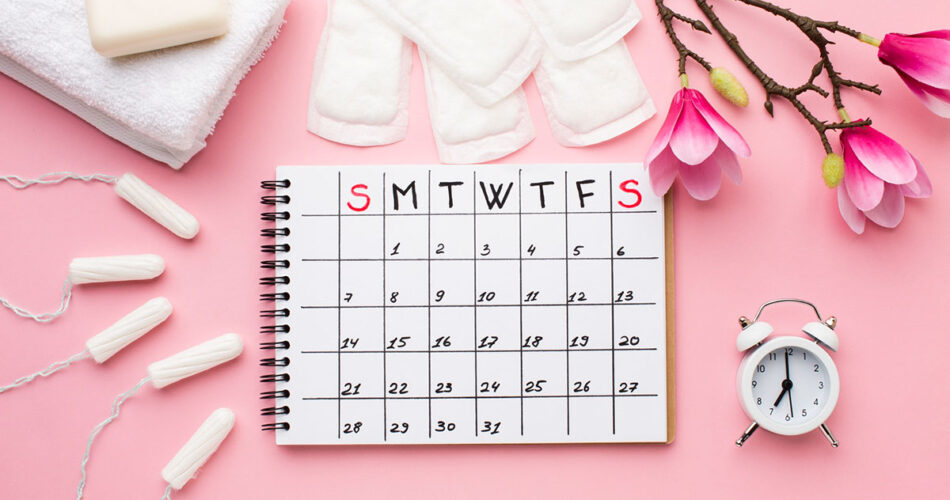
According to WHO, every month, 1.8 million people worldwide menstruate.
Good menstrual hygiene is essential for your health and dignity.
It also is important for personal confidence and mobility.
Many are unaware that poor hygiene during menstruation can lead to infections that can impact long-term reproductive health.
Unfortunately, many girls continue to suffer from poor practices even as they enter womanhood.
Quick Navigation
- How frequently should I change my pad / tampon / menstrual cup?
- Can menstrual cups cause toxic shock syndrome?
- Can I sleep overnight with my tampon?
- Can I use medicated or fragrant products to dampen the period smell?
- Why am I getting rashes down there during my period?
- How do I stay clean ‘down-under’?
- Can I flush my tampon or pad in the toilet?
- Can I have sex during my periods?
- Should I track my periods?
- What is a ‘period panty’.
- Takeaway.
How frequently should I change my pad/tampon/ menstrual cup?
The standard advice is to change tampons and pads every 4 to 8 hours and the menstrual cup to be emptied at least every 12 hours. This is in line with the recommendation given by The American College of Obstetricians and Gynecologists (ACOG).
However, depending on your flow, especially in the younger age group and the initial days of your period, you might have to change more frequently.
Under no circumstance should you use the same hygiene device for more than the recommended duration at a stretch, as then you risk a rare but life-threatening condition known as Toxic Shock Syndrome (TSS) due to toxins produced by bacteria that can get into your bloodstream and cause multi-organ failure.
Let your flow guide the change frequency but refrain from using superabsorbent pads or tampons as they positively correlate with TSS.
Can menstrual cups cause toxic shock syndrome?
It was initially believed that menstrual cups do not cause TSS. However, over the years, as more women are switching to cups, more cases have been reported after the first case was reported in 2015.
So, yes, menstrual cups can cause TSS.
The following could be possible causes:
i) Trauma to the vagina during insertion.
ii) Accumulation of blood in the cup that provides a source of food for the bacteria.
iii) Improper sterilization before each use.
However, there is no need to panic.
Toxic Shock Syndrome is still a rare condition. You are safe if you follow basic guidelines (use clean hands to insert atraumatically and use a water-based lubricant as required, empty as recommended, proper sterilization and storage, etc.)
Can I sleep overnight with my tampon?
In most cases, yes.
The concern with keeping a tampon in for long hours is toxic shock syndrome.
Tampon manufacturers have typically stopped using certain materials like polyester foam and carboxymethyl cellulose that increase the risk of TSS, thus reducing the chances.
Always insert a fresh tampon just before you hit the bed and change it the first thing when you get up in the morning.
Do not use a highly absorbent tampon, as you might be tempted to keep it in for long on low-flow days.
However, a pad is safer if you sleep long or cannot change the tampon frequently.
Can I use medicated or fragrant products to dampen the period smell?
A healthy period will have a ‘bloody’ or metallic smell to it, and it is nothing to worry about. It is normal and not noticeable to others.
You can control such odors to a certain extent by frequently changing your feminine hygiene product.
However, never use fragranced pads, tampons, toilet paper, or a hygiene wipe.
These only have a fleeting effect and can result in rashes and irritation. There is no need to expose your body to unnecessary and often toxic chemicals.
However, in case of any doubts that what you are experiencing is not a normal period odor, consult your treating physician.
Why am I getting rashes down there during my period?
A period rash means that something is irritating your sensitive vulvar skin. Some of these irritants can be:
i) Clothing that is tight between your legs and is not letting the area breathe- synthetic skin tights, for, eg.
ii) Friction. A large pad can cause the pad to move back and forth, causing a friction rash.
ii) Using the pad/tampon/cup for too long. An oversoaked device that is not absorbing should be changed. Otherwise, the trapped moisture acts as an irritant.
ii) Allergy to the device that you are using. If using a pad or tampon, try to use one that is free of plastic, added fragrance, or added chemicals like dioxin. If you have a latex allergy, switch to a silicone cup. Try a different brand of hygiene product and see if that works better for you.
iv) Using irritant intimate wipes or soaps that contain alcohol, disinfectants, and fragrance.
These can cause severe skin irritation and only result in exposure to chemicals.
How do I stay clean ‘down-under’?
Most important, no douches! Ever.( Irrespective of whether you have a period or not.)
It has no cleansing effect and rather flushes out many intrinsic bacteria and yeast that are essential to your vaginal health.
The American College of Obstetrics and Gynecologists (ACOG) cites douching as one of the causes of pelvic infections.
Normal washing twice a day with warm water suffices. You can use your normal bathing bar or gel that you use daily but do not buy special medicated products. These are not only non-essential but can be harsh and change the normal flora of your vagina, predisposing you to infection.
Change your underwear daily and more than once if it gets stained with blood.
Take a warm shower every day.
Practice hand hygiene: Before changing your pad/tampon/cup, always wash your hands thoroughly with soap and water. Your hands have been everywhere and touched all kinds of surfaces.
Sanitary products may come in contact with the anal area. To avoid transmitting any bacteria on the hygiene product to the body via your hands, wash your hands after changing a menstrual product.
Can I flush my tampon or pad in the toilet?
Never flush your pad or tampon down the toilet.
It can block the outflow of the toilet, resulting in sewage backflow, which is not only a health hazard but also expensive to repair.
Instead, it should be wrapped properly in the paper and disposed of in the bin.
Can I have sex during my periods?
Yes.
Having sex during your period is safe. It is all about personal choice. Medically speaking, periods are not a contraindication to sex.
However, it is recommended to use a condom as sex during periods can increase the risk of infection transmission. The cervix is slightly dilated at this time and can lead to easier ingress or egress of bodily fluids that might have viruses and bacteria.
Should I track my periods?
Yes!
Keeping track of your periods is an easy and smart thing to do.
Your cycles can be a marker of your health. Many health conditions like thyroid dysfunction and diabetes can have irregular periods as one of their symptoms.
Mood changes are common phenomena, and tracking your cycle lets you know the days it affects you so that you can manage it more effectively.
If you are planning to start a family, it will help track your fertile days.
You can choose to keep a menstrual diary or even use one of the many apps available across all platforms to keep track of your cycle.
What is a ‘period panty’.
These are panties that you wear during your periods and are recommended if the anxiety of blood leaking through your clothes hinders your activity or choices.
Period panties are worn in place of your daily panty and along with the pad/tampon/ cup.
They have a leakproof crotch lining that prevents front and back staining.
They come in various colors and styles, like bikinis, briefs, hipsters, etc., just like the usual panties.
This is only protective underwear and will not absorb your menses and, thus, is not a replacement for your pad/tampon/cup.
A quick internet search will reveal many brand options for you.
Takeaway
- Change your pads and tampons every 4 to 8 hours, and empty your menstrual cup at least every 12 hours.
- Toxic shock syndrome is seen with tampons, pads, and menstrual cups we well.
- You can sleep with your tampon overnight but change it just before bed and remove it as soon as you wake up. In certain circumstances, consider using a pad instead.
- Never use any fragrant soap/wipes/lotions to dampen the period smell or as a part of period hygiene.
- Never flush your tampon or pad down the toilet.
- Avoid unprotected sex during periods.
- Consider tracking your period or using a period panty to make your periods more manageable.