

Hydration. Hydration. Hydration. You could drown in the information available and still be parched.
In previous posts, we tackled the following:
- How much water to drink in a day?
- Water requirements for the elderly.
- How much is too much and can cause water intoxication?
Now, let us dive deeper and tackle if alcohol counts in daily fluid intake?
Quick Navigation
Water in OH
Water content in alcohol is different based on the formulation– beer can be anywhere from 85 – 98% (5 to 2% OH), wine 80 – 90% (20-10% OH), vodka 60% (40% OH), etc
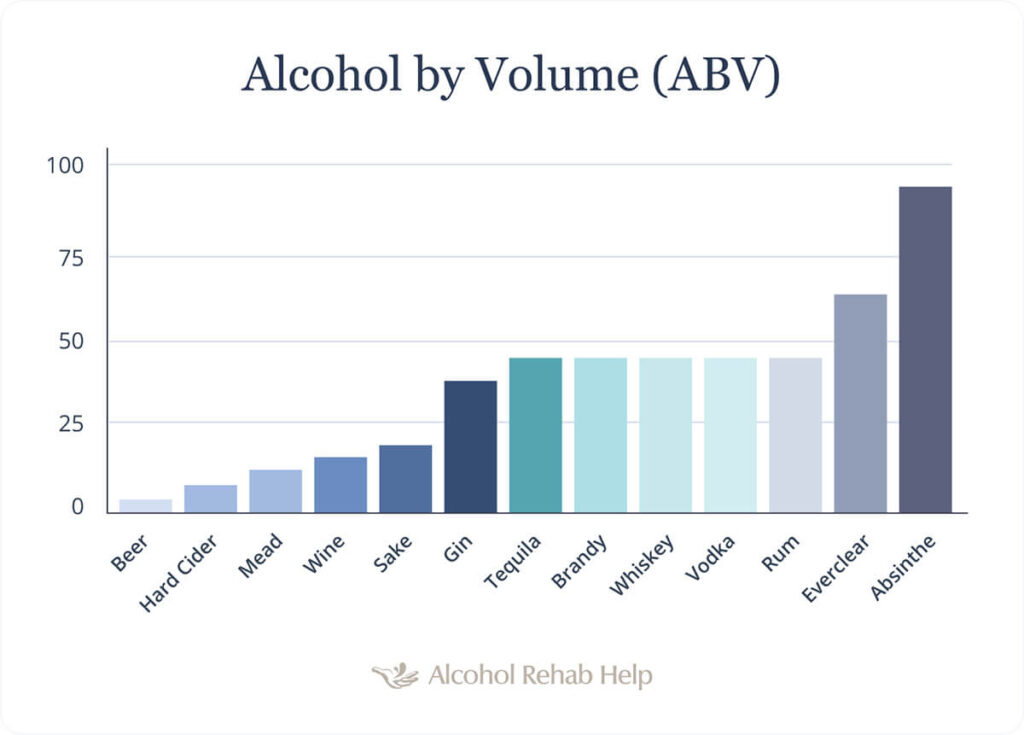
ABV or Alcohol by Volume is a standard volume of ethanol in a given beverage expressed as a volume percent.
Let us presume you drink 100ml of 2% beer and, thus, have consumed 98ml of water. Does this count in your daily fluid intake? Or what if the 100ml beer has 5% OH? This 95ml of water still sounds good, right?
No. The beverage may have more water than alcohol by volume but the net effect is one of fluid loss.
How does OH cause fluid loss?
Numerous studies have proven beyond doubt the effect of alcohol on ADH (Antidiuretic hormone or Vasopressin). The hormone ADH, as the name suggests, is anti-diuresis and makes the body conserve water by reducing urine output. Alcohol has an inhibitory effect on this hormone, thus promoting more urination and, thus, water loss.
(This dehydration has been attributed to causing the typical hangover one experiences after a ‘fun’ night of drinking.)
So, even though the beer you are drinking is mostly water volume for volume, that bit of alcohol percentage is of enough potency to cause water loss and, thus, dehydrate you.
Studies with ‘Odd’ results
This topic will be incomplete without a mention of some studies that have come up with ‘odd’ results that do not fit with the traditional and more accepted understanding of how alcohol affects the water balance of your body.
Here is what some studies say:
- A small study from 2015 involving 16 males who performed a dehydrating exercise (running) followed by mineral water drunk as desired or up to 660ml of 4.5% beer with mineral water as desired concluded that “after exercise in the heat, and subsequent water losses, the acute intake of a moderate amount of beer (up to 660 ml) has no deleterious effects on markers of hydration neither on indicators of physiological stress recuperation in young healthy, physically active, male individuals.” However, do not miss that in this study, the group that was given alcohol was also allowed to have water.
- A 2016 study on 11 healthy young males had them exercise till mild dehydration (1% body mass loss) followed by consumption of, in random order, non-alcoholic beer (0.0%), low-alcohol beer (2.0%), full-strength beer (5.0%), an isotonic sports drink, and water.
The result? After 1 h, urine production was significantly higher (thus, more fluid loss) for 5% beer compared to the isotonic sports drink. At the end of the 5-h observation period, net fluid balance (NFB) was negative for all, with the poorest fluid retention percentage for 5% beer (21% fluid retention) and the best percentage for the isotonic sports drink (42%). Non-alcoholic beer, low-alcoholic beer, and water resulted in fluid retention of 36, 36, and 34%, respectively. - An interesting study from 2015 found that the addition of salt to light alcohol (2.3% OH) “appears to have a more significant impact on post-exercise fluid retention than small changes in alcohol content.”
However, it is essential to note that none of these studies recommend you start using alcohol in any combination or formulation as a hydration drink, with one study even adding the statement that “high alcohol intake should not be recommended as the physiological and health consequences could be dangerous.”
Furthermore, these studies have been done on a very small sample size of adult, healthy males. So far, there have been no large-scale scientific trials on a cross-section of the population, and the use of alcohol cannot be recommended as a hydrating drink.
If you are looking to hydrate, alcohol should not even be on your list. A refreshing beer on a hot summer day? Of course! A beer to hydrate after any activity involving fluid loss? No way! There is no negotiating this.
Takeaway
- Water is the numero uno calorie-free hydrator, and nothing replaces it.
- As the percentage of alcohol increases, so does its negative effect on your hydration.
- A few small studies have demonstrated a favorable result for certain low percentage alcohol, but these can’t be extrapolated into the out-of-lab general population.
- Alcohol-based beverages cannot be used to rehydrate or count as a part of your daily fluid intake as, despite being primarily water weight for weight, the alcohol in it has a dehydrating effect by increasing diuresis. Furthermore, the health consequences of it cannot be discounted.
Trivia
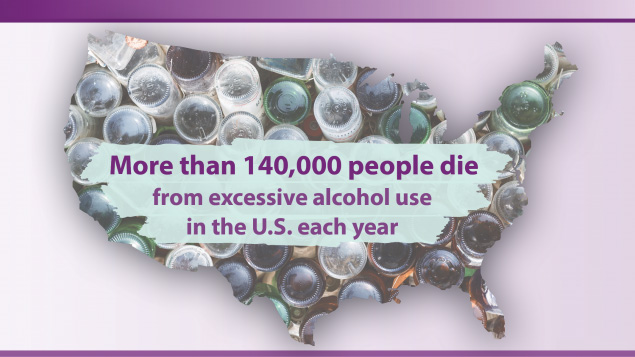
- Excessive alcohol use was responsible for more than 140,000 deaths in the United States each year during 2015–2019, or more than 380 deaths per day.
- Excessive alcohol consumption cost the United States $249 billion in 2010, amounting to about $2.05 per drink or $807 per person.
- Costs primarily resulted from losses in workplace productivity (72% of the total cost), health care expenses (11%), and other costs due to a combination of criminal justice expenses, motor vehicle crashes, and property damage.
- Binge drinking was responsible for about three-quarters (77%) of the cost of excessive alcohol use in all states and DC.
- Federal, state, and local governments paid about $2 of every $5 of the economic costs of excessive alcohol use.
(Source: CDC)